Cryptocurrency Security: Protect Your Assets from Scams, Hacks, and Fake Projects
When you hold cryptocurrency security, the practices and tools that keep your digital assets safe from theft, fraud, and exploitation. Also known as crypto safety, it's not just about using a strong password—it's about knowing which exchanges to trust, which airdrops are real, and how to spot a coin that doesn't exist. Most people think security means a hardware wallet. But the biggest losses don’t come from hackers breaking into wallets—they come from users giving away access themselves.
Take crypto exchange security, the safeguards exchanges use to protect user funds and data. Some platforms, like Bitget, have a $780M protection fund and millions of users. Others, like AIA Exchange or RDAX.io, show zero transparency, no regulatory info, and no user reviews. If you can’t find a single real review or official license, it’s not secure—even if the site looks professional. The same goes for airdrop fraud, fake token distributions designed to steal your private keys or personal info. Projects like ElonTech (ETCH), MMS, and Carboncoin (CARBON) promise free tokens but have zero trading volume, no team, and no real product. They’re not investments—they’re traps.
Then there’s private keys, the secret codes that give you full control over your crypto. No exchange, no app, no customer support can recover them if you lose them. And if you share them—even with someone claiming to be from support—you lose everything. That’s why exchanges like Binance and Kraken don’t ask for your keys. And why Iranian traders using VPNs to bypass sanctions still get flagged: it’s not the VPN that’s risky, it’s trusting platforms that don’t protect your identity or funds.
You’ll find posts here that expose the truth behind fake projects, review real security features on exchanges, and warn you about the latest airdrop scams. You’ll learn why Australia blocks privacy coins not because they’re illegal, but because they make tracking theft impossible. You’ll see why Real USD (USDR) crashed to $0.51—not because of market panic, but because its real estate collateral couldn’t be sold. And you’ll understand why blockchain gaming and sidechains matter: they’re not just tech buzzwords, they’re new attack surfaces that need smarter security.
This isn’t theory. These are real cases. Real losses. Real mistakes people made because they trusted the wrong thing. The posts below show you exactly what to look for—and what to run from—so you don’t become the next headline.
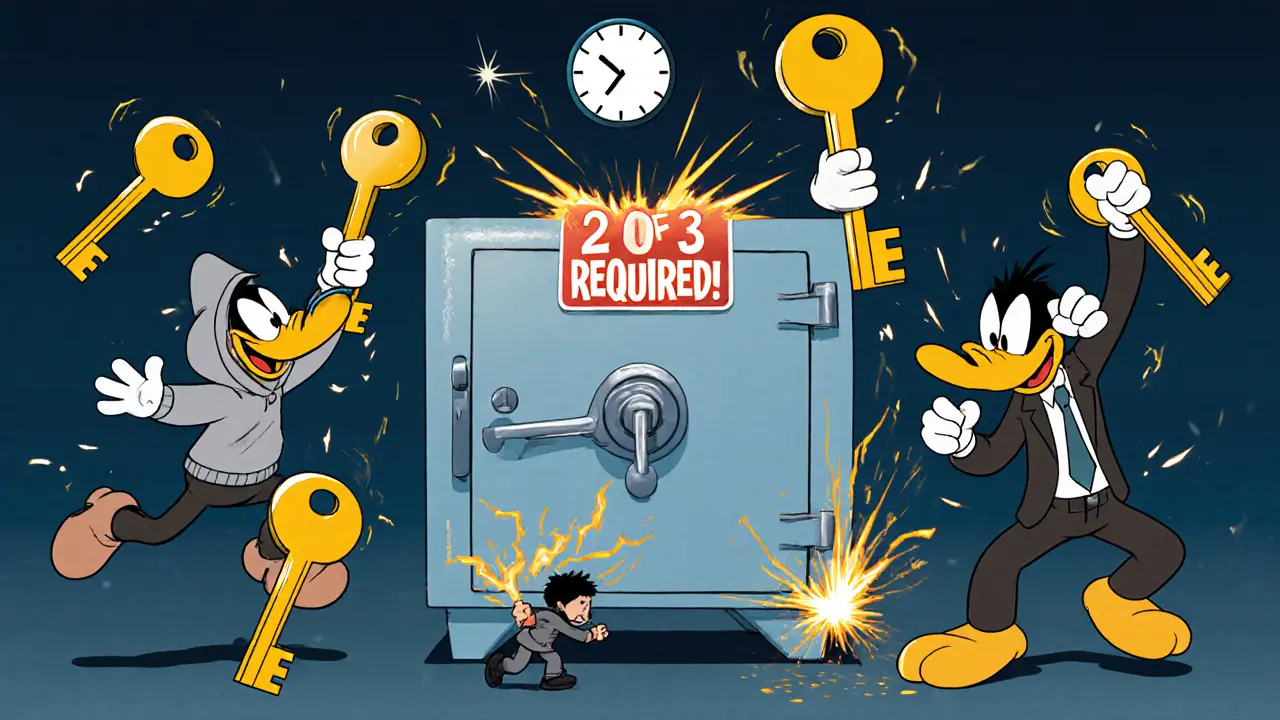
What Are Multi-Signature Crypto Wallets and Why They Matter for Security
Multi-signature crypto wallets require multiple approvals to move funds, making them far more secure than single-key wallets. Used by institutions, DAOs, and serious holders, they prevent theft and internal fraud-but come with added complexity.