Play-to-Earn Crypto: What It Really Is and Why Most Projects Fail
When you hear play-to-earn, a model where players earn cryptocurrency by playing digital games. Also known as P2E, it combines gaming with financial incentives. It sounds simple: play a game, get paid in crypto. But in practice, most play-to-earn projects collapse within months. They lure users with promises of quick cash, then vanish when the token price crashes or the game loses its last player. The idea isn’t wrong—it’s just been abused by people who care more about selling tokens than building fun, lasting games.
Real play-to-earn isn’t just about grinding for tokens. It needs a working economy, real players, and a reason to keep playing beyond the payout. Projects like Axie Infinity showed it could work—at first. But when the token supply exploded and player rewards outpaced demand, the whole system collapsed. Now, most new play-to-earn games are just rebranded Ponzi schemes. They copy the look of a real game, add a token, and push it on social media. No one plays. No one stays. The only ones making money are the creators who cashed out early.
What separates the few working projects from the rest? They focus on gameplay first. The crypto is a side effect, not the main event. They have active communities, clear token use cases inside the game, and sustainable reward systems. Look for games where you’d play even if the token dropped to zero. If you wouldn’t, it’s probably a scam. Also, watch for projects with no trading volume, no team transparency, or tokens listed only on obscure exchanges. These are red flags that scream "exit scam."
Some of the posts below dive into exactly this: fake crypto games like LakeViewMeta and Carboncoin that promised big returns but delivered nothing. Others show how real platforms like Bitget and DogeSwap are used by players to trade these tokens—sometimes successfully, often not. You’ll also find warnings about fake airdrops tied to play-to-earn games, like MMS and ElonTech, which don’t exist but still trick people into giving away private keys. This collection isn’t about hype. It’s about cutting through the noise to find what’s real, what’s broken, and what to avoid at all costs.
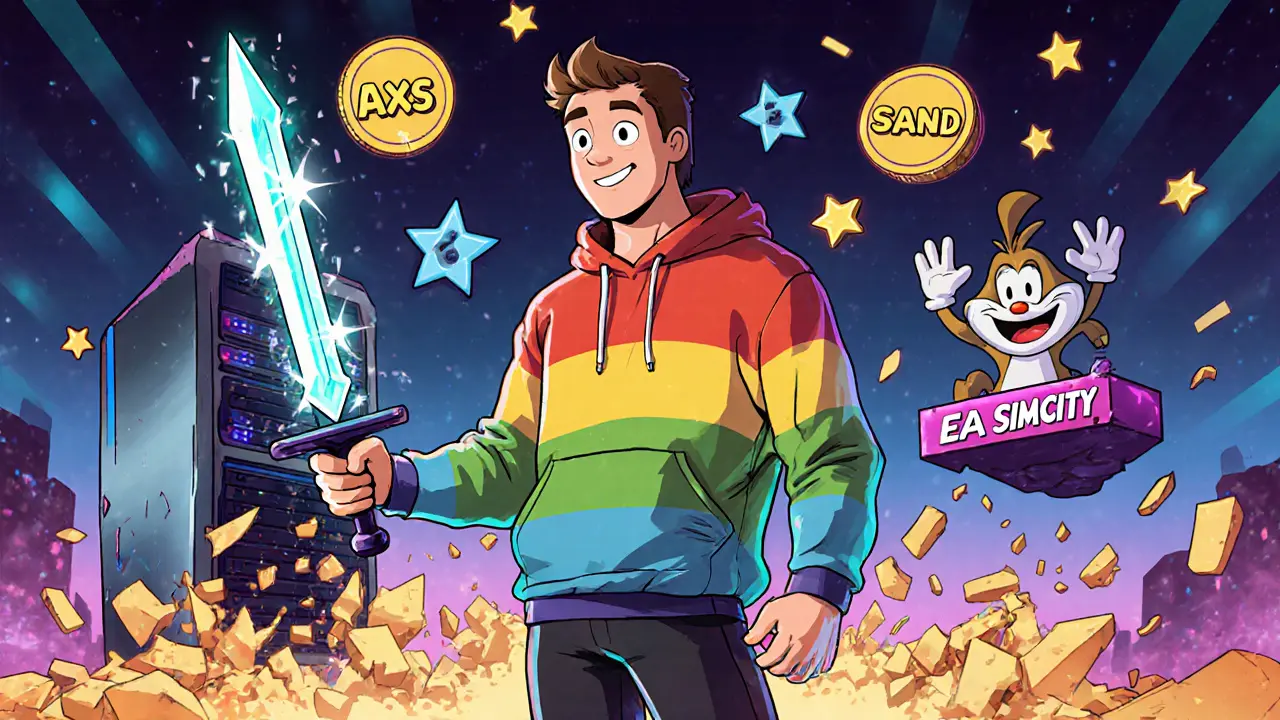
Blockchain Gaming Revolution Explained: How Web3 Is Changing Game Ownership and Play-to-Earn
Blockchain gaming lets players truly own in-game items as NFTs and earn real money through play-to-earn models. Learn how it works, why it's different from traditional games, and what to watch out for.