Zoomex Crypto Exchange Review: Is This AI-Powered Platform Worth Your Trust?
 Sep, 19 2026
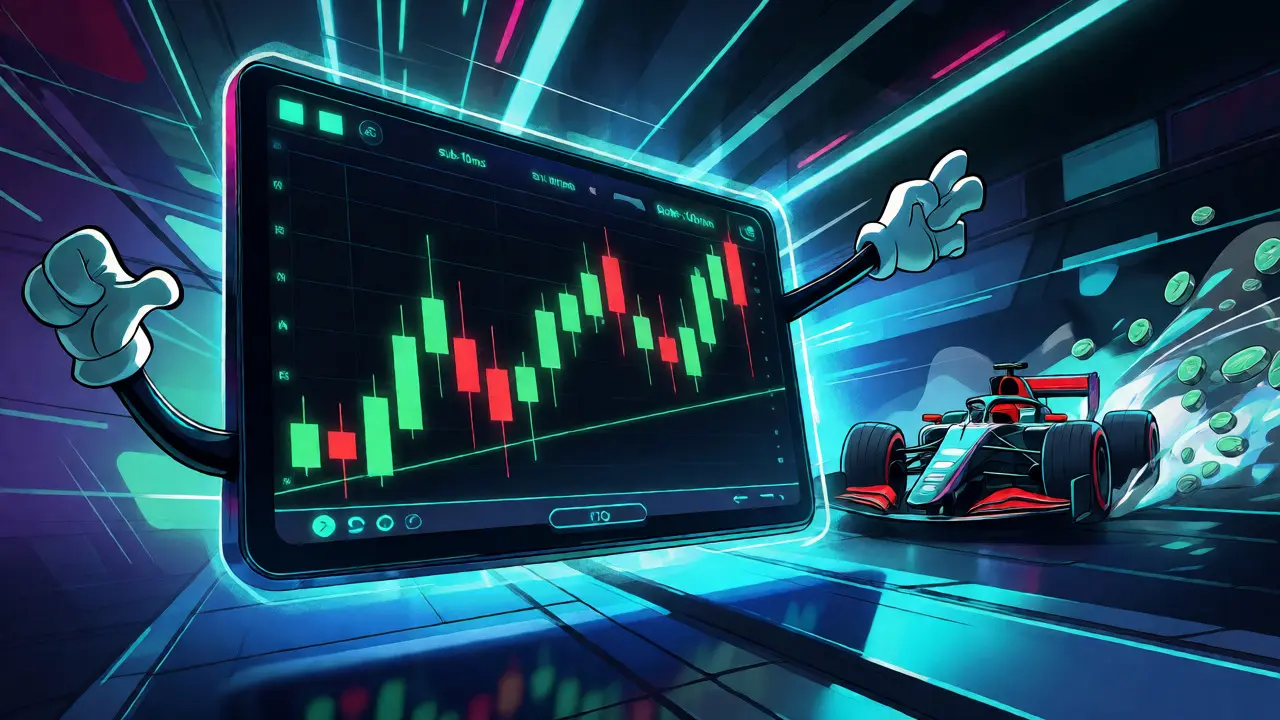
You see the ads. A sleek interface, promises of sub-10ms latency, and a partnership with the Haas F1 Team. It sounds like the next big thing in Zoomex is a global cryptocurrency trading platform founded in 2021 that positions itself as an AI-powered exchange offering spot and derivatives trading.. But here is the kicker: when you try to find independent user reviews on Trustpilot or Reddit, you hit a wall. Silence. That silence is louder than any marketing slogan.
If you are thinking about moving your funds to this new player, you need to look past the Formula 1 branding. As someone who has watched dozens of exchanges rise and fall in Wellington’s volatile market circles, I know that flashy partnerships don’t always equal solid infrastructure. This review digs into what Zoomex actually offers, where the red flags are hiding, and whether it fits your trading style in 2026.
What Exactly Is Zoomex?
Zoomex operates as a centralized exchange focusing heavily on derivatives. Unlike some platforms that started with simple Bitcoin buying, Zoomex launched in 2021 with a clear focus on high-speed trading. The team claims to be led by core members from top-tier exchanges, aiming to leverage AI for better price discovery and execution speed.
The platform supports over 300 perpetual contracts. If you are a day trader, you know liquidity and speed are everything. Zoomex boasts a total interface latency of less than 10 milliseconds. In theory, this means your orders execute almost instantly, reducing slippage during those crazy market swings. They also offer spot trading, which is great if you just want to buy and hold assets without the complexity of leverage.
But let’s talk about the elephant in the room. While they claim 2 million registered users across more than 30 nations, there is a distinct lack of third-party verification for these numbers. You won’t find deep-dive analyses from major crypto news outlets or aggregated user sentiment scores. This isn’t necessarily bad-it could mean they are still growing-but it does mean you are flying blind compared to using established giants like Binance or Kraken.
Trading Features and Tools
For active traders, the feature set matters more than the logo. Zoomex provides a suite of tools designed to keep you engaged:
- Futures and Perpetual Contracts: With over 300 pairs available, you have plenty of options. The leverage options typically range up to 100x, though you should check the current terms as these change frequently.
- Quick Buy Feature: This allows you to purchase cryptocurrencies directly with bank cards. It’s convenient for beginners who don’t want to navigate complex fiat-to-crypto gateways immediately.
- Launchpad: A platform for new cryptocurrency projects. If you like hunting for early-stage tokens, this is where you will spend your time. However, remember that new listings often come with high volatility and risk.
- Educational Resources: They have a Beginner Tutorial Area covering account management, deposits, and basic trading strategies. It’s decent for getting started, but don’t expect advanced technical analysis courses.
The interface itself is clean. Most users report it is intuitive enough for mobile use, which is critical if you trade on the go. The integration of AI features is marketed as a way to predict market movements, but be skeptical. No algorithm guarantees profit, especially in crypto markets driven by social media hype and macroeconomic shifts.
The Security Question: Cold Wallets and Audits
Security is non-negotiable. Zoomex states they use a multi-signature cold and hot wallet system. This is standard practice for reputable exchanges. Hot wallets handle daily withdrawals, while the bulk of assets sit in cold storage, offline and safe from online hackers.
| Feature | Zoomex Claim | Industry Standard (Top Tier) | Verification Status |
|---|---|---|---|
| Asset Storage | Multi-sig Cold & Hot Wallets | Multi-sig Cold & Hot Wallets | Self-reported |
| Insurance Fund | Not explicitly detailed in public docs | Visible Proof of Reserves | Unclear |
| Audits | No recent public audit found | Regular Third-Party Audits | Missing |
| Regulatory License | Global presence, specific licenses unclear | Clear jurisdictional licensing | Opaque |
Here is where caution kicks in. We couldn’t find recent, independent proof-of-reserves audits or comprehensive security assessments from firms like CertiK or Hacken. Without a transparent insurance fund or regular audits, your funds rely entirely on their internal controls. If the exchange faces a liquidity crisis, do they have the backing to cover withdrawals? We don’t know yet.

Fees and Hidden Costs
Fee structures can make or break your profitability. Zoomex doesn’t publish a single, static fee page that is easy to digest. Instead, fees vary based on volume and VIP levels. Generally, maker/taker fees for derivatives start around 0.02% - 0.05%, which is competitive. Spot trading fees might differ.
Watch out for withdrawal fees. These can fluctuate based on network congestion. For example, withdrawing Ethereum during a gas spike will cost significantly more. Always check the live fee schedule before hitting "withdraw." Also, note that minimum deposit requirements show inconsistency in their promotional materials. Some pages say $200, others say $500. Clarify this with support before funding your account to avoid surprises.
User Experience and Technical Stability
A pretty UI means nothing if the site crashes during a market dip. During our research, we encountered several technical errors on their website, including "Failed to fetch dynamically imported module" messages. This happened across multiple pages. For a platform claiming sub-10ms latency, website instability is a concerning signal.
User onboarding is a three-step process: create an account, verify identity (KYC), and deposit funds. KYC is mandatory for most actions. Be prepared to upload ID documents. Once verified, the dashboard loads quickly, but again, stability issues during peak times could hinder execution.
Partnerships and Marketing Hype
Zoomex loves its motorsports angle. Being the exclusive crypto partner of the Haas F1 Team and partnering with driver Oliver Bearman gives them visibility. It looks professional. It suggests they have capital to burn on marketing.
However, ask yourself: Does a Formula 1 sponsorship improve my trading experience? Not directly. It builds brand trust, sure, but it doesn’t guarantee backend reliability. Don’t let the racing imagery distract you from the lack of community feedback. Established exchanges have thousands of Reddit threads discussing their bugs and wins. Zoomex has very little organic discussion.

Pros and Cons Breakdown
To help you decide, here is a quick snapshot of where Zoomex stands right now.
- Pros:
- Low latency trading interface (claimed <10ms).
- Wide selection of perpetual contracts (300+).
- Easy fiat on-ramp via Quick Buy.
- Clean, modern user interface.
- Cons:
- Lack of independent third-party reviews and audits.
- Inconsistent information regarding bonuses and minimum deposits.
- Technical glitches observed on the website.
- Unclear regulatory status in many jurisdictions.
- Minimal community footprint compared to competitors.
Who Should Use Zoomex?
Is Zoomex right for you? Probably yes if you are an experienced trader looking for a new venue for derivatives, comfortable with higher risk, and able to monitor your positions closely due to potential tech issues. You likely already have accounts on major exchanges and want to diversify your counterparty risk.
Probably no if you are a beginner holding large amounts of Bitcoin long-term. The lack of transparent audits and proof of reserves makes it risky for "set and forget" investing. Stick to exchanges with clearer regulatory frameworks and longer track records for your core holdings.
Final Verdict
Zoomex presents itself as a promising, high-tech option for crypto traders. The AI-driven approach and low-latency promise are attractive. However, the lack of verifiable data, inconsistent promotional details, and technical hiccups raise valid concerns. It feels like a platform in its aggressive growth phase, prioritizing acquisition over transparency.
If you decide to try it, start small. Test the withdrawal process immediately. Keep only what you are actively trading on the platform. Do not treat it as a bank vault until they provide concrete evidence of financial health through independent audits. In the crypto world, trust is earned, not sponsored.
Is Zoomex regulated?
Zoomex operates globally but its specific regulatory licenses are not always clearly displayed for every country. Unlike Coinbase or Kraken, which have explicit licenses in the US, EU, and other regions, Zoomex's regulatory standing can be opaque. Users should check local laws regarding offshore exchanges before depositing significant funds.
Does Zoomex require KYC?
Yes, Zoomex requires Know Your Customer (KYC) verification for most trading activities and withdrawals. You will need to provide government-issued ID and sometimes proof of address. This is standard for centralized exchanges to comply with anti-money laundering regulations.
What are the minimum deposit requirements?
Information varies. Some promotional pages suggest a minimum of $200, while others indicate $500 for first-time deposits. It is crucial to verify the current requirement on the official deposit page or with customer support before transferring funds, as these terms may change.
Can I withdraw fiat currency from Zoomex?
Zoomex primarily focuses on crypto-to-crypto and crypto derivatives. While they offer fiat on-ramps (buying crypto with cards), direct fiat withdrawals to bank accounts may be limited or handled through third-party partners. Check the latest withdrawal options in your region, as this feature is less common on newer derivative-focused exchanges.
How secure is Zoomex compared to Binance?
Binance has a longer history, larger user base, and more visible security measures like the SAFU fund and regular audits. Zoomex claims similar security protocols (cold storage, multi-sig) but lacks the same level of independent verification and historical resilience testing. For now, Binance is generally considered lower risk due to its scale and transparency.