Altsbit Crypto Exchange Review: A Warning from a Fallen Platform
 Apr, 29 2026
Imagine waking up to find that nearly every single coin you deposited on a trading platform has vanished overnight. For the users of Altsbit is a defunct Italian cryptocurrency exchange that served a limited user base before collapsing in 2020., this wasn't a nightmare-it was reality. While many people search for a Altsbit crypto exchange review to see if the platform is a good place to trade, the truth is that Altsbit no longer exists. It serves now as a grim case study in what happens when a small exchange prioritizes speed or accessibility over iron-clad security.
The Sudden Fall of Altsbit
Altsbit operated as a centralized trading service in Italy, offering a variety of digital assets. It wasn't a giant like Binance, but it provided a gateway for traders to access coins like Bitcoin, Ethereum, and niche tokens such as Komodo and VerusCoin. However, the platform's history is defined by a single, catastrophic event: the hack of February 6, 2020.
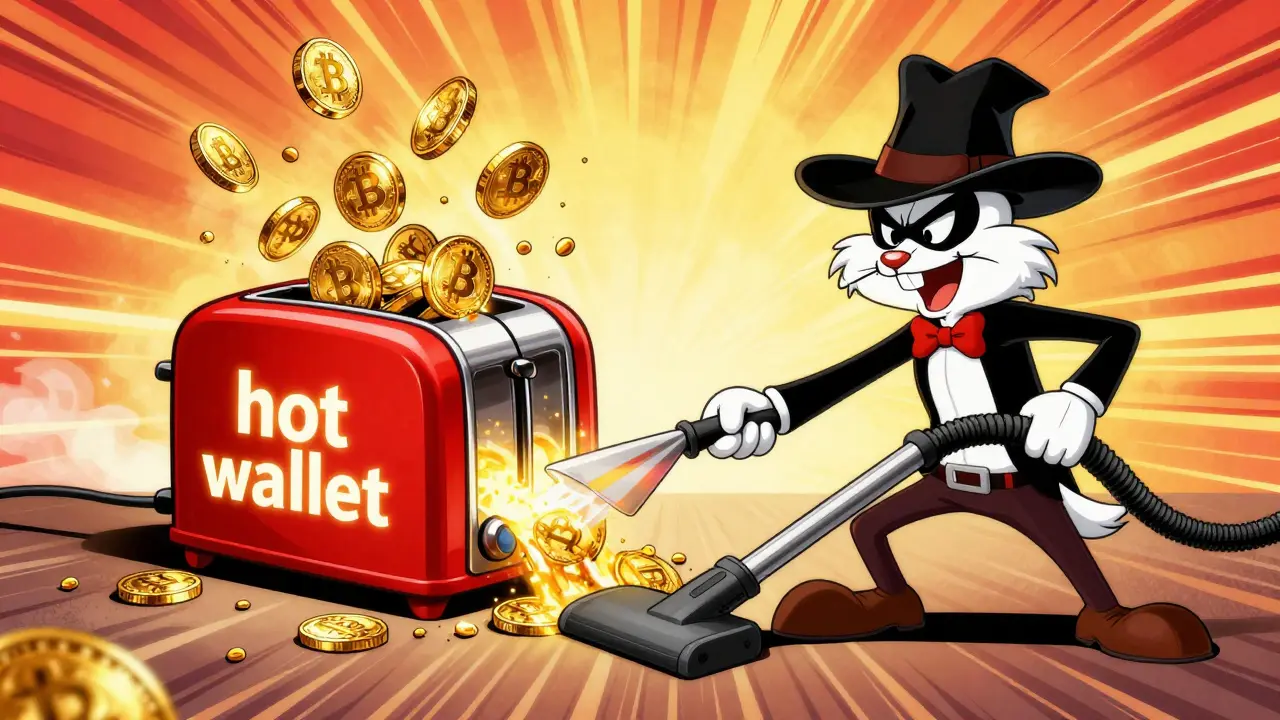
Hackers managed to gain access to the platform's hot wallets-the online wallets used for immediate transactions. Within hours, the exchange was drained. The breach was so severe that Altsbit announced its total closure just four days later. While the team claimed they would use cold wallet reserves to pay users back, that promise never materialized. The exchange simply vanished, leaving its users with nothing but a lesson in risk.
Breaking Down the Security Failure
To understand why Altsbit failed, we have to look at the technical gap between "tiny" exchanges and industry leaders. Most reputable platforms use a tiered storage system. They keep a small percentage of funds in hot wallets for liquidity and the vast majority in Cold Wallets, which are hardware devices disconnected from the internet. Altsbit's implementation was clearly inadequate; the hackers didn't just take a few coins, they took almost everything held in the active trading environment.
Forensic analysis from Bytwork reveals the sheer scale of the theft. The attackers walked away with 6,929 BTC, 2,321 ETH, and millions of smaller tokens like Pirate Chain. In the world of 2026, we take for granted features like Multi-Factor Authentication (MFA) and Proof of Reserves (PoR), but Altsbit lacked these basic safeguards. There was no evidence of multi-signature wallets, which require multiple parties to approve a transaction before funds move. Without these "checks and balances," a single point of failure became a total collapse.
| Feature | Altsbit (Defunct) | Tier-1 Exchanges (e.g., Coinbase, OKX) |
|---|---|---|
| Fund Storage | Heavy reliance on hot wallets | Majority in cold storage |
| Transparency | None / Opaque | Regular Proof of Reserve audits |
| Security Layers | Basic / Undocumented | Multi-sig, AI-fraud detection, SSL |
| Regulatory Status | Patchy / Unverified | KYC, AML, and FCA/CySEC oversight |
| Recovery Plan | Unfulfilled promises | Insurance funds (e.g., SAFU) |
The Danger of "Tiny" Exchanges
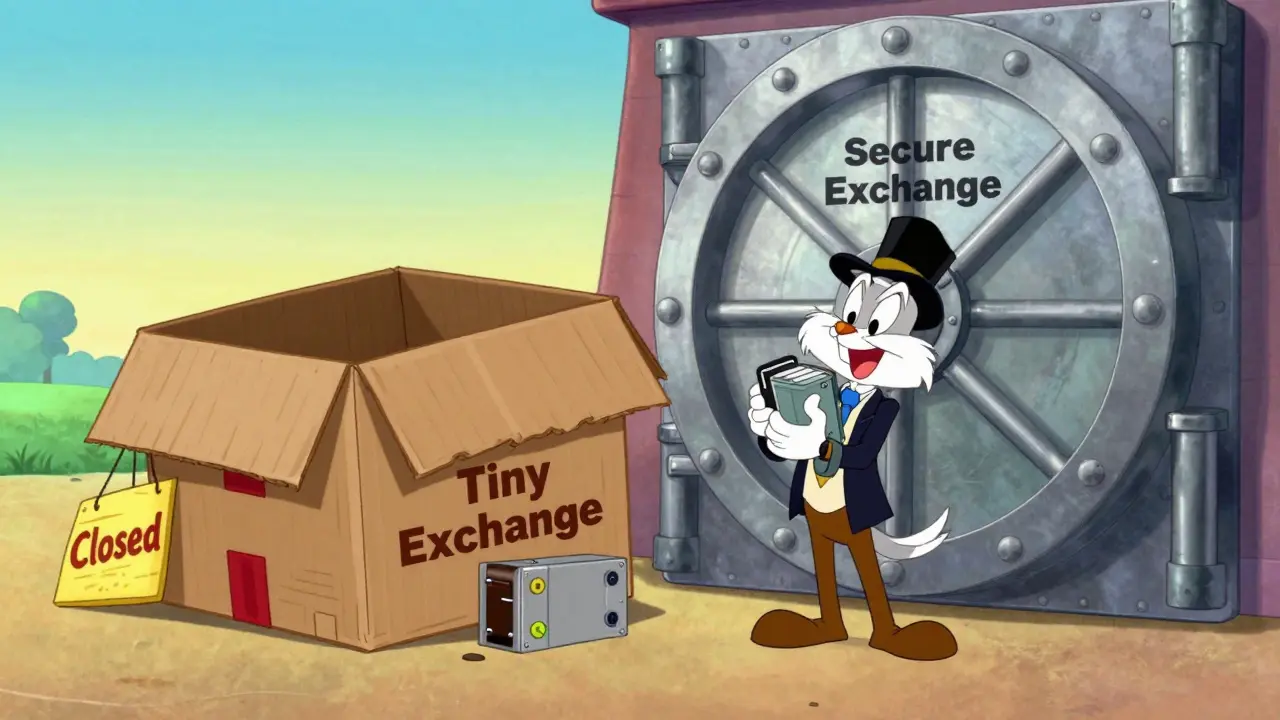
Why do people use small exchanges in the first place? Usually, it's to find a rare coin that isn't listed on the big platforms or to avoid strict KYC (Know Your Customer) checks. But as Altsbit proves, this convenience comes with a massive price tag: counterparty risk. When you deposit money on a centralized exchange, you aren't actually holding your coins; the exchange is holding them for you.
If the exchange is small, they likely don't have a dedicated cybersecurity unit or the budget for third-party security audits. While the Altsbit hack involved a relatively small amount of money compared to the Mt. Gox disaster, the result for the individual user was the same-a 100% loss. This is why experienced traders often spread their assets across multiple platforms or, better yet, move them to non-custodial solutions where they control the private keys.
Lessons for Today's Crypto Traders
The ghost of Altsbit still haunts the markets, reminding us that "trust" is not a security strategy. If you're looking for a place to trade today, you should look for specific red flags and green flags. A green flag is a platform that publishes a real-time Proof of Reserve, showing that they actually have the assets they claim to hold. A red flag is any platform that promises high returns with zero transparency about how they secure their wallets.
We've seen the industry move toward more robust models. Some modern services now use non-custodial models, meaning the platform never actually touches your keys. This eliminates the specific type of risk that killed Altsbit. If you're still keeping a large balance on a centralized exchange, you're essentially betting that their security team is better than the hackers. Given the history of the industry, that's a risky bet.
Comparing the Scale of Failure
To put Altsbit in perspective, it's helpful to look at it alongside other major breaches. While it doesn't rank among the "Top 50 Largest Thefts" in terms of raw dollar value-trailing far behind the hundreds of millions lost in the Coincheck or Mt. Gox hacks-it represents the most common type of failure. Small-to-mid-sized exchanges often lack the "deep pockets" needed to reimburse users after a breach.
When a giant like Binance faces a security glitch, they have the capital to cover the loss. When a "tiny Italian exchange" like Altsbit gets hit, there is no safety net. The infrastructure simply isn't there to absorb the blow, leading to an immediate and permanent shutdown. This highlights why regulatory compliance isn't just red tape; it's a signal that a company has the operational maturity to survive a crisis.
Is Altsbit still operating in 2026?
No. Altsbit ceased all operations in February 2020 following a major security breach. Any website or service currently claiming to be Altsbit is likely a scam.
What happened to the funds on Altsbit?
The majority of user funds held in hot wallets were stolen during a hack on February 6, 2020. Although the exchange mentioned using cold wallets for reimbursement, these promises were not fulfilled before the platform shut down.
How can I avoid another Altsbit-style loss?
The best way is to avoid leaving large amounts of crypto on any centralized exchange. Use a hardware wallet for long-term storage and only keep the amount you are actively trading on an exchange. Additionally, choose platforms that provide public Proof of Reserves and have a history of third-party security audits.
What was the total value stolen from Altsbit?
Estimates vary due to price volatility, but forensic reports suggest the theft ranged between $27,000 and $70,000, including thousands of Bitcoin and Ethereum as well as several altcoins.
What are "hot wallets" and why were they the target?
Hot wallets are connected to the internet to allow for fast withdrawals and trading. Because they are online, they are vulnerable to hacking. Secure exchanges minimize the funds kept in hot wallets and store the rest in "cold storage," which is offline and much harder to breach.
Next Steps for Secure Trading
If you're currently using a small exchange you've never heard of, now is the time to do a security audit of your own. Check if they have a clear security policy and if they require MFA for all withdrawals. If they don't, move your funds to a more established platform or a private wallet immediately.
For those who prefer the convenience of an exchange but hate the risk, look into non-custodial trading platforms. These allow you to trade without giving up control of your private keys, effectively removing the "Altsbit risk" from the equation entirely. Remember: in the world of crypto, if you don't hold the keys, you don't own the coins.
Aaron Zeiler
April 29, 2026 AT 19:13just get a ledger or trezor and stop trusting these platforms altogether. not your keys not your coins is the only rule that actually matters in this space
Rushell Perry
April 30, 2026 AT 01:37definitely a good reminder to keep your assets safe and diversify your storage methods
Noel Mandotah
May 1, 2026 AT 09:55Shocking. A small exchange with zero security failed. Truly a miracle of modern finance.
Carli Bates
May 2, 2026 AT 19:07the irony of trusting a digital vault managed by people who probably use password123 as their admin login... truly a testament to the human condition
Janis Naglis
May 3, 2026 AT 05:16The fundamental lack of Multi-Sig architecture here is just... appalling!!! It is so crucial to implement robust Cold Storage protocols to mitigate counterparty risk!!! Everyone should be auditing their PoR daily!!!
Tracy McBurney
May 4, 2026 AT 01:26The failure here wasn't just technical; it was a moral bankruptcy. The team promised recovery and then vanished. That level of cowardice is almost as impressive as the hack itself.
Nitin Gupta
May 4, 2026 AT 13:41I agree with the point about hardware wallets. It is always safer to be your own bank when dealing with volatile assets.
edie rosa
May 5, 2026 AT 15:43Typical. People chase these niche coins on sketchy sites and then act surprised when their money disappears. It is a lack of basic discipline.
Michael Repak
May 7, 2026 AT 03:14I really hope anyone who lost money found some peace with it... It's a tough lesson, but it helps us all grow and be more cautious!!!
Iestyn Lloyd
May 8, 2026 AT 07:47A fairly standard case of operational failure. Many early-stage platforms lacked the compliance frameworks we see now.
April D Thompson
May 8, 2026 AT 15:46This whole tragedy just screams about the fragility of trust in a decentralized world! We crave the safety of a center while the very idea of a center is what betrays us! It's like we're all just dancing around a void hoping the floor holds!
Kara Spadone
May 8, 2026 AT 17:32Imagine thinking a 'tiny Italian exchange' was a safe bet 🙄. Some people just love the thrill of losing money 🤡
debra hoskins
May 9, 2026 AT 14:20Sure, the big names are better, but they just trade one kind of risk for another. Centralization is just a fancy word for a bigger target.
Pramendra Singh
May 10, 2026 AT 05:15It is good that we have more tools now to verify reserves. This will help new traders avoid these mistakes.
Amanda Macy
May 10, 2026 AT 18:43The cycle of greed and loss is the only constant in this market. We learn, but only after the damage is done.
Chloe Fletcher
May 10, 2026 AT 19:52Stay strong everyone! 💖 Just move your funds to a cold wallet and sleep better at night! You got this! 🚀✨
Lex Harley
May 11, 2026 AT 17:39man the hot wallet vulnrabilities are wild. if they didnt use multi-sig it was basically an open door for any script kiddie with a decent exploit. honestly crazy they even stayed open for 4 days after
Tony Phan
May 12, 2026 AT 18:54I just can't believe how people actually fall for this stuff! It's like watching a car crash in slow motion! Give me those liquidity pools and DEXs any day, man! Why even use a CEX in 2026!
Bevon Findley
May 14, 2026 AT 00:51Obvious stuff really. :)
Kristi Swartz
May 15, 2026 AT 21:35It is a matter of basic common sense to avoid platforms without regulatory oversight. The lack of KYC is not a benefit but a warning sign of an illegitimate operation
Alex Mazonowicz
May 16, 2026 AT 03:38Keep learning and stay safe everyone!!! We can all get through this by helping each other out!!!
Ipsita Seal
May 16, 2026 AT 21:16this is just too much reading for something that basically just says dont use bad exchanges. like we already know this. why is this even a thing
Noel Mandotah
May 18, 2026 AT 19:41Because some people need a thousand-word essay to realize that free money doesn't exist. Imagine needing a case study for something this basic. It's a wonder anyone manages to log into their accounts without a guide. The sheer level of hand-holding required in this industry is staggering. We are basically treating adults like toddlers who can't be trusted with a butter knife. Just read the docs. Use a wallet. Stop whining about the 'tragedy' of losing money to a platform that looked like it was coded in a basement by a teenager. It is not a 'fallen platform,' it was a cardboard box with 'Bank' written on it in crayon. The forensic analysis is just fluff to make the failure seem more technical than it was. It was just incompetence. Pure, unadulterated, blissful incompetence. I'm exhausted just thinking about the number of people who thought this was a legit investment strategy. Truly a circus.