Binance and Bitget Restrictions in Philippines: What Users Need to Know in 2026
 Mar, 24 2026
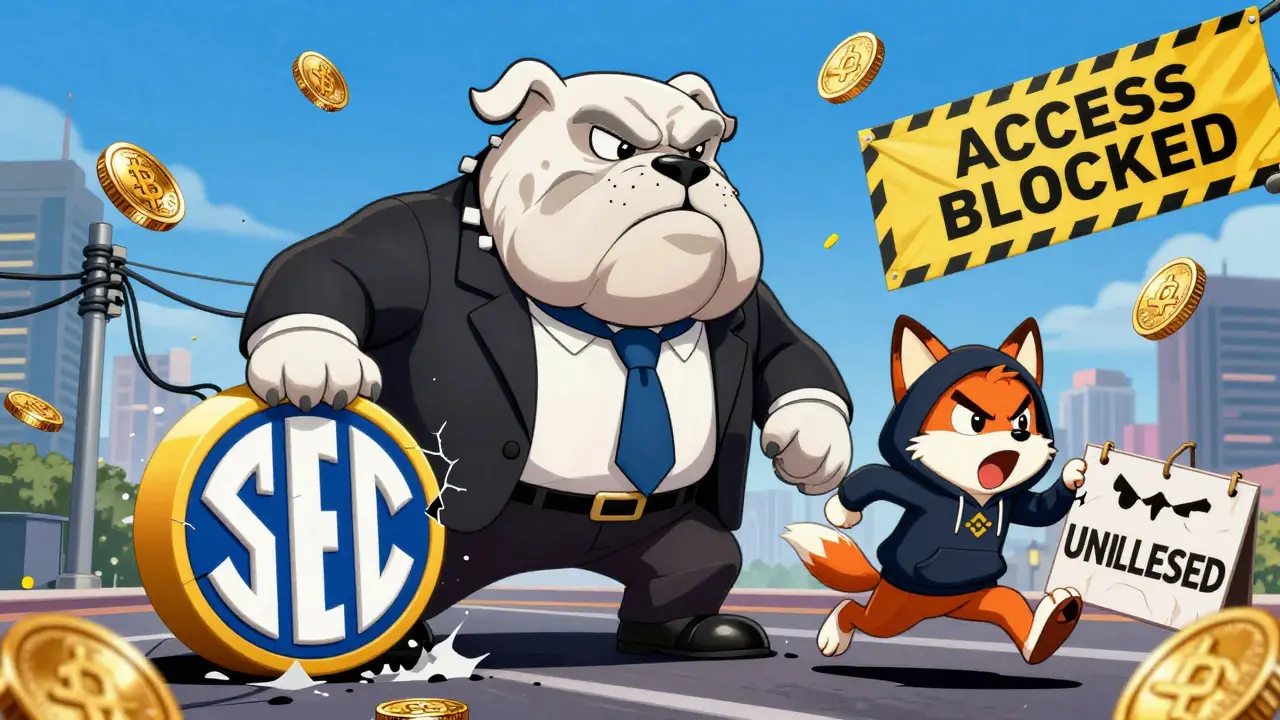
When the Philippines blocked Binance in March 2024, many thought it was just a one-time move. But it wasn’t. That ban was the first domino in a much bigger regulatory crackdown that’s still rolling out. By May 2025, the country introduced a new rulebook for crypto exchanges - and now, in 2026, the rules are being enforced hard. If you’re using Binance or Bitget from the Philippines, you’re operating in a legal gray zone - and the risks are real.
How Binance Got Blocked in the Philippines
The Philippines Securities and Exchange Commission (SEC) didn’t wake up one day and decide to ban Binance. It had been warning the exchange since November 2023. Binance, the world’s largest crypto platform by volume, had no license to operate in the country. It wasn’t registered as a local business. It didn’t have a physical office. It wasn’t reporting its finances. And worst of all, it was actively promoting itself through social media influencers, YouTube ads, and Telegram groups targeting Filipinos.
By March 2024, the SEC teamed up with the National Telecommunications Commission (NTC) to block access to Binance’s website and app. Internet service providers in the Philippines started redirecting users trying to reach binance.com to a warning page. The message was clear: Binance was not authorized. Users had 90 days to withdraw their funds. After that, access was cut off completely.
But Binance didn’t stop trying. Even after the ban, it kept running ads. The SEC responded with another advisory in early 2025: anyone promoting Binance - whether a TikTok influencer, a WhatsApp group admin, or a local business owner - could be held criminally liable. That’s not a warning. It’s a legal trap.
The New Rules: CASP Framework Explained
In May 2025, the SEC dropped its biggest move yet: Memorandum Circular No. 4 and No. 5. These created the first-ever Crypto Asset Service Provider (CASP) framework. It’s not just a guideline. It’s a law.
Here’s what every crypto exchange must do to legally serve Filipino users:
- Register as a domestic corporation in the Philippines
- Have a physical office in the country
- Hold at least ₱100 million (about $1.8 million USD) in capital
- Separaate customer funds from company funds - no mixing
- Submit detailed monthly financial reports to the SEC
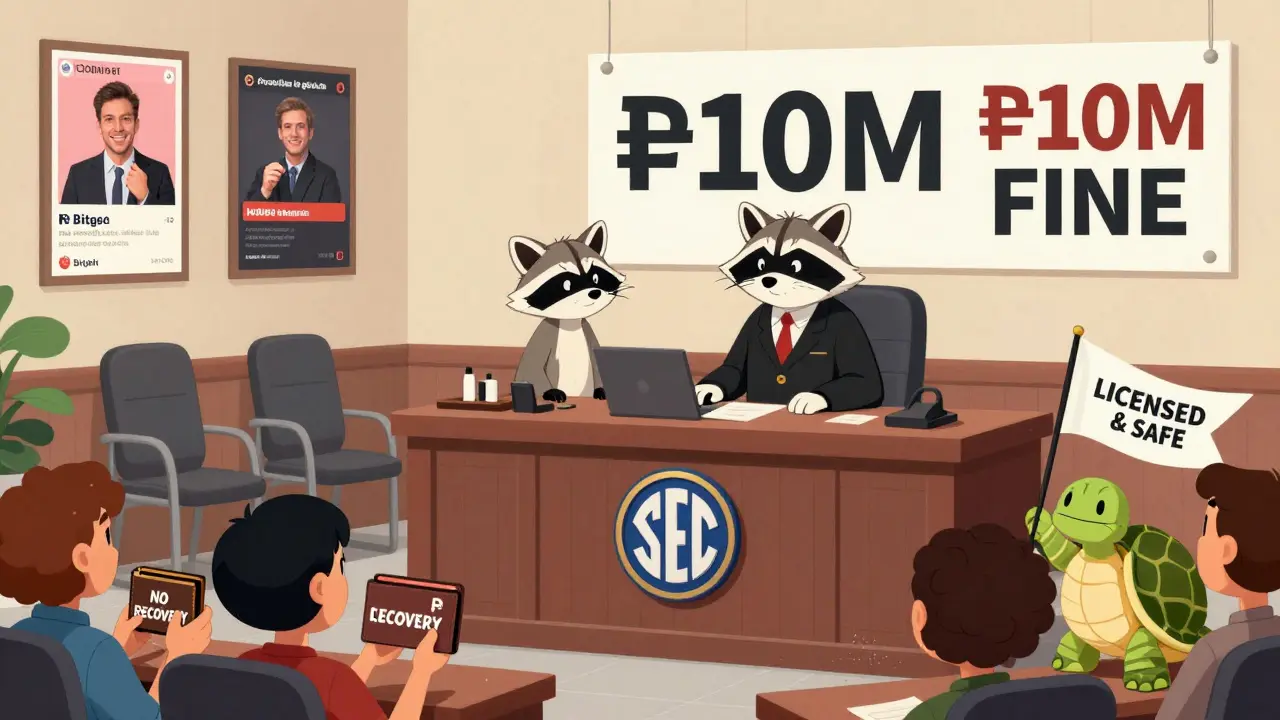
Violate any of these? Fines start at ₱50,000 per offense. Repeat violations? Up to ₱10 million per incident - plus ₱10,000 per day until you fix it. There’s no wiggle room. The SEC isn’t playing around.
And it’s not just about Binance. The CASP rules apply to every exchange serving Filipinos - whether it’s OKX, Bybit, Kraken, KuCoin, or Bitget. If you’re not registered, you’re breaking the law.
Is Bitget Restricted Too?
Bitget isn’t named in the SEC’s August 2025 public advisory listing the unlicensed exchanges. But that doesn’t mean it’s safe.
The advisory named OKX, Bybit, KuCoin, and Kraken - all of which were operating without CASP registration. Bitget wasn’t on the list. Why? Maybe the SEC hasn’t gathered enough evidence yet. Maybe Bitget is still negotiating. Or maybe it’s just a matter of time.
The rules don’t care about your name. They care about your activity. If Bitget is serving Filipino users without a CASP license, it’s violating the law. The SEC has made it clear: all international exchanges must comply. There’s no exception.
And here’s the thing: Bitget’s business model looks a lot like Binance’s. It uses influencer marketing. It runs ads on Facebook and YouTube. It doesn’t have a local office. It doesn’t report to the Philippine SEC. If Binance got banned for this, Bitget won’t escape.
What Happens if You Keep Using Binance or Bitget?
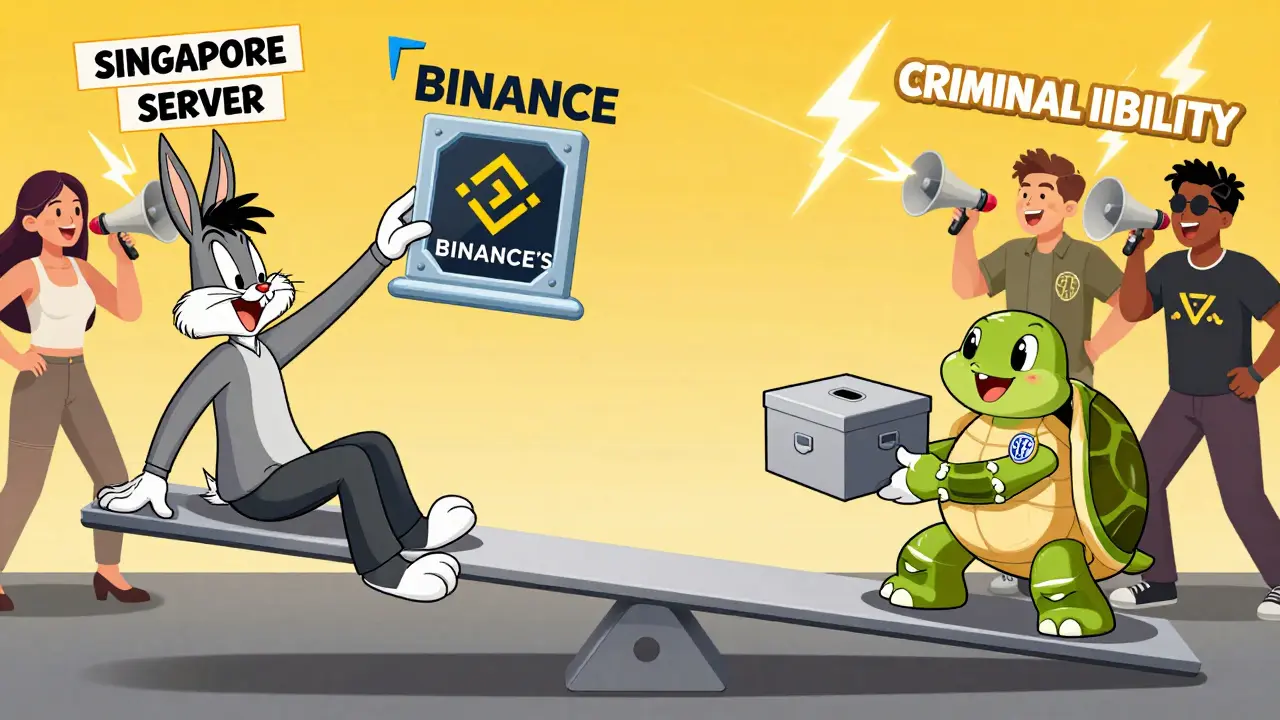
Some users still access these platforms. How? Through VPNs. You install a VPN, connect to a server in Singapore or the US, and suddenly binance.com loads again. Same with Bitget.
But here’s what no one tells you: using a VPN to bypass a government ban may be illegal under Philippine law. The SEC’s advisory doesn’t just target exchanges - it targets enablers. That includes anyone who helps others access banned platforms. If you’re using a VPN to trade on Binance, you’re participating in an unregistered investment scheme. If you’re promoting it, you’re risking criminal charges.
And it’s not just about fines. There’s no consumer protection. If Binance or Bitget freezes your account, disappears, or gets hacked - you have no legal recourse. The SEC won’t help you. No local bank will cover your losses. Your money is gone.
Even worse, the Philippine government has started tracking wallet addresses linked to unregistered exchanges. If you’re regularly depositing or withdrawing large amounts, you could trigger a financial investigation.
What Are the Alternatives?
There are licensed crypto platforms in the Philippines - but they’re few. The only one currently approved under the CASP framework is Coins.ph. It’s a local company. It has a physical office. It reports to the SEC. It holds customer funds separately. And it’s the only one you can trust without legal risk.
Other local players like PDAX and MyBit are in the application process. But they’re not licensed yet. Don’t assume they’re safe just because they’re based in the Philippines.
For now, if you want to trade crypto legally in the Philippines, your options are:
- Use Coins.ph (the only fully licensed option)
- Wait for PDAX or MyBit to get approved
- Trade on foreign exchanges only if you’re not a resident - but that’s not legal for Filipinos
There’s no third option. The SEC isn’t going to soften its stance. The rules are here to stay.
Why Is the Philippines So Strict?
The Philippines isn’t alone. Thailand banned five exchanges in May 2025. Indonesia raised crypto taxes on offshore platforms from 0.2% to 1%. Singapore is tightening KYC rules. Even Vietnam has cracked down on unlicensed platforms.
Why? Because of what happened in 2022 and 2023. When FTX collapsed, thousands of Filipinos lost everything. When TerraUSD crashed, people lost life savings. No one was protected. No one was regulated.
The Philippine SEC saw what happened in the US, the UK, and Canada - where billions were lost because exchanges mixed customer money with company cash. They decided: not here.
Their goal isn’t to kill crypto. It’s to protect ordinary people from getting scammed. The CASP rules are designed to make sure exchanges can’t vanish overnight. They have to prove they’re stable. They have to prove they’re honest. They have to prove they’re here to stay.
What’s Next for Binance and Bitget?
Binance is still trying to negotiate with regulators around the world. But in the Philippines, there’s no sign of compromise. The SEC has shown it’s willing to block, fine, and prosecute. Binance hasn’t applied for a CASP license. And without one, it won’t be allowed back.
Bitget? It hasn’t made any public moves toward compliance. No office. No license application. No financial reporting. If it continues like this, it’s only a matter of time before the SEC adds it to the list of banned platforms.
The clock is ticking. The SEC has already signaled it’s preparing enforcement actions against the next wave of unlicensed exchanges. If you’re using either platform, you’re gambling - not investing.
What Should You Do Now?
If you’re still holding crypto on Binance or Bitget:
- Withdraw your funds immediately - before access is cut off
- Transfer them to a licensed local exchange like Coins.ph
- Stop using VPNs to access banned platforms
- Don’t promote or recommend these services to others
- Keep records of all transactions - just in case
If you’re thinking of starting to trade crypto in the Philippines: go with Coins.ph. It’s slower. It’s less flashy. But it’s legal. And that’s worth more than any high-leverage trade.
Is it illegal to use a VPN to access Binance in the Philippines?
Yes. While using a VPN isn’t illegal by itself, using it to access a platform that the Philippine SEC has explicitly banned - especially if you’re actively trading or promoting it - can be considered aiding an unregistered investment scheme. The SEC has warned that anyone who enables access to banned exchanges, including through technical means, may face legal consequences. This includes VPN providers that market their services specifically for bypassing the ban.
Can I still withdraw my crypto from Binance or Bitget in the Philippines?
Yes - for now. Both platforms still allow withdrawals. But the SEC has made it clear that access will be permanently blocked once enforcement actions are finalized. If you’re holding assets on either platform, withdraw them as soon as possible. Once access is fully cut off, retrieving your funds could become impossible or require legal action.
What happens if I don’t withdraw my funds before Binance is fully blocked?
If you don’t withdraw before access is fully blocked, your funds could become inaccessible. Unlike banks or licensed exchanges, Binance and Bitget are not regulated in the Philippines, so there’s no legal obligation to return your assets. If the platform shuts down, freezes accounts, or gets hacked, you have no recourse. The Philippine SEC will not step in to help you recover lost funds.
Is Bitget going to be banned next?
It’s very likely. Bitget operates exactly like Binance - no local office, no license, heavy use of influencer marketing, and no financial reporting to Philippine authorities. The SEC’s CASP rules apply to all unlicensed exchanges. Since Bitget hasn’t applied for registration, it’s only a matter of time before it’s added to the list of banned platforms. The SEC has already signaled it’s targeting the next wave of unlicensed exchanges.
Are there any licensed crypto exchanges in the Philippines besides Coins.ph?
As of March 2026, Coins.ph is the only fully licensed crypto exchange under the CASP framework. PDAX and MyBit are in the application process but have not yet received approval. Any other platform claiming to be licensed in the Philippines is either misleading or operating illegally. Always check the SEC’s official list of registered entities before trading.
Cordany Harper
March 24, 2026 AT 23:54Coins.ph isn’t flashy, but it’s the only one you can sleep easy with. I’ve used it for years. No drama, no surprises. Just solid, legal, regulated service.
Zion Banks
March 25, 2026 AT 22:19VPN? OF COURSE USE IT. They’re banning freedom. You think they want you to own your money? NO. They want you to be a digital serf. Wake up.
manoj kumar
March 26, 2026 AT 11:59JOHN NGEH
March 27, 2026 AT 12:41I’m not saying it’s perfect-but it’s the most responsible crypto regulation I’ve seen in emerging markets.
Jenni Moss
March 28, 2026 AT 11:14vu phung
March 29, 2026 AT 11:29Coins.ph is the only one that ticks every box. The others? They’re still in beta.
Dheeraj Singh
March 29, 2026 AT 21:39Mike Yobra
March 31, 2026 AT 07:14Next they’ll ban Bitcoin because it’s ‘too decentralized.’
Nicolette Lutzi
April 1, 2026 AT 15:47VPN users? You’re not a rebel. You’re a target.
Sam Harajly
April 3, 2026 AT 06:03The CASP rules aren’t perfect, but they’re a necessary step. If you want to protect your family’s money, you need structure. Not just ‘trust the blockchain.’
Abhishek Thakur
April 3, 2026 AT 14:47Jackie Crusenberry
April 4, 2026 AT 10:28Why do we keep doing this to ourselves?
Shelley Dunbrook
April 4, 2026 AT 20:05Aman Kulshreshtha
April 6, 2026 AT 12:12It’s not about banning crypto. It’s about accountability.
Leona Fowler
April 6, 2026 AT 22:42Move it. Now. Even if it’s just to a cold wallet. At least you’re in control.
kavya barikar
April 8, 2026 AT 00:29namrata singh
April 9, 2026 AT 15:38Andrea Zaszczynski
April 9, 2026 AT 19:44