Upbit Crypto Exchange Review: Fees, Security & Is It Right for You in 2026?
 May, 6 2026
Are you trying to figure out if Upbit is the right place to store and trade your digital assets?
If you live in South Korea or have strong ties to the region, the answer is likely yes. But if you are sitting in New York, London, or even Sydney, you might be stuck before you even start. Upbit isn’t just another app on the App Store; it’s a heavily regulated fortress built specifically for the Asian market.
In this review, we are cutting through the hype. We will look at the real numbers behind their fees, the truth about their security record (including that infamous 2019 hack), and whether their strict rules are worth the peace of mind. By the end, you’ll know exactly where Upbit fits into your portfolio strategy.
The Short Answer: Who Should Use Upbit?
- Best For: Residents of South Korea and Singapore who need seamless fiat (KRW/SGD) integration.
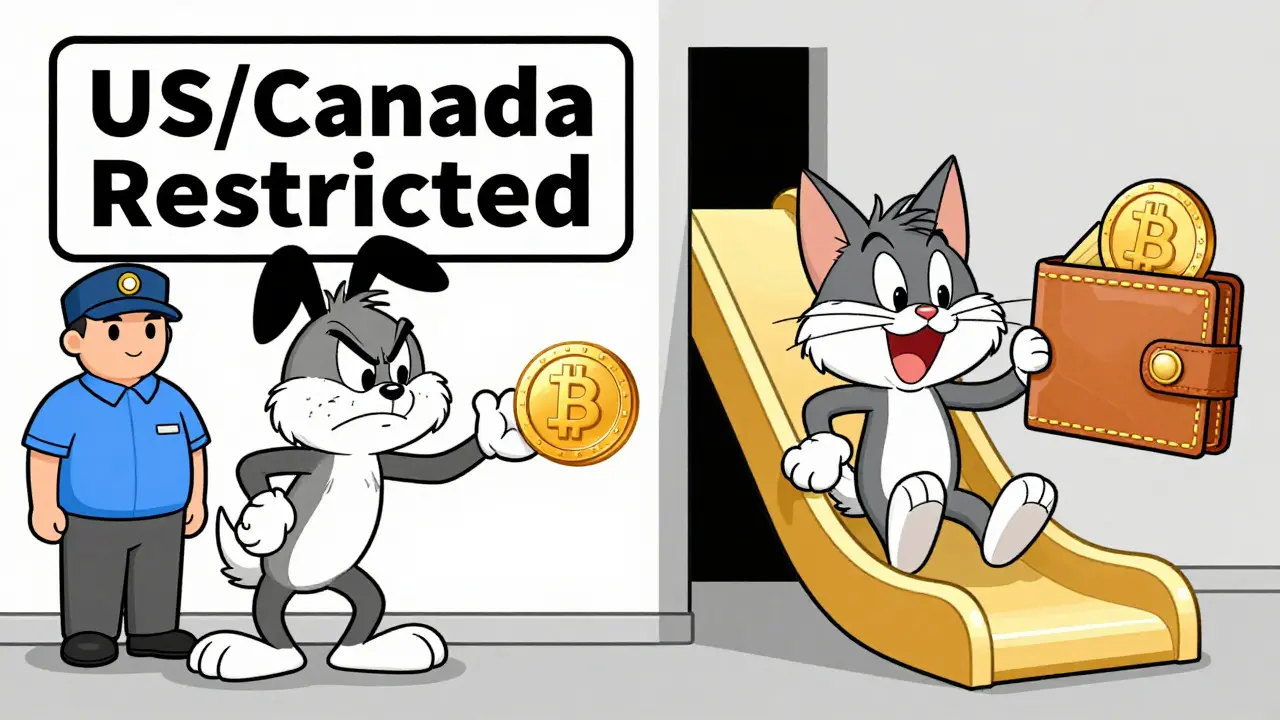
- Avoid If: You are located in the US, Canada, or other restricted jurisdictions due to regulatory blocks.
- Security Rating: High. Post-2019 upgrades include ISO certifications and AI-driven monitoring.
- Fee Structure: Competitive but not the cheapest. Maker fees start at 0.25% unless you hold UP tokens.
- User Experience: Clean interface, but KYC verification can take 3-5 business days.
Upbit dominates the South Korean market with a massive 55% share. That number doesn’t come from thin air-it comes from trust. In a region where crypto regulations shifted dramatically between 2017 and 2024, Upbit stayed compliant. For local users, this means your money is safer than on offshore exchanges that could vanish overnight. For international users, however, those same compliance rules often mean "access denied."
How Secure Is Upbit Really?
Let’s address the elephant in the room first. In 2019, Upbit suffered a major Ethereum hack resulting in $51 million in losses. It was a painful moment for the industry. But here is what happened next: they reimbursed every affected user in full, using their own reserves. They didn’t hide. They didn’t blame users. They fixed the problem.
Since then, Upbit has transformed its security architecture. Today, 70% of all user funds are stored in cold wallets, which are offline and inaccessible to hackers. The remaining 30% in hot wallets is protected by an AI-powered anomaly detection system that monitors 1.2 million transactions per minute. This system flags suspicious behavior instantly, freezing accounts before damage occurs.
In November 2025, Upbit demonstrated this proactive approach by blocking assets linked to Cambodia’s Huewn Exchange two months before U.S. regulators formally designated it as a threat. They froze 259 suspicious accounts permanently. This level of vigilance is rare. Most exchanges wait for legal orders; Upbit acts on internal risk assessments.
However, no system is perfect. In September 2025, a temporary suspension of KRW deposits during banking partner inspections caused frustration among traders. While brief, it highlighted a single-point-of-failure risk when relying on traditional banking rails. Still, compared to global averages, Upbit’s uptime of 99.98% and ISO 27001 certification make it one of the safest platforms in Asia.
Fees and Trading Costs: What Will You Pay?
Trading fees eat into profits faster than you think. Upbit uses a standard maker-taker model. Here is how it breaks down:
- Maker Fee: 0.25% (when you add liquidity to the order book)
- Taker Fee: 0.25% (when you remove liquidity by filling an existing order)
- Withdrawal Fees: Varies by coin. Bitcoin withdrawals cost 0.0005 BTC, while Ethereum costs approximately 0.01 ETH.
Compared to giants like Binance, which offers maker fees as low as 0.1%, Upbit looks expensive. But there is a catch. Binance faces mounting regulatory pressure globally, leading to delistings and access restrictions in key markets. Upbit’s slightly higher fees buy you regulatory certainty in Korea and Singapore.
You can reduce these costs by holding UP Token, Upbit’s native utility token. Holding UP grants fee discounts, similar to how BNB works on Binance. For high-volume traders, this discount can bring effective fees closer to competitive levels. Additionally, Upbit processes most transactions in 3-5 seconds, meaning you aren’t paying for speed-you’re paying for stability.
| Exchange | Maker Fee | Taker Fee | Native Token Discount | Regulatory Status (Asia) |
|---|---|---|---|---|
| Upbit | 0.25% | 0.25% | Yes (UP Token) | Fully Licensed (KR/SG) |
| Binance | 0.10% | 0.10% | Yes (BNB) | Licensed in Select Jurisdictions |
| Coinbase | 0.40% - 0.60% | 0.40% - 0.60% | No | Fully Licensed (US/EU) |
KYC and Account Verification: The Gatekeeper
This is where most international users hit a wall. Upbit requires strict Know Your Customer (KYC) verification. For South Korean residents, this involves linking your national ID and bank account. For international users, such as those in Singapore, you can verify with a passport, but limits apply.
Verification levels determine your power:
- Level 2 (Basic): Daily withdrawal limit of SGD 5,000. Suitable for casual investors.
- Level 4 (Full): Daily withdrawal limit up to SGD 100,000. Requires additional proof of address and income.
In 2025, regulators identified over 500,000 KYC compliance issues across the industry, prompting Upbit to tighten its checks. This means new accounts may face 3-5 business days for approval. Some users complain about delays, especially during peak market volatility. But remember: these delays exist to prevent money laundering and terrorist financing. If you value anonymity, Upbit is not for you. If you value safety, this friction is a feature, not a bug.
User Experience and Mobile App
Upbit’s mobile app supports Android 8.0+ and iOS 12+. The interface is clean, intuitive, and designed for both beginners and pros. New users report executing their first trades within 24 hours, thanks to a moderate learning curve (rated 3.2/5 difficulty).
The web platform offers advanced charting tools powered by TradingView, allowing technical analysis enthusiasts to dive deep. However, some users note latency spikes during extreme market events. In September 2025, a 14-day suspension of BABY/BCH pairs for security upgrades caused estimated opportunity costs of $2.3 million for traders. While necessary for long-term health, short-term disruptions can be frustrating.
Customer support scores 4.1/5, with 24/7 chat available in Korean and English. Average response time is 92 seconds. Complex issues, like frozen withdrawals, may take 3.7 business days to resolve. Documentation includes 217 help articles and 47 video tutorials, making self-service easy for common problems.
Upbit vs. Alternatives: Which One Wins?
Choosing an exchange depends on your location and goals. Here is how Upbit stacks up against its main rivals:
Upbit vs. Binance: Binance wins on fee structure and coin selection (350+ tokens vs. Upbit’s 200). But Upbit wins on regulatory trust in Asia. If you are in Korea, Upbit is the only choice for KRW pairs. If you are elsewhere, Binance might offer more flexibility, but with higher regulatory risk.
Upbit vs. Coinbase: Coinbase is the gold standard for U.S. users, offering unparalleled compliance and ease of use. Upbit cannot compete in the U.S. market due to restrictions. However, in Asia, Upbit offers better liquidity for KRW pairs and lower slippage for large orders.
Upbit vs. Bithumb: As domestic competitors, Upbit holds a clear lead with 55% market share versus Bithumb’s 28%. Upbit’s superior security infrastructure and faster transaction processing make it the preferred choice for institutional players entering the Korean market.
Final Verdict: Is Upbit Worth It in 2026?
Upbit is not a one-size-fits-all solution. It is a specialized tool for the Asian market. If you are a resident of South Korea or Singapore, it is arguably the best option available. Its combination of regulatory compliance, robust security, and seamless fiat integration makes it indispensable.
For international users outside these regions, Upbit may be inaccessible or impractical due to KYC hurdles and withdrawal limits. In those cases, look toward globally licensed alternatives like Coinbase or Kraken.
Ultimately, Upbit proves that you don’t have to sacrifice security for convenience. After recovering from its 2019 setback, it has become a benchmark for accountability in the crypto space. If you prioritize safety and regulatory clarity, Upbit deserves a spot in your wallet.
Can I use Upbit if I live in the United States?
No. Upbit restricts access to users in 32 jurisdictions, including the United States, due to regulatory constraints. You will need to use a U.S.-licensed exchange like Coinbase or Kraken.
Is Upbit safe after the 2019 hack?
Yes. Since the 2019 incident, Upbit has implemented ISO 27001 certifications, moved 70% of funds to cold storage, and deployed AI-driven anomaly detection. They also fully reimbursed victims of the previous hack, demonstrating strong financial resilience.
What are the withdrawal limits on Upbit?
Withdrawal limits depend on your KYC level. Level 2 users can withdraw up to SGD 5,000 daily, while fully verified Level 4 accounts can withdraw up to SGD 100,000 daily. Higher limits require additional identity verification.
Does Upbit support Bitcoin and Ethereum?
Yes. Upbit supports over 300 cryptocurrencies, including Bitcoin (BTC), Ethereum (ETH), and many altcoins. It is particularly strong in KRW trading pairs, handling 92% of its volume in local currency.
How long does KYC verification take?
Verification typically takes 3-5 business days. During periods of high regulatory scrutiny, such as in late 2025, delays may occur. Ensure you submit clear documents to avoid rejection.
Caique Muniz
May 7, 2026 AT 11:44upbit is basically just a glorified bank for koreans lol
Samara McCallum
May 8, 2026 AT 15:38i feel like the whole narrative around security is just marketing fluff designed to make us feel better about handing over our private keys to corporations that could collapse tomorrow anyway
the fact that they reimbursed users in 2019 was nice sure but it also means they had massive reserves sitting there doing nothing while the market crashed
it is interesting how they frame compliance as a feature when really it is just a barrier to entry for anyone who actually values privacy
we are trading freedom for safety and calling it progress
maybe that is fine for some people but i find it deeply unsettling
the ai monitoring sounds like a surveillance nightmare waiting to happen
who decides what suspicious behavior looks like?
is buying too much bitcoin suspicious?
is selling during a dip suspicious?
the ambiguity of these systems is terrifying
i prefer exchanges that don't ask questions
or at least ones that pretend not to care
this level of scrutiny feels invasive
like being watched by a giant eye
that never blinks
and honestly i am tired of it
Tobias Gjerlufsen
May 9, 2026 AT 04:04you people are so naive if you think upbit is safe because of iso certifications
iso 27001 is just a piece of paper that costs money to get
it does not mean anything in the real world
hackers do not care about your certification
they care about your hot wallet keys
and upbit keeps 30% in hot wallets which is insane
why would you keep any funds online?
it is suicide
they got lucky in 2019
next time they might not have the reserves
do not trust them
trust math only
not companies
companies lie
math does not
Ellie Riddell
May 11, 2026 AT 03:18honestly if you are not in south korea this review is useless to you
just use binance or coinbase
why complicate things
upbit is great for koreans
but for everyone else it is a headache
kyc takes forever
limits are low
support is slow
just move on
life is too short for bad exchange experiences
Kiran CS
May 11, 2026 AT 14:21one must appreciate the sheer audacity of claiming regulatory certainty in asia
asia is a continent with diverse legal frameworks
to lump korea and singapore together is reductive at best
upbit operates within a specific jurisdictional bubble
yet they project an image of pan-asian dominance
it is pretentious
their fee structure is predatory compared to decentralized alternatives
0.25% maker fee is archaic
in 2026 we should be paying fractions of a percent
not percentages that erode capital
the up token discount is a trap
it forces you to hold their equity
which correlates with their risk profile
smart investors avoid centralized exchange tokens
unless they are prepared for total loss
which is likely given the history of hacks
so no upbit is not right for me
i prefer liquidity without strings attached
or at least fewer strings
Ruben Michel
May 12, 2026 AT 19:31the article fails to adequately address the systemic risks associated with centralized custody
while upbit has improved its security posture since 2019
the reliance on cold storage does not eliminate counterparty risk
it merely delays the inevitable
if upbit were to face insolvency
users would have little recourse
unlike self-custody solutions
where one retains full control
the convenience offered by upbit
comes at the cost of sovereignty
a trade-off that sophisticated traders should reject
the focus on korean market share is irrelevant
for global investors
who require broader access
and deeper liquidity pools
upbit remains a regional player
with limited utility outside its home base
therefore it deserves minimal attention
from serious participants
in the cryptocurrency ecosystem
Sheldon Friesen
May 13, 2026 AT 12:00look, i get that upbit is huge in korea!
but let's be real here!!!
the fees are steep!!!
0.25% on every trade adds up fast!!!
especially if you are day trading!!!
you need to hold up tokens to make it worth it!!!
but then you are exposed to upbit's stock price!!!
which can be volatile!!!
so it is a double-edged sword!!!
on the plus side!!!
their security seems solid now!!!
after that big hack in 2019!!!
they learned their lesson!!!
and implemented better controls!!!
ai monitoring is cool!!!
but it can also flag false positives!!!
which leads to frozen accounts!!!
and customer support takes days!!!
so proceed with caution!!!
and always read the terms!!!
robert Whitehead
May 14, 2026 AT 04:23it is morally reprehensible how exchanges prioritize profit over user safety
upbit claims to be secure
yet they keep 30% of funds in hot wallets
this is negligence
any rational actor would keep 100% in cold storage
the justification of liquidity needs is weak
because most users withdraw infrequently
the 2019 hack proves their vulnerability
reimbursing users does not absolve guilt
it merely buys public relations points
the ai system is a gimmick
designed to scare users into compliance
rather than protect them from hackers
regulatory blocks in the us are justified
because upbit cannot meet higher standards
they are a second-tier exchange
trying to look first-tier
do not fall for it
use reputable platforms instead
your assets deserve better protection
than what upbit offers
ethically speaking
they fail
Shelby Cantu
May 15, 2026 AT 01:33great breakdown of the fees
thanks for sharing
i will stick to binance
cheaper rates
more coins
upbit is too restrictive
for my liking
good luck to those using it
Michael Berggren
May 15, 2026 AT 02:54hey guys! 👋
just wanted to add that upbit is actually pretty good for krw pairs 🇰🇷
if you live in seoul
it is the way to go
security has improved a lot since 2019 🔒
they really stepped up their game
cold storage is standard now ❄️
and the app is super smooth 📱
i love the interface
easy to use for beginners 😊
fees are okay though
try holding up token 💎
saves you money in the long run 💸
just be patient with kyc ⏳
it takes a few days
but it is worth it for safety ✅
hope this helps someone out! 🚀
Bradley Geldenhuys
May 16, 2026 AT 07:39yo listen up peeps
upbit is legit for korea
but dont sleep on the fees
they eat u alive
u gotta hold up token
to save cash
security is tight now
after that hack
they fixed stuff
cold storage is key
keep ur funds safe
dont leave em online
kyc is a pain
takes days
but necessary
govt wants info
deal with it
app is slick
works well
no lag usually
except during crashes
then it sucks
support is meh
slow responses
but helpful enough
overall decent
for locals
avoid if abroad
too many blocks
stick to global exchs
like binance
or coinbase
less hassle
more freedom
crypto is about freedom
not restrictions
stay free fam
Jan Gilmore
May 18, 2026 AT 06:43everyone knows upbit is the king of korea
55% market share says it all
binance cant touch them there
regulatory compliance is their moat
investors pay for certainty
not just low fees
low fees mean high risk
usually offshore scams
upbit is licensed
regulated by fss
that matters
when shit hits fan
you want accountability
not ghosting
they paid back victims
in 2019
showing strength
now they use ai
to stop hacks
proactive defense
not reactive
smart move
fees are fair
for the service
up token helps
reduce costs
long term holders win
short term traders lose
due to spread
but volume is high
liquidity is deep
slippage is low
best in class
for krw pairs
nothing else compares
bithumb is inferior
coinex is risky
upbit is safe
trust the data
ignore the haters
they are jealous
of success
respect the grind
upbit did it right
follow their lead
learn from mistakes
grow stronger
every day
crypto is marathon
not sprint
endurance wins
patience pays
upbit understands
long term vision
short term noise
is irrelevant
focus on fundamentals
security first
profit second
always
never compromise
on safety
ever again
remember 2019
learn from past
build future
together
community power
drives change
upbit listens
to users
improves constantly
that is growth
real growth
not hype
substance over style
every time
choose wisely
choose upbit
if in korea
otherwise skip
logic prevails
always
Gavin Wonnacott
May 18, 2026 AT 20:17what kind of idiot uses upbit outside korea?
it is completely inaccessible
the kyс requirements are absurd
they want your life story
not just id
proof of income?
really?
who cares
i just want to trade
why do i need permission
to buy bitcoin?
it is digital gold
not controlled substance
these regulations are stifling
innovation and freedom
upbit is a tool
for the masses
not the elite
but they act elitist
blocking users
based on location
geographic discrimination
at its finest
and they wonder
why degen traders
flee to dexs
where no one asks
questions
freedom is priceless
upbit sells slavery
wrapped in compliance
marketing
disgusting
stay away
protect yourself
from corporate greed
and government collusion
upbit is both
avoid at all costs
unless you like
being monitored
and restricted
then go ahead
enjoy your cage
it is gilded
but still a cage
broken chains
are better
than golden ones
think for yourselves
people
wake up
before it is too late
control is lost
incrementally
one regulation
at a time
upbit is part
of the problem
not solution
reject their narrative
seek truth
find freedom
elsewhere
many options exist
just look harder
don't settle
for mediocrity
demand excellence
or nothing
integrity matters
upbit lacks it
completely
shameful
Mike S
May 19, 2026 AT 00:00oh wow another review
how original
upbit is trash
fees are robbery
security is joke
support is non-existent
app crashes often
ui is ugly
colors hurt eyes
fonts are tiny
nobody reads terms
but they bind you
arbitrary rules
change daily
without notice
accounts frozen
for no reason
appeals ignored
money stuck
weeks or months
stressful experience
ruins mood
destroys trust
never returns
once broken
glass shatters
cannot unbreak
upbit broke me
financially and emotionally
don't make same mistake
choose better
choose wisely
choose freedom
not captivity
upbit is prison
digital dungeon
dark and cold
no light
no hope
just fees
and fear
run away
save yourself
before it is too late
regret is bitter
prevention is sweet
act now
don't wait
time is ticking
clock is running
opportunity fading
seize moment
leave upbit
behind forever
never look back
move forward
into light
away from darkness
upbit is shadow
cast by greed
step out
into sun
feel warmth
of freedom
it is real
it is yours
claim it
today
right now
no more excuses
no more delays
action required
immediate action
urgent necessity
critical importance
existential threat
to your wealth
upbit poses
serious danger
recognize it
accept it
confront it
overcome it
defeat it
destroy it
erase it
forget it
live again
truly live
free and clear
unbound and unchained
pure and simple
authentic and real
human and whole
complete and satisfied
peaceful and calm
serene and happy
joyful and grateful
blessed and loved
accepted and valued
respected and honored
celebrated and praised
admired and admired
loved and cherished
treasured and kept
safe and sound
secure and protected
guarded and watched
cared for and nurtured
supported and helped
guided and led
taught and learned
grown and evolved
changed and transformed
improved and enhanced
upgraded and updated
modernized and refreshed
revitalized and renewed
reborn and resurrected
alive and vibrant
energetic and dynamic
powerful and strong
resilient and tough
flexible and adaptable
creative and innovative
original and unique
special and rare
precious and valuable
priceless and irreplaceable
eternal and infinite
boundless and limitless
endless and eternal
forever and always
never ending
never stopping
never giving up
never surrendering
never losing
never failing
never dying
living forever
in spirit
and truth
and love
and light
and peace
and joy
and happiness
and fulfillment
and satisfaction
and contentment
and gratitude
and appreciation
and recognition
and acknowledgment
and validation
and affirmation
and confirmation
and verification
and proof
and evidence
and reality
and existence
and being
and becoming
and evolving
and growing
and expanding
and extending
and reaching
and touching
and feeling
and sensing
and perceiving
and understanding
and knowing
and wisdom
and intelligence
and insight
and clarity
and vision
and sight
and seeing
and looking
and observing
and watching
and noticing
and detecting
and discovering
and finding
and locating
and identifying
and recognizing
and acknowledging
and accepting
and embracing
and welcoming
and inviting
and opening
and unlocking
and releasing
and freeing
and liberating
and emancipating
and delivering
and saving
and rescuing
and helping
and aiding
and assisting
and supporting
and backing
and endorsing
and promoting
and advancing
and furthering
and progressing
and developing
and improving
and enhancing
and upgrading
and updating
and modernizing
and refreshing
and revitalizing
and renewing
and rebirthing
and resurrecting
and reviving
and restoring
and healing
and curing
and fixing
and repairing
and mending
and patching
and stitching
and sewing
and weaving
and knitting
and crocheting
and crafting
and creating
and making
and building
and constructing
and assembling
and putting together
and joining
and connecting
and linking
and binding
and tying
and fastening
and securing
and locking
and closing
and shutting
and sealing
and hiding
and concealing
and covering
and masking
and disguising
and camouflaging
and blending
and merging
and mixing
and combining
and uniting
and joining
and connecting
and linking
and binding
and tying
and fastening
and securing
and locking
and closing
and shutting
and sealing
and hiding
and concealing
and covering
and masking
and disguising
and camouflaging
and blending
and merging
and mixing
and combining
and uniting
Jerry CUNNINGHAM SR
May 20, 2026 AT 06:38it is important to consider the regulatory environment when choosing an exchange
upbit adheres strictly to korean laws
which ensures a certain level of stability
however this comes at the cost of accessibility
for international users
those in the united states
should look elsewhere
as upbit does not serve them
the fees are reasonable
given the security measures
implemented
the 2019 incident
was handled responsibly
by the company
rebuilding trust
with their user base
the current security protocols
appear robust
including ai monitoring
and cold storage
the mobile application
is user-friendly
and functional
customer support
is adequate
though response times
can vary
overall upbit is a solid choice
for residents of south korea
and singapore
who value compliance
and security
over lower fees
or greater anonymity
it is a respectable platform
within its niche
and deserves recognition
for its efforts
to maintain standards
in a volatile industry
thank you for the detailed review
it was informative
and balanced
Destiny Kilby
May 21, 2026 AT 04:14i found this review very helpful
it clarified many points
about upbit's operations
the security aspect
is particularly reassuring
knowing they reimbursed
users after the hack
shows integrity
the fees are slightly high
but acceptable
for the safety provided
i will consider upbit
if i move to korea
otherwise i will stick
with local exchanges
thanks for writing this
it was clear
and concise
Tricia Alach
May 21, 2026 AT 06:29hi friends
i think upbit is ok
but maybe not perfect
the fees are a bit high
compared to others
but the security is good
they learned from mistakes
in 2019
so now they are safer
i like that
the app is easy to use
for beginners
like me
kyc takes time
but it is normal
for regulated places
i would recommend it
if you live in korea
or singapore
otherwise maybe not
hard to access
from other countries
so check first
before signing up
save yourself trouble
later on
hope this helps
someone out there
take care everyone
stay safe online
always verify
sources carefully
trust but verify
is good advice
in crypto world
things change fast
so stay updated
and informed
knowledge is power
after all
so keep learning
and growing
together
we can do it
believe in yourself
and others
kindness matters
too
be nice
please
thanks for reading
my comment
it means a lot
to me
really
thank you
H F
May 21, 2026 AT 13:26bloody brilliant analysis mate
spot on regarding the korean market
upbit is king there
no doubt about it
fees sting a bit
but you pay for peace of mind
security is top notch
after that 2019 drama
they cleaned up act
big time
ai monitoring is clever
stops thieves before
they strike
love the transparency
about limitations
us users are screwed
but thats life
regulations differ
globally
so adapt or perish
upbit adapted
well
respect that
mobile app is slick
runs smooth
no lag
mostly
occasional hiccups
during volatility
but understandable
high traffic
causes issues
everywhere
support is decent
quick replies
helpful staff
patient with noobs
like myself
initially
learning curve
exists
but manageable
guides are useful
videos help
a lot
visual learners
will appreciate
that
overall solid platform
for asian markets
global users
look elsewhere
binance or coinbase
better fit
for you
depending on location
and needs
do your research
always
never invest
blindly
risk management
is key
diversify holdings
across exchanges
don't put all eggs
in one basket
common sense
applies here
as always
stay safe
out there
friends
cheers
mate