DIFX Crypto Exchange Review: Is It Safe to Trade in 2026?
 May, 18 2026
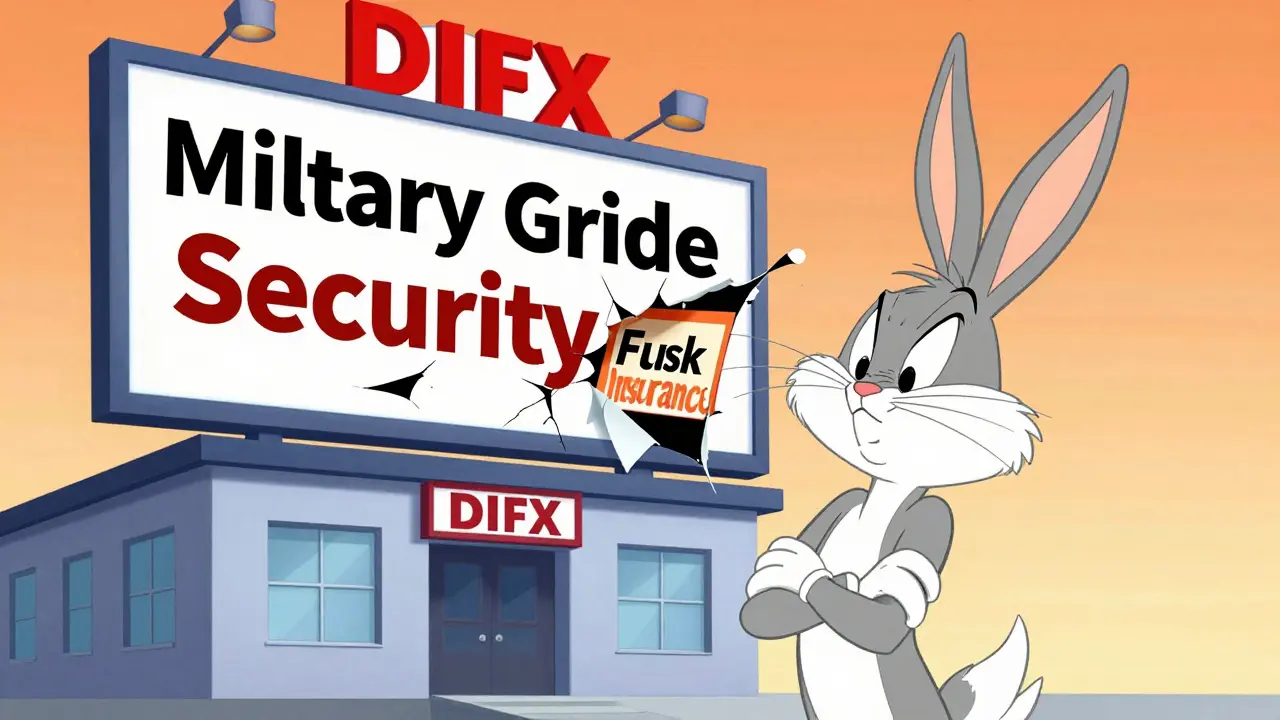
You want to trade crypto without losing your shirt. That’s why you’re looking at DIFX, a platform that promises military-grade security and full insurance for your assets. But here is the hard truth: promising safety isn’t the same as being safe. In a market where scams and shady platforms pop up daily, you need to look past the marketing hype. This review cuts through the noise to tell you exactly what DIFX is, who runs it, and whether your money is actually secure.
I’ve spent weeks digging into the background of this exchange. I looked at regulatory filings, user complaints, and independent audits. What I found was a mix of bold claims and serious red flags. If you are thinking about depositing funds, read this first. Your financial health depends on knowing the difference between a legitimate broker and a risky gamble.
What Is DIFX?
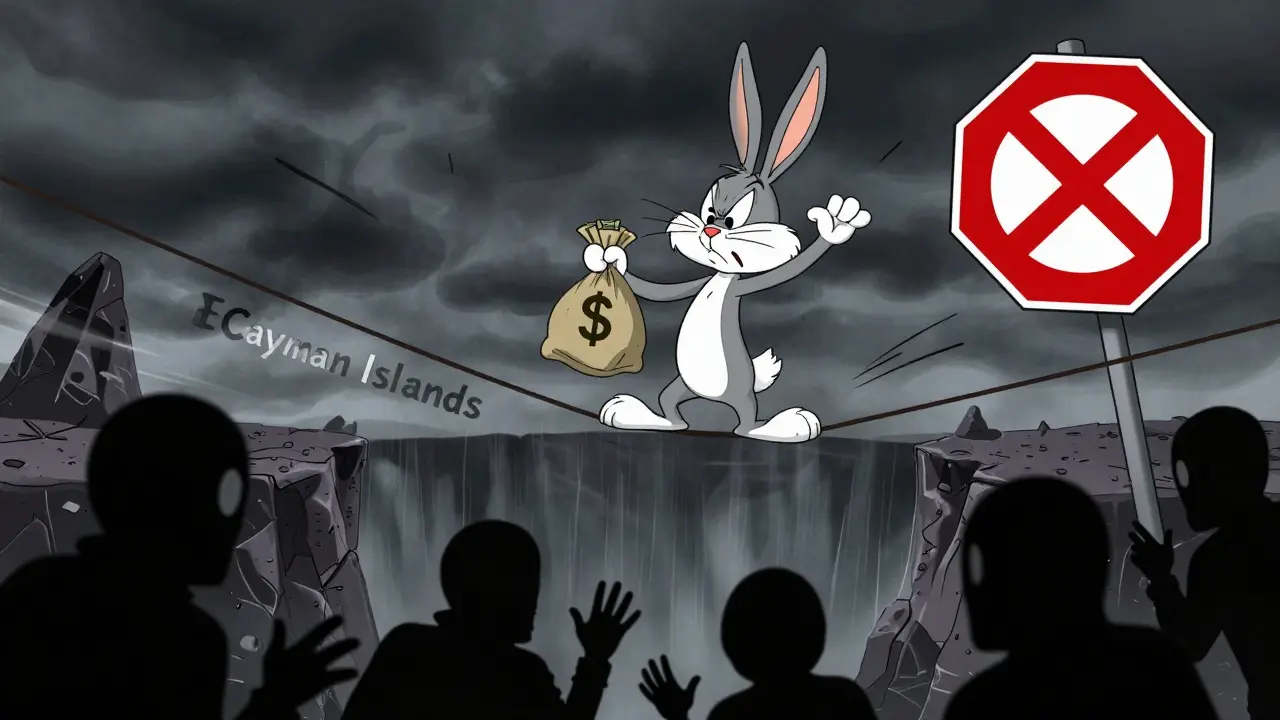
DIFX (Digital Financial Exchange) is a centralized cryptocurrency trading platform founded in 2021. It positions itself as a "fully insured" exchange that supports not just crypto, but also stocks, commodities, and indices. The company is headquartered in the Cayman Islands, a jurisdiction known for lax financial regulations compared to places like the US or EU.
The platform launched during the 2021 crypto boom, a time when many exchanges rushed to market with little oversight. DIFX offers mobile apps for iOS and Android, plus a web-based trading interface. They claim to offer features like biometric access, two-factor authentication (2FA), and cold storage for cryptocurrencies. On paper, these sound like standard security measures. However, the devil is in the details-and specifically, who verifies those claims.
The Safety Red Flags You Can’t Ignore
This is the most critical part of my analysis. When it comes to choosing an exchange, trust is everything. And right now, DIFX fails the basic trust test according to several independent watchdogs.
- Traders Union Warning: In September and October 2025, Traders Union, a respected comparison site for financial services, explicitly stated that DIFX is "not a safe and trusted company." They analyzed over 100 parameters including domain stability, user reviews, and customer loyalty. Their verdict was clear: stay away.
- Lack of Regulatory Transparency: While DIFX claims to be "fully insured," there is no public record of which insurance provider backs this claim. Legitimate exchanges like Coinbase or Kraken publish their insurance details and regulatory licenses. DIFX does not.
- Cayman Islands Jurisdiction: Operating from the Cayman Islands means DIFX is likely outside the reach of major consumer protection laws. If something goes wrong-like a hack or a withdrawal freeze-you have almost no legal recourse. Unlike exchanges regulated by the SEC or FCA, you can’t file a complaint with a government body that will help you get your money back.
- Skepticism in the Community: Reports from sources like Trident Freight note that users are increasingly questioning DIFX’s legitimacy. In the crypto world, community sentiment is often the earliest warning sign of trouble.
If a platform cannot prove its safety credentials independently, you should treat it as high-risk. Period.
Fees and Trading Costs
Let’s talk about what it costs to trade on DIFX. According to Forex.wikibit.com’s 2025 review, DIFX charges a fixed fee of 0.15% for both maker and taker trades. How does this compare?
| Exchange | Maker Fee | Taker Fee | Regulatory Status |
|---|---|---|---|
| DIFX | 0.15% | 0.15% | Unclear / Cayman Islands |
| Binance | 0.10% | 0.10% | Multiple Licenses (Global) |
| Coinbase | 0.40% - 1.49% | 0.40% - 1.49% | SEC Registered (US) |
| Kraken | 0.16% | 0.26% | Highly Regulated (EU/US) |
At first glance, 0.15% seems competitive. It’s lower than Coinbase’s standard rates and comparable to Binance. But low fees mean nothing if you can’t withdraw your profits. Many scam platforms use low fees as bait to attract deposits, only to make withdrawals impossible later. Always weigh cost against security. A slightly higher fee on a regulated exchange is cheaper than losing your entire balance on an unverified one.
Features and User Experience
DIFX tries to appeal to traders who want more than just Bitcoin. Here is what they offer:
- Multi-Asset Trading: You can trade cryptocurrencies, stocks, commodities, and indices. This is unusual for a pure crypto exchange. Most crypto platforms stick to digital assets. Offering stocks and commodities requires different regulatory licenses, which DIFX has not publicly disclosed.
- Quick Buy & QR Login: The app allows instant crypto purchases and uses QR codes for login. This is convenient for casual users but adds complexity to security if your device is compromised.
- Integrations: DIFX claims integration with tax tools like CoinLedger and Koinly, as well as MetaTrader 5. These integrations suggest they are trying to appeal to professional traders. However, without verified security, these features are less valuable.
- Customer Support: They advertise 24/7 live rep support and business hours assistance. But remember: support availability doesn’t equal reliability. If the platform shuts down, no amount of chat support will help you recover funds.
The user interface is described as "user-friendly" by some reviewers. But ease of use shouldn’t distract you from the lack of transparency. A smooth app experience is easy to build; building a trustworthy financial institution takes years of compliance and auditing.
Who Should Avoid DIFX?
I’m going to be direct. You should avoid DIFX if:
- You prioritize capital preservation: If you cannot afford to lose the money you deposit, do not use DIFX. The lack of independent verification makes it too risky.
- You are a beginner: New traders often fall for "fully insured" claims without checking the source. Stick to regulated exchanges like Coinbase, Kraken, or Binance (where available) until you understand how to verify exchange credibility.
- You need legal recourse: If you live in the US, UK, or EU, DIFX offers no consumer protection. If you get scammed, you won’t be able to report it to local authorities effectively.
- You trade large volumes: High-value traders need deep liquidity and proven security. DIFX lacks the market depth and audit history to handle significant capital safely.
Better Alternatives for Safe Trading
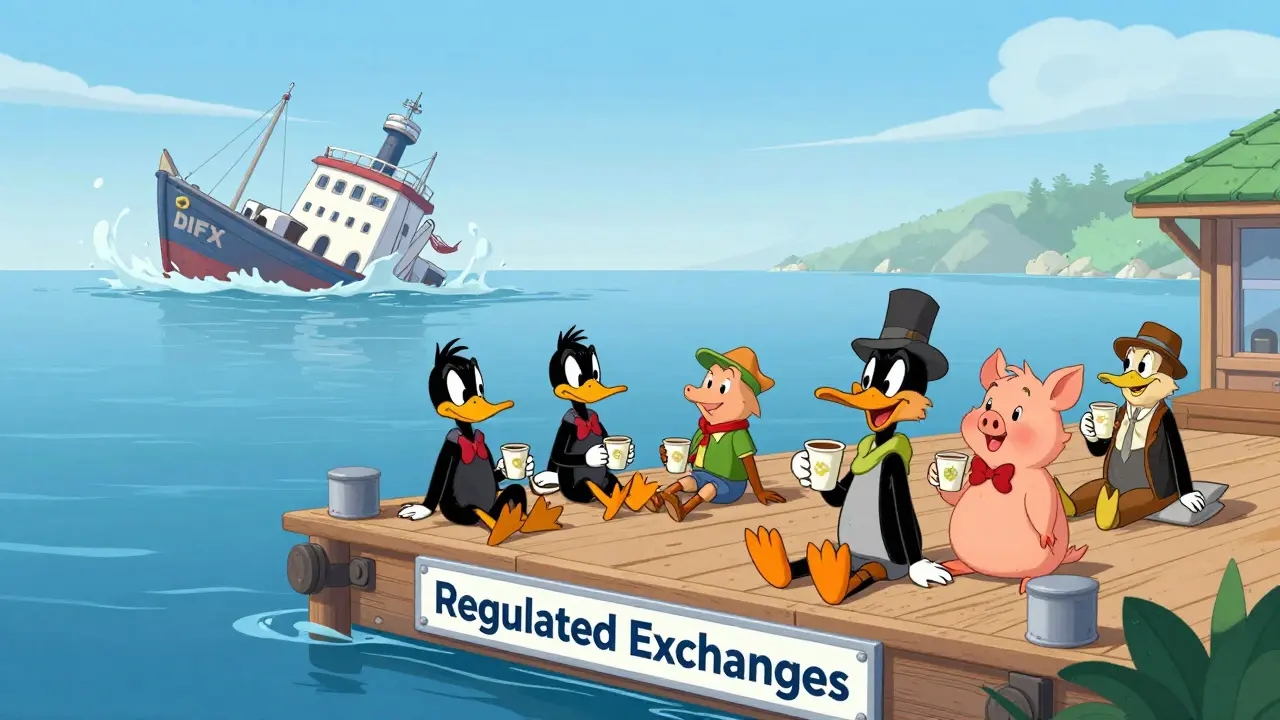
Instead of risking your savings on an unverified platform, consider these established alternatives:
- Coinbase: Best for beginners. Publicly traded company, highly regulated in the US, and offers FDIC-insured USD balances.
- Kraken: Great for security-conscious traders. No history of hacks, transparent proof-of-reserves, and strong regulatory compliance globally.
- Binance: Largest volume in the world. Offers low fees and wide asset selection, though regulatory scrutiny varies by region.
- Bitstamp: One of the oldest exchanges, based in Europe with strict GDPR and financial regulations.
These platforms may charge slightly higher fees or have stricter KYC (Know Your Customer) requirements, but they provide peace of mind. You know exactly who is holding your money and how to get it back.
Final Verdict: Proceed With Extreme Caution
DIFX presents itself as a modern, multi-asset exchange with strong security. But the evidence tells a different story. Independent reviewers like Traders Union have flagged it as unsafe. Its regulatory status is opaque. Its "fully insured" claim is unverified. And its location in the Cayman Islands limits your legal protections.
In the crypto world, trust is earned through transparency, not marketing slogans. Until DIFX provides third-party audits, clear regulatory licenses, and verifiable insurance documentation, I cannot recommend it. There are plenty of safer options available. Don’t risk your hard-earned money on a platform that hasn’t proven it deserves your trust.
Is DIFX a legitimate crypto exchange?
While DIFX operates as a functional platform, its legitimacy is heavily questioned by independent reviewers. Traders Union has labeled it "not a safe and trusted company." Without verifiable regulatory licenses or transparent insurance providers, you cannot confirm its legitimacy beyond doubt. Treat it as high-risk.
Where is DIFX headquartered?
DIFX is headquartered in the Cayman Islands. This jurisdiction is popular for offshore companies due to minimal financial reporting requirements, but it offers little consumer protection for international users.
Are my funds really insured on DIFX?
DIFX claims to be "fully insured," but there is no public evidence of which insurance company provides this coverage. Legitimate exchanges disclose their insurers. Without this information, you should assume your funds are uninsured.
How much does it cost to trade on DIFX?
DIFX charges a flat fee of 0.15% for both maker and taker orders. While this is competitive, low fees do not compensate for the lack of security and regulatory oversight.
Can I trade stocks and commodities on DIFX?
Yes, DIFX advertises trading for stocks, commodities, and indices alongside cryptocurrencies. However, offering these assets typically requires specific financial licenses, which DIFX has not publicly verified. This raises concerns about the legality of these offerings in certain jurisdictions.
Why did Traders Union warn against DIFX?
Traders Union evaluated DIFX using over 100 parameters, including domain stability, user reviews, and customer loyalty. Their analysis concluded that the platform lacks the trustworthiness required for safe trading, citing insufficient transparency and potential safety risks.
What are safer alternatives to DIFX?
Safer alternatives include Coinbase, Kraken, Binance, and Bitstamp. These platforms are regulated in major jurisdictions, undergo regular audits, and have transparent insurance policies. They prioritize user security over aggressive marketing claims.
Does DIFX support two-factor authentication (2FA)?
Yes, DIFX states it supports 2FA and biometric access. However, while 2FA protects your account login, it does not protect your funds if the exchange itself is compromised or insolvent. Platform-level security is equally important.