eTop-Traders Crypto Exchange Review: Risks, Facts & Due Diligence Guide
 Aug, 17 2026
Searching for an eTop-Traders review in 2026 can feel like looking for a needle in a haystack. The platform exists, it has been around since early 2020, and it lists itself as a centralized exchange based in Thailand. But if you dig deeper into independent data, expert ratings, and regulatory records, the picture becomes much blurrier than the homepage suggests. You might find a listing on a major aggregator, but you will likely struggle to find verified user reviews, audited security reports, or clear licensing details from top-tier regulators.
This lack of transparency is not just an inconvenience; it is a risk factor. In the crypto world, opacity often correlates with higher volatility in trust. Before you deposit your hard-earned dollars or baht, you need to understand what is actually known about this venue, what is missing, and how it compares to similar-sounding brands that have already attracted regulatory warnings. Here is the honest breakdown of where eTop-Traders stands as of mid-2026.
What Is eTop-Traders?
eTop-Traders is a centralized cryptocurrency exchange that launched in February 2020 and operates primarily out of Thailand. It offers three main product categories: spot trading, perpetual contracts, and futures. As a centralized entity, it acts as the middleman between buyers and sellers, holding custody of your assets in its own wallets rather than leaving them solely in your self-custody hardware devices.
The platform’s primary jurisdiction is Thailand, which means it theoretically falls under the purview of local financial authorities, such as the Securities and Exchange Commission (SEC) of Thailand. However, unlike major global players like Binance or Coinbase, eTop-Traders does not publish extensive public disclosures about its corporate structure, founding team, or board composition. This makes it difficult to verify who exactly is behind the operation beyond the basic registration details.
The Critical Distinction: eTop-Traders vs. ETOP Brokers
One of the biggest pitfalls when researching this name is confusing the Thai-based crypto exchange with "ETOP" or "ETOP (Hong Kong) Limited." These are different entities, but the name similarity creates significant noise in search results. If you see negative news about "ETOP," pause and check the context.
- eTop-Traders: A crypto-focused exchange in Thailand, active since Feb 2020. No specific regulatory warnings found in major databases as of June 2026, but also no positive high-trust rankings.
- ETOP / ETOP (HK): Multi-asset brokers (forex, CFDs, crypto) operating without clear licenses. Flagged by the Hong Kong Securities and Futures Commission (HK SFC) in November 2023 for unauthorized activity. Rated "High Risk" by independent reviewers like TrueGuard Limited in July 2026.
While there is no verifiable evidence linking the two companies legally, retail traders often mix them up. This confusion is dangerous because it taints the reputation of the Thai exchange with the bad press of the unlicensed HK broker. Always verify the exact legal entity name and domain before opening an account.
Regulatory Status and Licensing Reality
When evaluating any crypto exchange, regulation is your first safety net. For eTop-Traders, the situation is ambiguous. Being based in Thailand implies subject to local laws, but does it hold a specific license to operate a digital asset exchange? The available public data does not clearly list a license number or a direct approval letter from the Thai SEC in its profile summaries.
Major regulators like the UK Financial Conduct Authority (FCA) and the US Commodity Futures Trading Commission (CFTC) advise investors to check official registers. If a firm cannot be found on these registers, it is unlikely they have permission to offer services to residents of those countries. Since eTop-Traders targets a broader audience, including international traders, you should assume it may not be fully licensed in Western jurisdictions unless explicitly stated on their site with verifiable documentation.
| Feature | eTop-Traders | ETOP (HK) Brokers | Top-Tier Global Exchanges |
|---|---|---|---|
| Jurisdiction | Thailand | Hong Kong / Offshore | US, EU, SG, etc. |
| Launch Date | Feb 2020 | Varies | Varies (2017-2019) |
| Regulatory Warning | None specific found | Yes (HK SFC Nov 2023) | No |
| Public User Reviews | Very Few / Opaque | Negative | Thousands / Verified |
| Proof of Reserves | Not Publicly Audited | Unknown | Merkle Tree Attestations |
Trading Products and Fee Structure
eTop-Traders offers standard crypto instruments: spot pairs, perpetual swaps, and dated futures. This setup appeals to traders who want leverage without committing to a specific expiration date (perps) or those who prefer fixed-term contracts (futures). However, the fee schedule remains largely undocumented in independent sources.
Most centralized exchanges use a maker-taker model. Without published rates, you cannot accurately calculate your trading costs. For example, if the maker fee is 0.1% and the taker fee is 0.2%, a day trader making 10 round trips could pay 4% of their position value in fees alone. Compare this to major competitors where volume discounts can drop fees below 0.05%. Until eTop-Traders publishes a clear, static fee table on their website, treat all cost estimates as speculative.
Security and Transparency Gaps
Security is not just about preventing hacks; it is about operational integrity. Does eTop-Traders use cold storage? What percentage of funds are held offline? Do they run a bug bounty program? As of mid-2026, none of these metrics are publicly disclosed in a verifiable format.
Larger exchanges regularly publish Proof of Reserves (PoR) attestations, allowing users to verify that the exchange holds enough stablecoins to cover customer deposits. The absence of such reports for eTop-Traders means you are relying entirely on the company's word. In a market where even large players have faced insolvency issues, this lack of third-party verification is a significant red flag for conservative investors.
How to Vet eTop-Traders Before Depositing
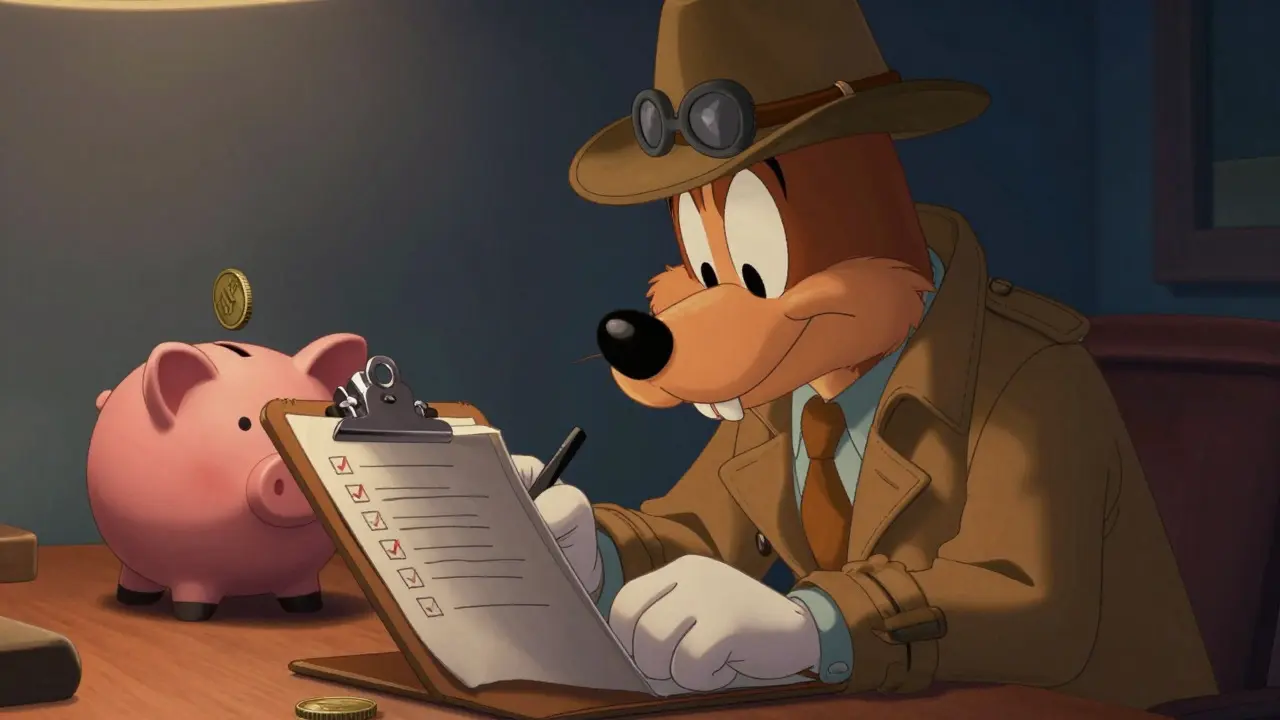
If you still decide to try the platform, do not go in blind. Follow this due diligence checklist to protect yourself:
- Verify the Domain: Ensure you are on the official site. Check the SSL certificate and look for typosquats. Confusing eTop-Traders with an ETOP scam site is easy.
- Check Local Regulations: Visit the Thai SEC website and search for registered digital asset business operators. Confirm if eTop-Traders appears on the approved list.
- Test Small Withdrawals: Deposit a small amount (e.g., $50-$100) and immediately attempt a withdrawal. Monitor the speed and any hidden fees. If the first withdrawal takes more than 24 hours or incurs unexpected charges, exit while you can.
- Monitor Support Response: Open a ticket asking about fee structures or API limits. Note the response time. Slow or generic replies indicate poor operational health.
- Limit Exposure: Keep your allocation to less than 5% of your total crypto portfolio until you have used the platform for at least 3 months without issues.
Frequently Asked Questions
Is eTop-Traders regulated in Thailand?
It is based in Thailand, which implies local oversight, but public data does not confirm a specific license number from the Thai SEC as of June 2026. Traders should verify its status directly on the Thai SEC registry before using it.
Are eTop-Traders and ETOP (HK) the same company?
There is no verifiable evidence linking them. eTop-Traders is a Thai crypto exchange launched in 2020, while ETOP (HK) is a multi-asset broker flagged by the HK SFC for operating without authorization. They share a similar name but appear to be distinct entities.
What are the trading fees on eTop-Traders?
Independent sources do not list specific maker or taker fees. The exchange likely uses a standard maker-taker model, but you must check their live fee schedule for accurate percentages, as they are not widely documented in third-party reviews.
Does eTop-Traders offer proof of reserves?
As of mid-2026, there are no publicly indexed proof-of-reserve audits or Merkle tree attestations for eTop-Traders. This lack of transparency makes it harder to verify solvency compared to larger, established exchanges.
Is eTop-Traders safe for long-term holding?
Given the limited public history, lack of audit reports, and name confusion with high-risk brokers, many experts recommend limiting exposure. For long-term holdings, consider moving assets to a self-custody wallet after buying, rather than keeping them on the exchange indefinitely.
Gary Straiton
August 18, 2026 AT 20:50Oh, the audacity! The sheer nerve of a 'Thailand-based' exchange thinking they can dangle their wares in front of us American patriots without first proving their worth to Uncle Sam!
It is an affront to our financial sovereignty, a blatant disregard for the superior regulatory frameworks we have built with such blood, sweat, and tears.
Why would any sensible citizen trust their hard-earned dollars to some obscure server farm in Bangkok when we have the gold standard right here at home?
It reeks of foreign interference, doesn't it? A subtle way to siphon off our crypto wealth before the next election cycle.
You think Binance is bad? Wait until you see what these offshore operators do with your data once they cross the border.
We need to protect our borders, not just physically but digitally!
This platform is a Trojan horse for globalist money laundering schemes.
Keep your coins on US soil or lose them to the gray markets forever.
It is a national security risk disguised as a trading opportunity.
Who is auditing these books? The Thai SEC? Please.
They are likely just a shell company for who knows which shadowy interests.
We must remain vigilant, my friends, always vigilant.
Do not let your guard down for the sake of convenience.
Convenience is the enemy of security!
Stay true to the flag and stay away from eTop-Traders.
alex fordy
August 20, 2026 AT 04:40Wow, that was intense! 😂 But honestly, the point about checking the domain is so crucial. I got burned by a typosquat site last year because I was in a hurry. Always double-check the SSL cert, folks. It’s a small step that saves so much headache later. 🙌
Nia Franklin
August 20, 2026 AT 05:44!! Oh my gosh, this post is like a lifeline!!! I was literally about to deposit my entire savings into this place yesterday!! The fact that they dont even have proof of reserves?! How did i miss that?! Its so scary how opaque these places can be!! Thank you for breaking it down so clearly!!! I feel like i finally understand why people keep getting scammed!! It is not just about the fees, its about the TRUST!!! And trust is so fragile in this market!!! I am going to read that checklist over and over again!! Maybe even print it out!! Who knows?? At least now i know to test a small withdrawal first!!! That is genius!!! So simple yet so effective!! I cant believe i never thought of that before!!! Thanks a million!!! 🌟🌟🌟
Mohamed Shoaeb
August 20, 2026 AT 12:32pretty good breakdown man. i mostly trade spot so the fee thing hits me hard. if they hide the rates then its a no go for me. better safe than sorry i guess. chill vibes only.
Daniel Brown
August 21, 2026 AT 09:27You're missing the bigger picture here. It's not just about the fees or the license; it's about the geopolitical implications of holding assets on a non-US entity. Your data is subject to local laws that might not align with your expectations of privacy. Think about where your keys are stored. If the government decides to freeze accounts, will you have recourse? Probably not. It's a trap for the unwary.
Darren Moon
August 22, 2026 AT 06:30One observes with a certain weary resignation that the retail investor remains, despite decades of financial education, fundamentally incapable of distinguishing between a regulated entity and a fly-by-night operation. The concept of 'due diligence' is lost on those who seek quick riches through leverage. The absence of Proof of Reserves is not merely a technicality; it is a fundamental breach of fiduciary duty in the modern digital asset landscape. To proceed without such verification is to engage in a speculative act devoid of rational basis. One shudders to think of the capital destroyed by such negligence. The market, however, is efficient enough to punish the ignorant, albeit slowly and painfully. Let them learn. The lesson will be expensive, but necessary.
Dianne Ritter
August 22, 2026 AT 17:45I think it's fair to say that while the risks are real, we shouldn't panic either. Just stick to the basics: small deposits, verified domains, and maybe keep most of your stuff in self-custody. It's all about balance, right?
Kate Staab
August 24, 2026 AT 02:38Oh, how quaint. The idea that one should 'test small withdrawals' as if we are children learning to walk. In reality, by the time you realize the withdrawal is stuck, the exit liquidity has vanished. These platforms are designed to make entry easy and exit difficult. It is a moral failing of the industry to allow such opacity to persist. We deserve better. We demand transparency. Until then, it is a gamble, nothing more. And gambling is a vice, don't you agree?
Tasha Davis
August 25, 2026 AT 06:57YES! Exactly! Stop guessing and start checking! It's so easy to get caught up in the hype and forget the basics. Keep it simple, keep it safe, and don't let anyone tell you otherwise! You've got this! 💪
OLIVER CHRISTIAN
August 26, 2026 AT 23:47Great points everyone. For those new to this, here's a quick tip: always look for third-party audits. If an exchange doesn't publish their security protocols or reserve proofs, ask yourself why. Transparency is key. Also, don't be afraid to use smaller amounts until you're confident. It's better to be cautious than regretful. Happy trading!
Teri W
August 28, 2026 AT 19:30This whole situation is just... infuriating. How can we allow companies to operate in such a grey area? It feels like a slap in the face to honest investors. We need stricter regulations, period. No more excuses. The days of 'trust us' are over. Time for accountability. Now, isn't that something? Or am I just being dramatic? Probably. But it needs to be said!
Leah Humphrey
August 29, 2026 AT 17:30The lack of standardized reporting in the CEX sector is a systemic issue. Without unified disclosure requirements, consumer protection remains fragmented. It's inefficient and costly for end-users to perform individual due diligence on every venue. We need institutional-grade oversight, not just peer reviews.
Rod Sidoroff
August 31, 2026 AT 03:38Let us be clear. The average trader does not care about Merkle trees. They care about yield. And if eTop-Traders offers higher yields, they will flock there regardless of the regulatory status. It is human nature. Greed drives the market. The rest of us, with our 'due diligence' checklists, are merely spectators watching the dance. Enjoy the show. It will end badly for someone. Likely the uninformed masses. As it should. The strong survive. The weak... well, they learn too late. A pity, really. But inevitable.
Patrick Quairoli
September 2, 2026 AT 02:41its all part of the big plan bro. the thai sec is just a puppet for the deep state. they want to track your transactions so they can tax you into oblivion. i told you guys this back in 2021. nobody listened. now look at us. trapped in a web of surveillance capitalism. eTop-traders is just the latest node in the network. wake up sheeple. buy the dip in privacy coins instead. thats the only way out. #freedom #crypto #truth
Zothana Pachuau
September 2, 2026 AT 02:56Oh, brilliant analysis. Truly, the depths of your insight are staggering. Did you perhaps consider that maybe, just maybe, the reason there are no reviews is because nobody uses it? Or is that too complex for the 'experts'? Anyway, thanks for the free marketing. Much appreciated. 🙄
Linda Leeuwesteijn
September 2, 2026 AT 04:03Love this post! 📚 It's so important to share info like this. I'm sharing it with my study group tonight. Let's all stay safe out there! 🛡️✨
Shawn Schaerer
September 3, 2026 AT 02:23It is imperative that we interrogate the very foundation of centralized exchange trust. Is the custodial model inherently flawed? Perhaps. But until a viable alternative emerges, we must mitigate risk. The question is not whether to use eTop-Traders, but rather, what are the specific vectors of failure? Liquidity? Counterparty? Regulatory? Address each systematically. Do not rely on emotion. Rely on data. The market rewards precision. Punishes ambiguity. Be precise. Be aggressive in your defense of capital. Do not hesitate. Act now. The window of opportunity narrows daily. Seize it. Or lose it. There is no middle ground. Choose wisely.
Hicham Mounir
September 4, 2026 AT 16:00Hey there, friend. Just wanted to say, take it easy. Crypto can be stressful, especially with all the news flying around. You don't have to make big decisions today. Maybe just read up a bit more, talk to a buddy, and see how you feel. There's no rush. Your money is yours to manage, and it's okay to wait until you feel totally comfortable. We're all in this together, trying to figure it out. Hang in there! 🌱
Phelan Deihl
September 5, 2026 AT 03:24quietly reading this... good info. i usually just stick to coinbase but its nice to see other options analyzed. thanks for posting.
Ami Elizabeth
September 7, 2026 AT 02:37honestly idk why ppl stress so much about licenses. if the prices are good, the price is good. just trade and move on. dont overthink it. its just numbers on a screen anyway lol.
michelle aguilar
September 8, 2026 AT 21:54Well, actually, if you had bothered to read the fine print, you would have noticed the distinction between 'licensed' and 'registered'. It is a subtle but critical nuance, isn't it? Most people miss it. They are simply not paying attention. Or perhaps they lack the intellectual capacity to grasp the legal intricacies. Either way, it is frustrating dealing with the general public. They just want shortcuts. They don't want to work. It is exhausting. But I suppose someone has to set the record straight. Even if no one listens. Especially if no one listens. Because truth matters. Doesn't it? Or am I just talking to myself? Probably. But it feels good to say it. Out loud. Finally.
Lance Konig
September 9, 2026 AT 04:23Let's be real. The 'review' genre is dead. Everyone writes the same fluff. This one is different though. It gets to the heart of the beast. The name confusion alone is a masterclass in marketing disaster. I bet the founders didn't even check the trademark database. Amateur hour. But hey, if you can handle the risk, go for it. Just don't blame us when it goes sideways. We warned you. Subtly. But we warned you.
Dina Lazarova
September 10, 2026 AT 11:24One must acknowledge the inherent bias in such reviews. The author clearly favors established institutions. However, the data presented is robust. The comparison table is particularly useful for visual learners. It simplifies complex regulatory landscapes into digestible chunks. A testament to good editorial design. Nevertheless, the conclusion remains subjective. Risk is relative. What is high risk for one may be acceptable for another. Context is king. Do not overlook the individual circumstances of the trader. Generalizations are dangerous tools in finance. Use them with caution. Or better yet, avoid them entirely. Seek personalized advice. That is the only truly safe path. Everything else is speculation dressed up as fact.
Walker Perry
September 12, 2026 AT 07:20THAI EXCHANGE?! HAHAHA! LOOK AT THAT! THEY THINK THEY CAN SELL TO AMERICANS WITHOUT PAYING TARIFFS ON THE DATA FLOW! ITS A SCAM! THE GOVERNMENT IS IN ON IT! CHECK THE SERVER LOCATIONS! THEY ARE PROBABLY IN CHINA ANYWAY! WAKE UP SHEEPLE! BUY GOLD! BUY SILVER! STAY AWAY FROM THE DIGITAL GRIFT! THE FED IS PRINTING MONEY AND THESE FOREIGNERS WANT A CUT OF OUR PIE! DEFEND THE HOME TURF! NO MORE OFFSHORE LEAKAGE! SEIZE THE MEANS OF CRYPTO PRODUCTION! NOW! IMMEDIATELY! DO NOT DELAY! THE CLOCK IS TICKING! THE ENEMY IS AT THE GATES! LOCK YOUR VAULTS! BURY YOUR BITCOIN! TRUST NO ONE! ESPECIALLY NOT THOSE IN BANGKOK! THEY ARE ALL CONSPIRING AGAINST YOU! READ BETWEEN THE LINES! OR RATHER BEYOND THEM! INTO THE SHADOWS! WHERE THE REAL TRUTH LIVES! DON'T LET THEM STEAL YOUR SOUL WITH THEIR SPOT PAIRS! RESIST! RESIST! RESIST!