What is OPEN Ticketing Ecosystem (OPN) Crypto Coin?
 Oct, 1 2026
Imagine buying a concert ticket that can’t be faked, resold at absurd markups without your knowledge, or lost in a digital limbo. That’s the promise behind OPEN Ticketing Ecosystem, known by its ticker OPN. It’s not just another meme coin chasing hype; it’s a utility token powering a real-world infrastructure for event access. If you’ve ever been burned by a scalper or confused by a confusing resale platform, this might be the fix.
The core idea is simple: use blockchain to make tickets transparent and secure. But how does a tiny token with a market cap under $2 million actually change an industry dominated by giants like Ticketmaster? Let’s break down what OPN is, where it came from, and whether it has any legs beyond the buzzwords.
From GET Protocol to OPEN: The Rebrand Explained
You might remember GET Protocol. It was one of the earlier attempts to put event tickets on the blockchain. In June 2026, the project underwent a significant shift. They didn’t just tweak the logo; they rebranded entirely to OPEN Ticketing Ecosystem and migrated their token from the old GET smart contract to a new one. This wasn’t a cosmetic update. The move signaled a pivot from a niche protocol to a broader ecosystem play, aiming to position itself as "the home of on-chain ticketing."
This transition matters because it resets the narrative. While GET had issued over 5 million on-chain tickets globally, the rebrand to OPN aims to attract new integrators-ticketing platforms, artists, and event organizers-who want more control over their sales. The new token structure is designed to be the economic backbone of this system, meaning every ticket sold isn’t just a PDF; it’s backed by OPN tokens sourced from the open market.
How OPN Works: The Ticketing Flow
Here is where things get technical but stay practical. In traditional ticketing, you buy a ticket, and the money goes to the organizer and the platform. In the OPEN ecosystem, the flow is different. When an integrator wants to issue tickets, they must acquire OPN. This isn’t optional; it’s a requirement. Each ticket issued requires a specific amount of OPN to be locked or used, effectively tying the value of the ticket to the token.
Once the event cycle ends, those tokens don’t just disappear. They are redistributed. A portion flows to OPN stakers, another part goes to the Ticketing Revolution DAO for governance, and the rest supports the OPEN treasury. This creates a feedback loop: more events mean more ticket issuances, which means more OPN usage, which rewards long-term holders and voters. It turns ticket buyers and sellers into stakeholders in the network’s success.
Multi-Chain Strategy: Ethereum, Base, Solana, and Polygon
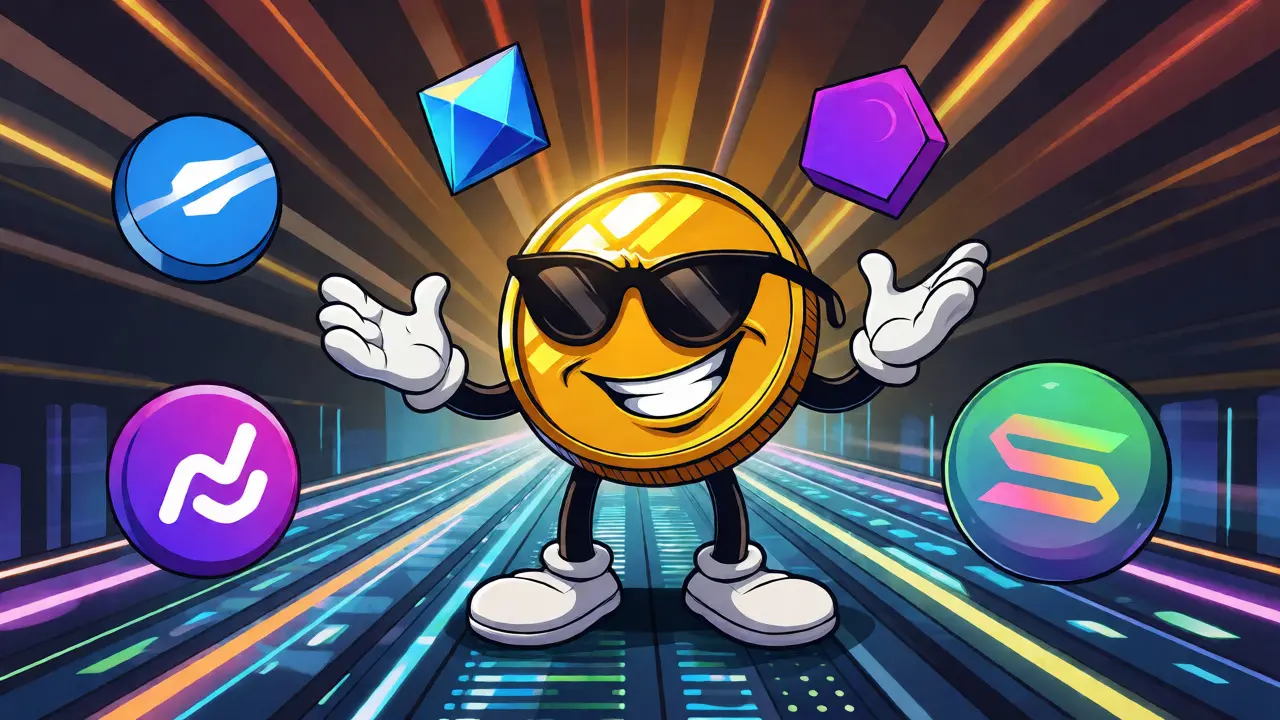
One of OPN’s strongest selling points is its flexibility. It doesn’t force everyone onto Ethereum mainnet, where gas fees can eat up small transactions. Instead, OPN is deployed across four major networks:
- Ethereum: The canonical chain for high-value security.
- Polygon: For lower-cost transactions and broader adoption.
- Base: Leveraging Coinbase’s Layer 2 for fast, cheap interactions.
- Solana: Catering to users who prefer speed and low latency.
This multi-chain approach reduces dependency on any single network’s congestion issues. For an event organizer hosting a global festival, this means they can choose the chain that best fits their audience’s wallet preferences and fee tolerance. It also mitigates risk-if one network faces downtime or high fees, the ecosystem remains operational on others.
Tokenomics: Supply, Circulation, and Value
Let’s look at the numbers. As of late 2024 and into 2026, reports indicate that the total supply of OPN is capped at approximately 22.93 billion tokens. Crucially, nearly 100% of this supply is already in circulation. There are no massive locked tranches waiting to dump on the market later, which is a common pain point for many crypto projects. This fixed supply model suggests that price movements will be driven primarily by demand for ticketing services rather than inflationary emissions.
However, the price action tells a cautionary tale. From December 2024 to September 2026, OPN saw a significant decline, dropping roughly 86% from around $0.000376 to about $0.000052. With a market cap hovering around $1.2 million, it sits deep in the micro-cap tier. Daily trading volumes are often under $400, which means liquidity is thin. A single large trade can move the price significantly, so investors need to be aware of slippage risks when buying or selling.
| Metric | Value / Detail |
|---|---|
| Central Entity | OPEN Ticketing Ecosystem (OPN) |
| Total Supply | ~22.93 Billion Tokens |
| Circulating Supply | ~100% (Fully Circulated) |
| Supported Chains | Ethereum, Base, Solana, Polygon |
| Governance Body | Ticketing Revolution DAO |
| Primary Utility | Backing On-Chain Tickets |
Governance and Staking: Who Calls the Shots?
Owning OPN isn’t just about speculation; it’s about participation. The project uses a Decentralized Autonomous Organization (DAO) called the Ticketing Revolution DAO. If you stake your OPN, you gain voting rights. These votes help decide the direction of the ecosystem, including how treasury funds are allocated and which features get prioritized for development.
This structure aligns incentives. Instead of a centralized company making all the decisions, the community guides the ship. For event organizers, this could mean having a say in how the platform evolves to better serve their needs. For token holders, it offers a passive income stream through staking rewards derived from ticketing activity. It’s a classic Web3 model applied to a very physical industry: live events.
Risks and Reality Check
Is OPN a safe bet? Probably not in the traditional sense. It’s a high-risk asset. The price drop of 86% over two years highlights the volatility inherent in micro-cap tokens. Liquidity is the biggest concern here. With daily volumes sometimes dipping below $150, exiting a large position could be difficult without impacting the price. Furthermore, while the technology works-evidenced by 5 million+ tickets issued-adoption by major global ticketing platforms remains the hurdle. Competing against entrenched incumbents with billions in marketing budgets is tough.
Also, regulatory clarity for on-chain assets in the ticketing space is still evolving. Integrators need to navigate local consumer protection laws alongside blockchain compliance. The rebrand shows active development, but the lack of detailed public roadmaps or user reviews makes it hard to gauge true satisfaction levels among current users.
Who Should Pay Attention?
If you’re a casual investor looking for quick flips, the low volume might frustrate you. But if you’re an event tech enthusiast, a developer building on-chain applications, or someone who believes in decentralizing the secondary ticket market, OPN offers a unique angle. It’s not trying to replace Bitcoin; it’s trying to fix a broken industry workflow. Whether it succeeds depends on whether major festivals and venues decide to integrate OPEN tooling over existing solutions.
Is OPN the same as GET Protocol?
Yes and no. OPN is the successor to GET Protocol. The project rebranded in June 2026 and migrated to a new smart contract. While the underlying infrastructure evolved from GET, OPN represents a refreshed brand and updated token economics aimed at expanding the ecosystem.
Why do I need OPN to buy a ticket?
In the OPEN ecosystem, ticket issuance requires OPN. Integrators must purchase OPN from the open market to back each ticket they issue. This ties the economic value of the ticket directly to the token, ensuring that ticket creation consumes network resources and rewards ecosystem participants.
Which blockchains support OPN?
OPN is multi-chain and available on Ethereum, Base, Solana, and Polygon. This allows users and developers to choose the network that best suits their needs regarding transaction speed, cost, and wallet compatibility.
Is OPN liquid enough for trading?
Liquidity is currently low. Daily trading volumes have recently ranged between $130 and $400. This means large trades may cause significant price slippage. It is listed on exchanges like Bybit, LBank, and Uniswap V3, but it is considered a micro-cap asset with limited depth.
What is the Ticketing Revolution DAO?
It is the governance body of the OPEN ecosystem. Users who stake OPN receive voting rights within the DAO, allowing them to influence decisions on treasury allocation, feature development, and overall strategic direction of the ticketing platform.