RUNE.GAME Airdrop: Details, History & What Happened to the $70k Campaign
 May, 10 2026
It looks like you are too late. The RUNE.GAME airdrop is closed.
If you just stumbled upon this title because you heard about a massive payout opportunity in blockchain gaming, I have some bad news and some good news. The bad news? You missed the boat on the specific RUNE.GAME x CoinMarketCap campaign that promised up to $70,000 in prizes. That event ended back in September 2021. The good news? Understanding exactly how that campaign worked gives you a crystal-clear blueprint for spotting legitimate opportunities in today’s GameFi landscape, while avoiding the traps that caught many off guard.
We aren't here to dwell on what we can't change. We are here to dissect the anatomy of one of the most notable early play-to-earn marketing campaigns. By breaking down the mechanics, the requirements, and the aftermath of the Rune airdrop, you’ll learn how to evaluate similar projects that might pop up in your feed tomorrow.
The Anatomy of the RUNE.GAME x CoinMarketCap Campaign
To understand why this airdrop mattered, we have to look at the context. In 2021, the concept of "play-to-earn" was exploding. Players were realizing they could own their digital assets-swords, skins, characters-and trade them for real money. CoinMarketCap, the giant data platform everyone uses to track crypto prices, decided to jump into this wave by partnering with emerging games.
RUNE.GAME was one of those partners. It positioned itself as a Massively Multiplayer Online (MMO) game where players didn't just rent gear; they owned it via Non-Fungible Tokens (NFTs). The collaboration wasn't just a handshake; it was a structured distribution event designed to drive user adoption.
| Metric | Value |
|---|---|
| Total Prize Pool | $70,000 USD |
| Number of Winners | 1,000 participants |
| Average Reward per Winner | $70 USD |
| Primary Reward Type | RUNE NFTs & In-game Items |
| Campaign End Date | September 8, 2021 |
| Blockchain Network | Binance Smart Chain (BSC) |
The math behind the prize pool tells an interesting story. With $70,000 split among 1,000 winners, the average payout was $70. However, the rewards weren't cash handed over in envelopes. They were distributed through NFTs and in-game item drops. This means the actual value you received depended on the market price of those specific NFTs at the time of transfer and your ability to sell them later.
How You Had to Qualify: The Task Checklist
You couldn't just click a button and get rich. The campaign required significant social engagement. This is standard for airdrops, but the volume of tasks here was high. The goal was simple: maximize reach across social media channels to build a community before the game even fully launched its major features.
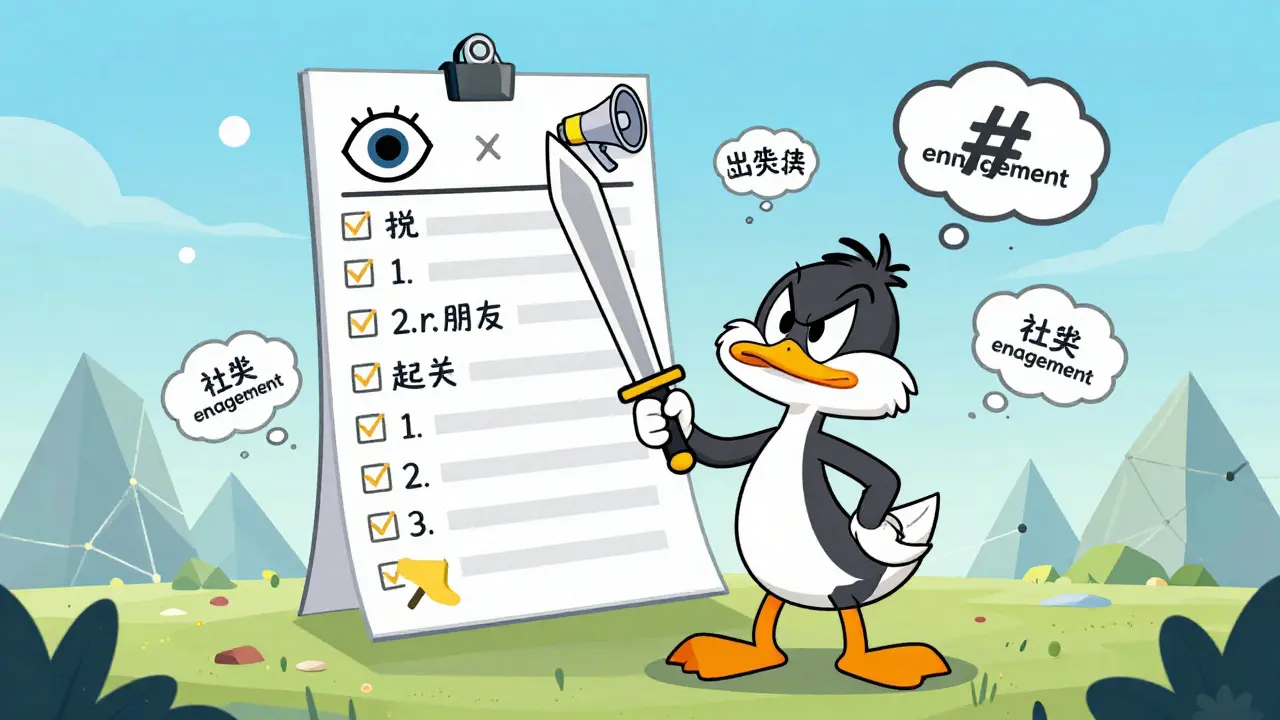
If you were participating in 2021, here is what your checklist looked like:
- Add to Watchlist: You had to add the RUNE token to your personal watchlist on CoinMarketCap. This signaled interest to the platform's algorithms.
- Twitter Engagement: You needed to follow the official account @RuneMMO. Then, you had to like and retweet the official announcement tweet.
- The Tagging Requirement: Here’s where it got tricky. You had to tag at least three friends in your retweet. This viral loop forced users to bring new eyes to the project.
- Hashtag Usage: Your post needed specific tags: #BSC, #BSCgems, #playtoearn, and #Binance. These tags helped the campaign trend within the Binance Smart Chain ecosystem.
- Community Joining: You had to join the Rune Telegram group and the Discord server. This moved you from a passive viewer to an active community member.
- Newsletter Subscription: Signing up for their email list was mandatory, ensuring they could communicate directly with you later.
- Optional Step: Visiting rune.game was encouraged but marked as optional for qualification purposes.
Why so many steps? Because in the world of crypto marketing, attention is currency. Every retweet, every join, and every watchlist addition increased the project's visibility score. For a new game trying to stand out against hundreds of competitors, this organic growth was invaluable.
Why Binance Smart Chain (BSC) Mattered
You might wonder why the hashtag #BSC was so prominent. The choice of blockchain infrastructure defined the user experience. RUNE.GAME built on the Binance Smart Chain (now known as BNB Chain).
In 2021, Ethereum was congested and expensive. Gas fees could cost more than the value of the in-game item you were trying to buy or sell. BSC offered a different proposition: high throughput and low transaction costs. For a game involving microtransactions-buying a potion, selling a sword, claiming a daily reward-low fees were not just a nice-to-have; they were essential.
This alignment made the game accessible to a broader audience. Players didn't need deep pockets just to interact with the smart contracts. It also meant that when the airdrop NFTs were distributed, transferring them to your wallet was cheap and fast. If this campaign had run on a high-fee network, many of the 1,000 winners might have struggled to claim their rewards without losing half their value in gas fees.
The Aftermath: What Happened to RUNE.GAME?
This is the part most guides skip. They tell you how to enter, but not what happens after. The RUNE.GAME airdrop concluded successfully in terms of execution. Rewards were distributed. But the long-term story is more complex.
The campaign took place during the peak of the initial play-to-earn boom. Enthusiasm was sky-high. Investors and players were pouring money into anything labeled "GameFi." However, the market eventually corrected. Many projects that relied heavily on airdrops and hype struggled to retain users once the free rewards dried up.
RUNE.GAME faced the same challenges as its peers. While the airdrop brought in thousands of new users, sustaining engagement required continuous development, balanced gameplay, and a healthy economy. Post-campaign analysis shows that while the specific airdrop was a success, the long-term viability of such early projects varied significantly. Some adapted and survived; others faded as the market consolidated.
Today, if you visit the original landing pages or check the status of that specific campaign, you will see the message: "The airdrop is closed." This permanence is a key lesson. Airdrops are time-sensitive events designed to create urgency. Once the window closes, it rarely reopens for the same offer.
Lessons for Today's GameFi Hunter
So, what do you take away from a closed door from 2025? You take the framework. When you see a new GameFi project launching an airdrop in 2026, use these criteria derived from the RUNE.GAME case study:
- Check the Platform Partnership: Did a major entity like CoinMarketCap, Binance, or a well-known exchange partner with them? Legitimacy matters. Solo projects carry higher risk.
- Analyze the Blockchain: Is it built on a chain with low fees? If the game requires frequent transactions, high gas fees will kill the user experience. Look for networks like Solana, Polygon, or BNB Chain.
- Understand the Reward Structure: Are you getting tokens or NFTs? If it's NFTs, who sets the price? Can you easily sell them on a secondary market? Liquidity is king.
- Evaluate the Effort vs. Reward: The RUNE.GAME campaign required significant social labor. Calculate your time. If the average payout is $70 and it takes you two hours of tagging friends and joining chats, is it worth your hourly rate?
- Verify the Timeline: Never assume an airdrop is ongoing. Check the official dates. Most campaigns have hard start and end times.
The RUNE.GAME x CoinMarketCap campaign remains a textbook example of how to launch a community-driven incentive program. It showed that combining data platforms with gaming ecosystems could drive massive adoption. While you can't participate in that specific event, understanding its mechanics empowers you to navigate the current landscape with sharper eyes and fewer blind spots.
Is the RUNE.GAME airdrop still open in 2026?
No, the RUNE.GAME x CoinMarketCap airdrop officially closed on September 8, 2021. Any website claiming otherwise is likely a scam. Always verify dates on official channels.
What was the total value of the RUNE.GAME airdrop?
The total prize pool was $70,000 USD, distributed among 1,000 winners. This resulted in an average reward of approximately $70 per participant, paid out in NFTs and in-game items.
Did I need to pay to enter the RUNE.GAME airdrop?
No, the campaign did not require a monetary entry fee. Participation was based on completing social media tasks such as following accounts, retweeting, and joining community channels like Discord and Telegram.
Which blockchain did RUNE.GAME use for its airdrop?
RUNE.GAME operated on the Binance Smart Chain (BSC), now known as BNB Chain. This choice allowed for low transaction fees and faster processing, which is crucial for gaming applications.
Can I still earn RUNE tokens or NFTs from this campaign?
You cannot earn rewards from the 2021 campaign as it is permanently closed. However, RUNE.GAME may have other ongoing promotions or gameplay mechanics. Always check their official social media channels for current updates.