AUSTRAC Crypto Rules: What Australian Traders Need to Know
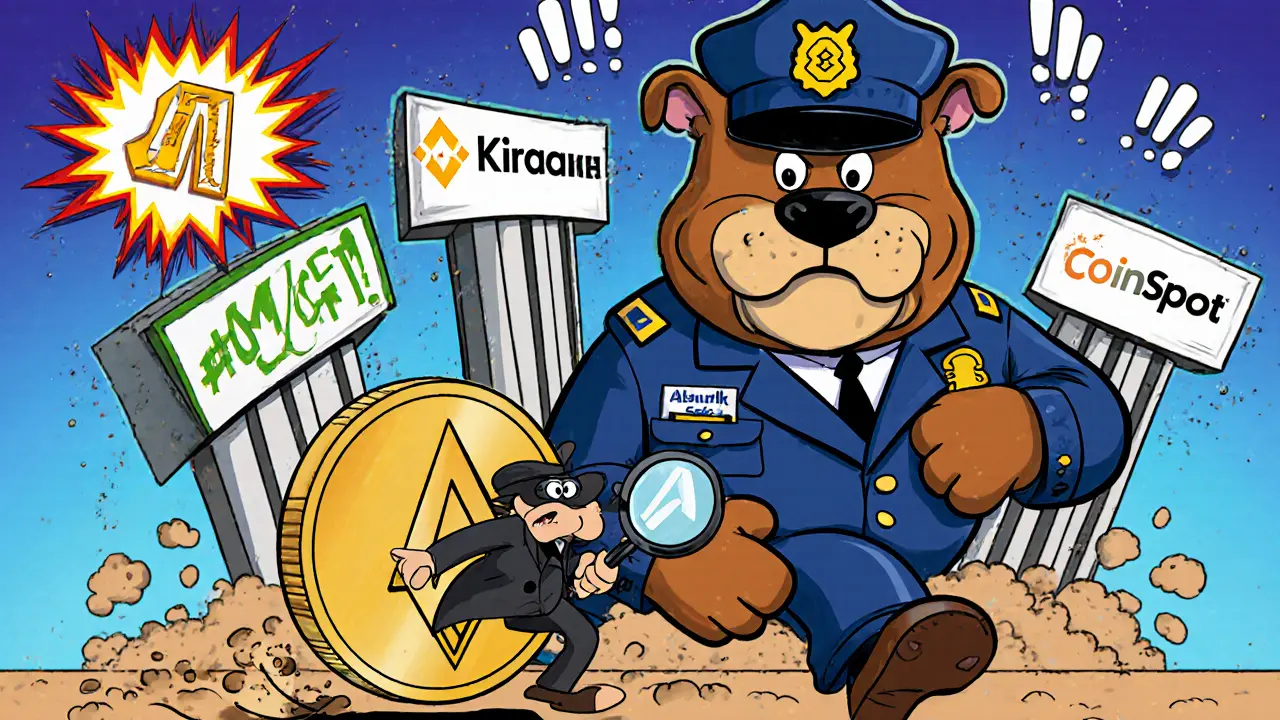
When you trade crypto in Australia, you’re not just dealing with price charts—you’re under the watch of AUSTRAC, Australia’s financial intelligence unit responsible for tracking money laundering and terrorism financing. Also known as the Australian Transaction Reports and Analysis Centre, it’s the agency that makes sure crypto exchanges operating here follow strict anti-money laundering rules. If you’re using Binance, Kraken, or any local platform like CoinSpot, they’re required to verify your identity, track your transactions, and report anything suspicious. It’s not optional. It’s the law.
These rules don’t just apply to exchanges. If you’re running a business that accepts crypto payments, or if you’re moving large amounts between wallets and exchanges, AUSTRAC can still come knocking. They track AML, anti-money laundering systems used by regulated entities to detect suspicious activity patterns, not just big transfers. A series of small transactions designed to avoid reporting thresholds? That’s called structuring—and it’s a red flag. Even if you’re not a criminal, sloppy behavior can trigger a compliance review. And if you’re using an unregistered platform like RDAX.io or AIA Exchange, you’re not just taking a risk—you’re potentially breaking the law.
What does this mean for you? If you’re an Australian trader, you need to know which exchanges are registered with AUSTRAC. Platforms like CoinJar, Swyftx, and Independent Reserve are on the list. Others aren’t. If you’re doing DeFi trades, using non-custodial wallets, or participating in airdrops like BNC or MMS, you still have to report gains to the ATO—but AUSTRAC watches the flow of funds. The two agencies work together. You can’t hide behind anonymity. Even if a project claims to be "privacy-focused," if you’re in Australia, your activity leaves a trail.
Some people think AUSTRAC rules are overreach. But look at what happened with failed projects like Real USD (USDR) or Carboncoin (CARBON). They vanished, leaving investors with nothing. Without proper oversight, these scams thrive. AUSTRAC’s job isn’t to stop innovation—it’s to stop fraud. That’s why they require exchanges to keep records for seven years. That’s why they demand proof of customer identity. It’s not about controlling you—it’s about protecting you from people who want to steal your money.
And it’s not just about exchanges. If you’re using a VPN to bypass restrictions like Iranian traders do, or if you’re trying to hide your activity from local banks, you’re making things harder for yourself. Australian banks are already tightening crypto-related transactions. If AUSTRAC flags your activity, your bank might freeze your account. It’s not a conspiracy—it’s standard procedure.
So what’s next? If you’re trading crypto in Australia, treat compliance like part of your strategy. Use registered exchanges. Keep records of every trade. Know the difference between a legitimate airdrop like DeFiChain’s DFI and a ghost token like ElonTech’s ETCH. Understand that crypto reporting Australia, the process of disclosing crypto transactions to government authorities for tax and compliance purposes isn’t a burden—it’s your shield. The more transparent you are, the less likely you are to get caught in the crossfire when the next scam collapses.
Below, you’ll find real reviews of exchanges that follow AUSTRAC rules, warnings about platforms that don’t, and clear guides on how to stay compliant without overcomplicating your life. No fluff. Just what works—and what gets you in trouble.
Privacy Coins Ban on Australian Crypto Exchanges: What You Need to Know in 2025
Australia doesn't ban privacy coins outright, but exchanges can't list them due to strict AML rules. Learn how Monero, Zcash, and Dash are affected, what alternatives exist, and what changes are coming in 2026.