Crypto Trading Algeria: What You Need to Know About Bitcoin and Crypto in Algeria
When it comes to crypto trading Algeria, the practice of buying, selling, or holding digital currencies like Bitcoin within Algeria’s legal and economic boundaries. Also known as cryptocurrency trading in Algeria, it’s not banned outright—but it’s heavily restricted, monitored, and treated with deep suspicion by authorities. Unlike countries like El Salvador or Switzerland, Algeria doesn’t let you walk into a bank and buy Bitcoin with your dinar. The central bank has declared all cryptocurrency transactions illegal since 2017, calling them a threat to financial stability. But that hasn’t stopped people from trading.
So how do Algerians trade crypto anyway? They use P2P platforms, peer-to-peer marketplaces where users trade directly without a central exchange. Also known as crypto peer trading, these platforms let Algerians swap dinars for USDT or Bitcoin through cash deposits, mobile money, or even in-person meetups. Many rely on VPNs, tools that mask your location to access global crypto exchanges like Binance or Kraken. Also known as crypto bypass tools, they’re essential for accessing services blocked by local ISPs. But here’s the catch: using a VPN isn’t illegal, but if you’re caught trading crypto through one, you could face fines or account freezes. Banks monitor transfers for keywords like "USDT" or "crypto," and many users have lost access to their accounts for suspicious activity.
There’s no official crypto exchange in Algeria. No licensed platform lets you buy Bitcoin with a local card or bank transfer. That means every trade happens in the gray zone—through Telegram groups, WhatsApp networks, or anonymous cash deals. It’s not the same as trading on Coinbase or Bitget. You’re on your own. No customer support. No chargebacks. No protection. One wrong move, and your money vanishes. That’s why scams are everywhere. Fake airdrops, fake wallets, fake exchanges—they all target Algerians who are desperate for financial options outside a failing banking system.
Still, crypto use is growing. With inflation eating into savings and banks limiting withdrawals, Bitcoin and USDT have become unofficial savings tools. People in Algiers, Oran, and Constantine are using crypto to send money to family abroad, buy essentials from international sellers, or protect their wealth from currency devaluation. It’s not about speculation. It’s survival. And that’s why the ban keeps failing. The need is too strong. The rules are too rigid. The technology is too simple.
What you’ll find below are real, verified guides on how Algerians are navigating this landscape. From safe P2P strategies to spotting scams that look like airdrops, these posts cut through the noise. No fluff. No hype. Just what works—and what gets you locked out of your money.
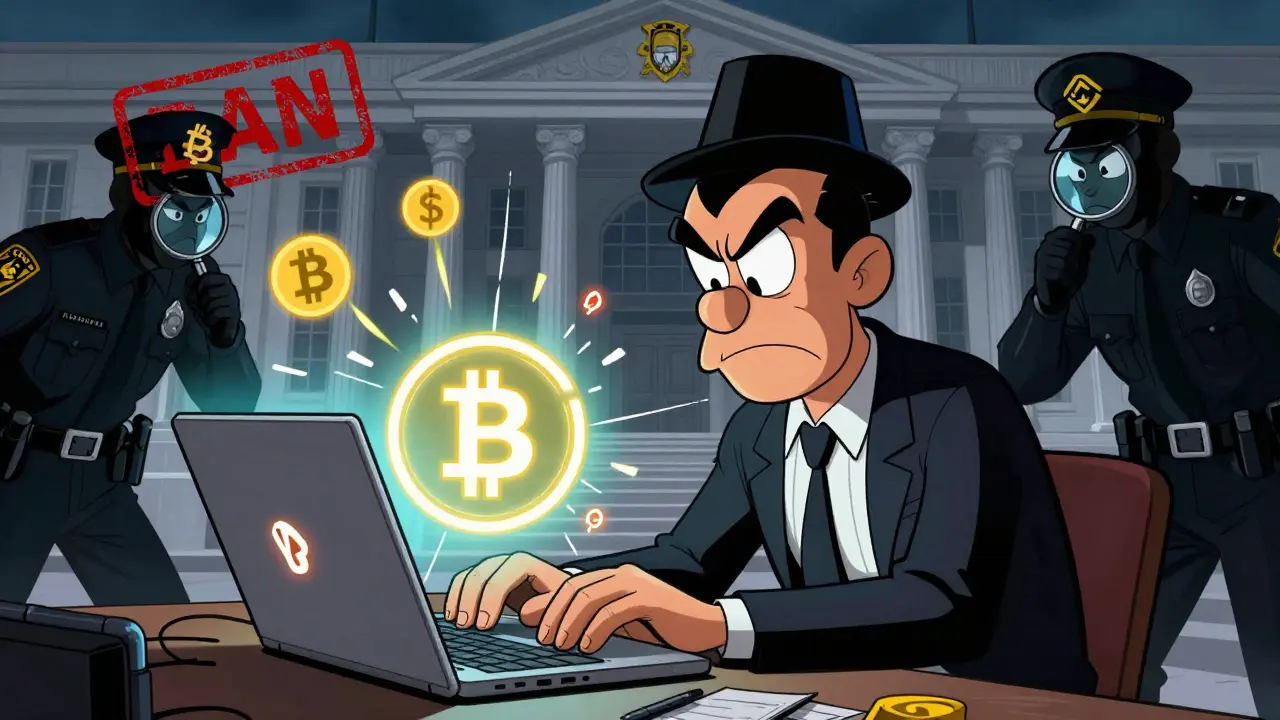
How Algerians Access Cryptocurrency Exchanges Amid Strict Legal Ban
Algeria banned all cryptocurrency activity in July 2025. No legal access to exchanges, wallets, or trading exists. Violations carry prison time and heavy fines. This is how the ban impacts everyday Algerians.