Privacy Coins Australia: What Works, What Doesn't, and Where to Stay Safe
When people in Australia look for privacy coins, cryptocurrencies designed to hide transaction details like sender, receiver, and amount. Also known as anonymous coins, they let you send value without leaving a public trail on the blockchain. It’s not about hiding illegal activity—it’s about protecting your financial privacy. Just like you don’t want strangers tracking every purchase you make, you shouldn’t have to expose your crypto movements to everyone online. But in Australia, the rules around these coins are changing fast, and not all privacy coins are treated the same.
Two names come up most often: Monero, a coin built from the ground up to be untraceable using ring signatures and stealth addresses and Zcash, a coin that lets users choose between transparent and shielded transactions. Monero is the gold standard for true privacy—it doesn’t give you an option to be public. Zcash gives you control, but most users don’t use its shielded mode, making it less private in practice. Other coins like Dash or Pirate Chain get mentioned, but they’re either inactive, low-liquidity, or banned on major Australian-friendly exchanges. The Australian Transaction Reports and Analysis Centre (AUSTRAC) has made it clear: exchanges must monitor and report suspicious activity. That’s why Binance, Kraken, and CoinSpot have quietly removed Monero from their platforms. You can still buy it on peer-to-peer markets like LocalMonero, but you’re on your own for security and compliance.
Why does this matter? Because if you’re using a crypto wallet in Australia and your transaction history is visible, you’re not just leaving data on the blockchain—you’re leaving a trail that could be used against you. Insurance fraud investigations, asset seizures, or even targeted scams can all start with a simple blockchain explorer. Privacy coins aren’t magic—they don’t make you invisible to law enforcement if you’re breaking the law. But they do protect ordinary people from data brokers, hackers, and overreaching surveillance. The real question isn’t whether privacy coins are legal in Australia—it’s whether you’re willing to work around the restrictions to keep your finances private. Below, you’ll find real reviews of exchanges, wallet setups, and projects that actually work for Australians who care about control over their money—not just hype.
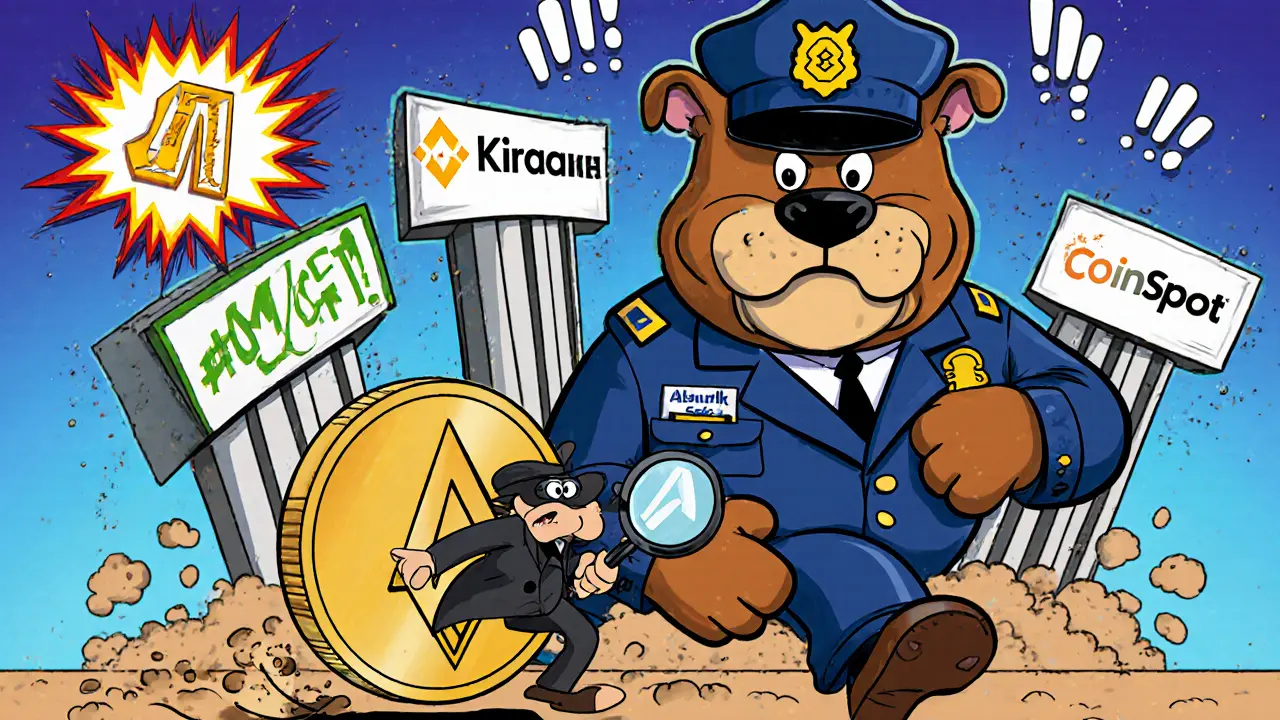
Privacy Coins Ban on Australian Crypto Exchanges: What You Need to Know in 2025
Australia doesn't ban privacy coins outright, but exchanges can't list them due to strict AML rules. Learn how Monero, Zcash, and Dash are affected, what alternatives exist, and what changes are coming in 2026.