Secure Crypto Wallet: How to Protect Your Digital Assets
When you hold cryptocurrency, you don’t just own a number—you own the secure crypto wallet, a digital keyholder that controls access to your coins. Also known as crypto key storage, it’s the only thing standing between your assets and thieves. Without a proper wallet, even the most valuable coins are just data on a screen anyone can copy.
A hardware wallet, a physical device like Ledger or Trezor that stores keys offline is the gold standard for security. It never connects to the internet, so hackers can’t reach it remotely. Compare that to a hot wallet, a software wallet on your phone or computer that’s always online—convenient, yes, but risky. Exchanges like Bitget or RDAX.io may hold your coins for you, but if they get hacked or shut down, you lose access. Your private key must be yours alone.
Most people lose crypto not because of complex hacks, but because they reuse passwords, click fake airdrop links, or store keys in unsecured files. The cold storage, any offline method of keeping crypto keys safe isn’t just for pros. It’s the only way to make sure your Bitcoin, Ethereum, or even obscure tokens like CARBON or LVM aren’t gone tomorrow. Even if you’re just starting, using a hardware wallet or writing down your recovery phrase on paper and locking it in a safe changes everything.
You’ll find real stories below about wallets that failed—like exchanges with no security disclosures, or tokens tied to fake projects that vanished overnight. You’ll also see how privacy coins like Monero and Zcash are affected by exchange bans, and why some airdrops (like MMS or ETCH) are just traps designed to steal your attention—and your keys. This isn’t theory. It’s what happens when people skip the basics. The right wallet doesn’t make you rich. But it keeps you from being broke.
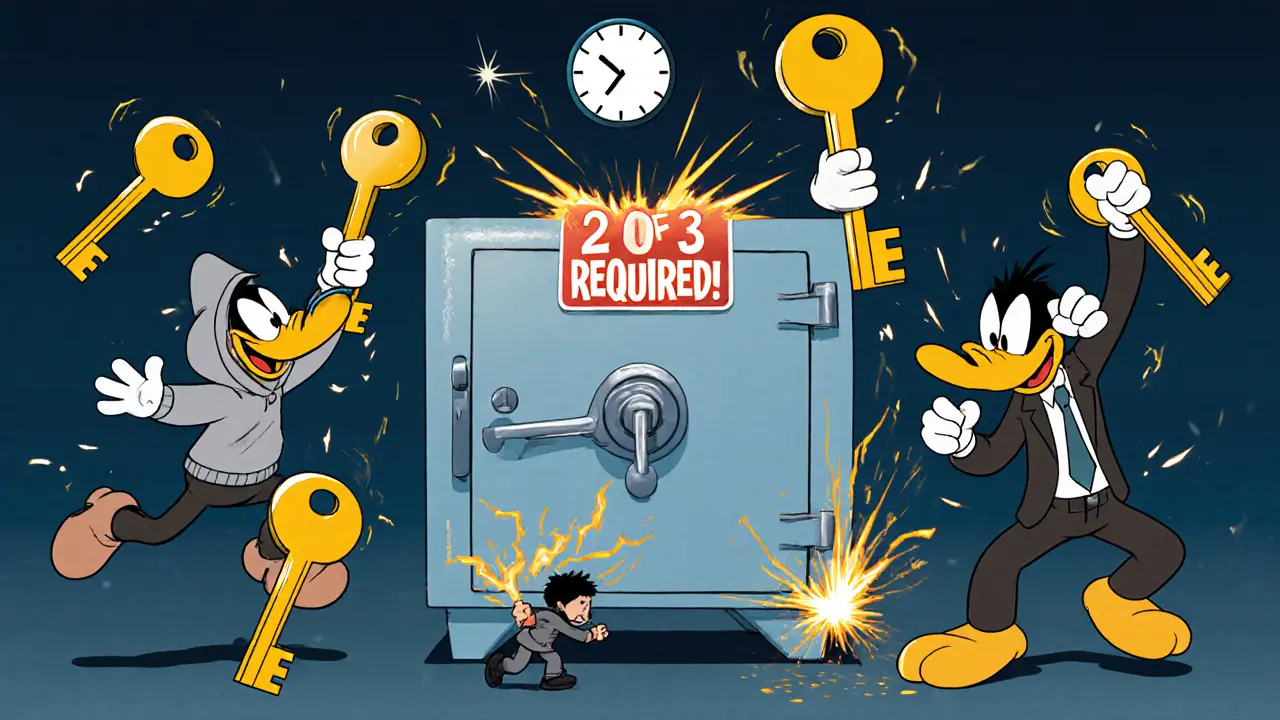
What Are Multi-Signature Crypto Wallets and Why They Matter for Security
Multi-signature crypto wallets require multiple approvals to move funds, making them far more secure than single-key wallets. Used by institutions, DAOs, and serious holders, they prevent theft and internal fraud-but come with added complexity.