What is Batcat (BTC) Crypto Coin? A Realistic Look at the Solana Memecoin
 May, 13 2026
You’ve probably seen a flood of new tokens popping up on your feed, each promising the next big thing. Batcat (BTC) is one of them. It’s not Bitcoin. It’s not even close to being a serious investment vehicle in the traditional sense. It is a community-owned memecoin built on the Solana blockchain, launched in 2024 with a narrative about protecting investors from "villains" in the crypto space.
If you are asking what Batcat actually is, the short answer is: it’s a speculative token driven by internet culture and community sentiment rather than utility or technology. Like many meme coins, its value comes from attention, not algorithms or real-world use cases. Before you consider putting any money into it, you need to understand exactly how it works, why the ticker symbol is confusing, and what the numbers say about its current state.
The Basics: What Makes Batcat Tick?
At its core, Batcat operates as a token on the Solana network. This is a crucial distinction. It doesn’t have its own blockchain; it relies entirely on Solana’s infrastructure for security, speed, and transaction processing. Solana is known for handling thousands of transactions per second with very low fees, which makes it a popular playground for meme coin creators who want cheap and fast trading experiences.
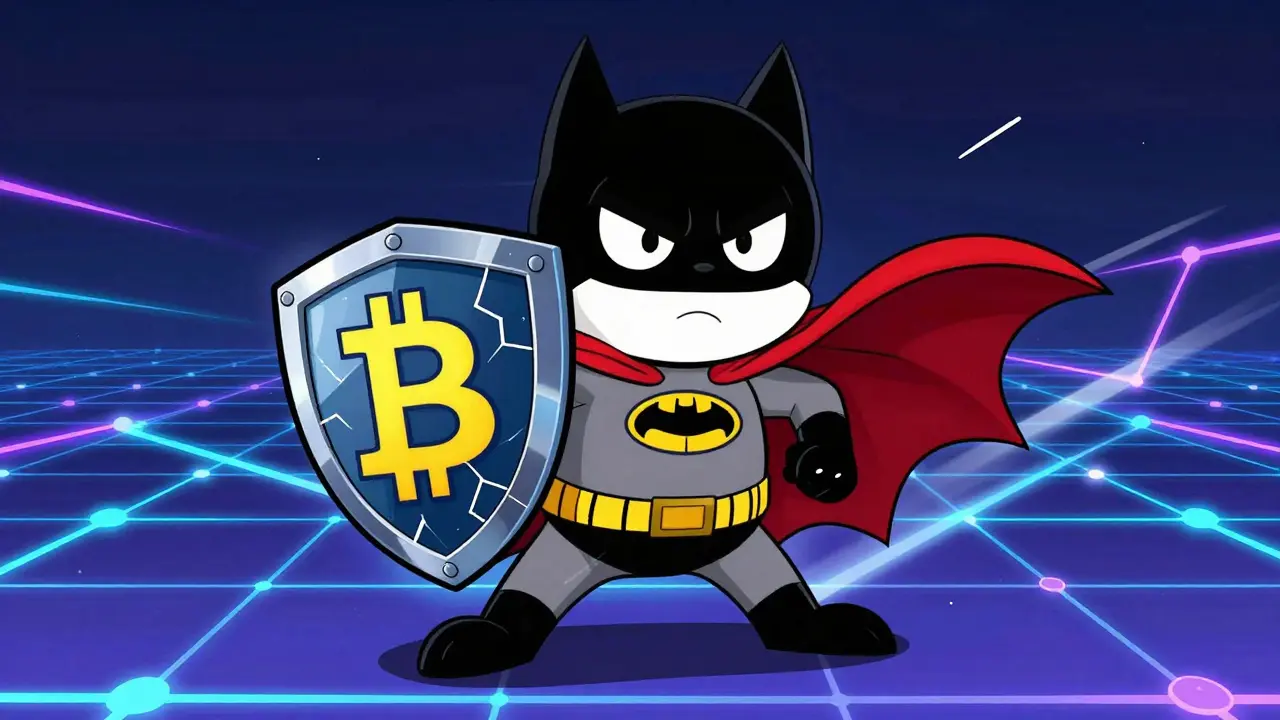
The project branding leans heavily into a superhero theme. The name "Batcat" suggests a playful mix of Batman and cat culture-two massive pillars of internet meme history. The stated mission is somewhat abstract: to protect investors from ecosystem villains. In the world of meme coins, this kind of narrative is common. It creates an "us versus them" mentality that helps build a tight-knit community. However, don’t expect this mission to translate into insurance policies or legal protections. It’s marketing flavor, not financial safety.
A major point of confusion for newcomers is the ticker symbol. Batcat uses BTC. You might be thinking, "Isn’t BTC Bitcoin?" Yes, it is. But in the decentralized world of crypto, anyone can create a token with any ticker they want. When you see BTC in the context of Batcat, you are looking at a completely different asset than the original Bitcoin. Always double-check the contract address and the platform you are using to avoid accidental swaps. This overlap is a classic trap for beginners.
Tokenomics and Supply: The Numbers Behind the Hype
To understand the potential upside or downside, you have to look at the supply mechanics. Batcat has a total supply of approximately 1 billion tokens. Specifically, data from CoinGecko lists the max supply at 999,986,681 tokens. There are no plans for further emissions, meaning the supply is fixed. This is a standard model for deflationary pressure-if demand rises and supply stays static, price could theoretically go up. But if demand drops, there’s nothing stopping the price from falling.
The circulating supply tells a slightly more complex story. Some aggregators report nearly 1 billion tokens in circulation, while others show discrepancies. This inconsistency often happens with newer or smaller projects where liquidity pools aren’t fully transparent or where tokens are locked in various smart contracts. The Market Cap to Fully Diluted Valuation (FDV) ratio sits at 1.0 according to some sources. This means almost all tokens are already out there. There isn’t a massive reserve waiting to dump on the market later, which is generally a positive sign compared to projects with hidden vesting schedules.
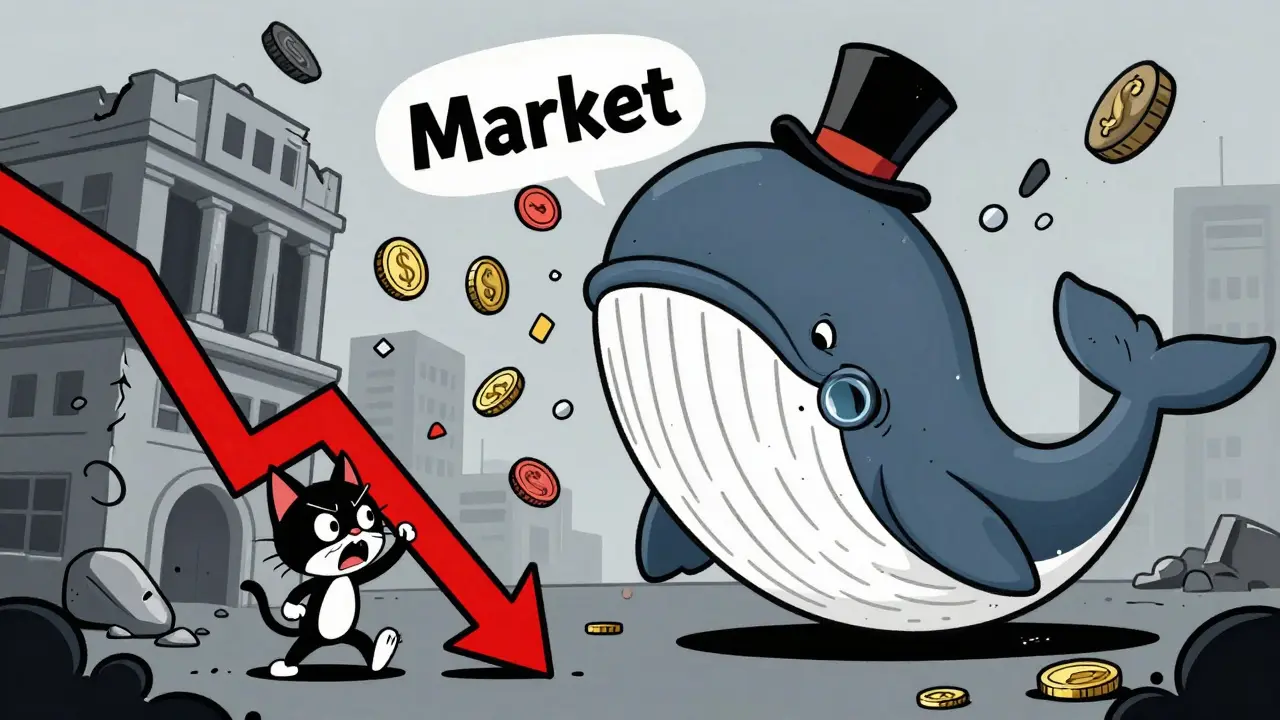
However, the number of holders is telling. As of early 2026, reports indicate around 3,500 token holders. For a cryptocurrency, this is a tiny base. Compare that to established meme coins like Dogecoin or Shiba Inu, which have millions of holders. A small holder count means the price can be manipulated easily by a few large wallets. If one or two "whales" decide to sell, the entire market cap can collapse in minutes.
Price History and Volatility: A Rollercoaster Ride
Let’s talk about the money side of things, because this is where most people get burned. Batcat launched in 2024 during a period of high meme coin enthusiasm. Its all-time high was $0.002992, reached on April 2, 2024. That sounds like a decent price, but context matters. Since then, the price has cratered.
By March 2026, the price hovered around $0.00001354. That represents a drop of roughly 98% from its peak. To put that in perspective, if you bought $1,000 worth of Batcat at its all-time high, you would be left with about $20 today. That is the harsh reality of meme coin investing. The all-time low was recorded at $0.00002357 in April 2025, so the current price is technically above the bottom, but it’s still in a deep hole relative to launch expectations.
| Metric | Value / Status | Implication |
|---|---|---|
| All-Time High | $0.002992 (Apr 2024) | Peak hype phase; unlikely to return soon without major catalysts. |
| Current Price Range | $0.000012 - $0.000013 | Extremely low unit cost; high volatility expected. |
| Market Cap | $12K - $60K | Micro-cap status; highly susceptible to manipulation. |
| 24h Volume | $10 - $1,000 | Very low liquidity; hard to enter/exit large positions. |
| Holder Count | ~3,500 | Small community; high risk of whale dominance. |
The daily trading volume is also concerning. Reports vary wildly between sources, with some showing $10.28 and others showing nearly zero. Low volume means illiquidity. If you buy in, you might find yourself unable to sell when you want to because there aren’t enough buyers on the other side of the order book. This is a common trait of "zombie" meme coins-tokens that are still listed but have lost their active trading community.
Risk Profile: Why Most Experts Stay Away
Investing in Batcat falls squarely into the highest risk category of financial activities. Unlike blue-chip cryptocurrencies that offer store-of-value properties or platforms that provide yield, Batcat offers pure speculation. Your profit depends entirely on someone else paying more for the token than you did. This is known as the Greater Fool Theory, and it’s a dangerous game.
Here are the specific risks you need to weigh:
- Lack of Utility: Batcat doesn’t solve a problem. It doesn’t process payments, secure a network, or provide governance rights. Its only function is to be traded.
- Regulatory Uncertainty: Meme coins are under increasing scrutiny globally. While no specific laws target Batcat yet, broader regulations on unregistered securities could impact how these tokens are traded or listed.
- Exchange Availability: Batcat is listed on very few exchanges. According to CoinPaprika, it may only be available on one major exchange with limited markets. This restricts accessibility and increases the risk of delisting.
- No Development Roadmap: There is no public whitepaper detailing future features, partnerships, or technological upgrades. The project seems to rely solely on social media buzz.
Compare this to a project like Chainlink, which provides real-world data to blockchains, or Solana itself, which powers the network. Batcat has no such fundamental backing. If the community loses interest, the token becomes worthless overnight. We’ve seen this happen hundreds of times in the crypto cycle.
How to Check if Batcat is Still Alive
If you’re curious whether Batcat has any remaining pulse, you need to do your own due diligence. Don’t trust headlines or influencer tweets alone. Here is how you verify the current status:
- Check Live Data Aggregators: Visit CoinGecko or CoinMarketCap. Look at the 24-hour volume. If it’s near zero, the coin is effectively dead. Look at the trend line. Is it flatlining or slowly bleeding out?
- Analyze Social Sentiment: Go to Twitter (X) and search for the official handle. Are posts getting engagement? Or is it just bots liking old tweets? A vibrant community will have real conversations, memes, and updates.
- Review Liquidity Pools: Use a block explorer like Solscan. Find the Batcat token address. Check the liquidity pool size. If the liquidity is removed (a "rug pull"), you cannot sell your tokens. If the liquidity is tiny, slippage will eat your profits.
- Verify Holder Distribution: Tools like Birdeye or RugDoc can show you if the top 10 wallets hold more than 50% of the supply. If they do, the risk of a coordinated dump is extremely high.
As of mid-2026, the signs are not encouraging. The price decline from the 2024 highs continues, and the holder count remains stagnant. This suggests that the initial viral momentum has faded, and the project hasn’t found a way to reignite interest.
Is There Any Future for Batcat?
Crypto markets are weird. Sometimes, dead coins come back to life because of a random tweet from a celebrity or a sudden shift in market sentiment. It’s possible, but it’s not probable. For Batcat to recover, it needs a catalyst. This could be a listing on a major exchange like Binance or Coinbase, a partnership with a larger brand, or a viral marketing campaign that brings in thousands of new holders.
Currently, none of these factors are present. The project lacks a development team visible to the public, and there are no announced features. Without a roadmap, there is no reason for new investors to enter. The existing holders are likely stuck, hoping for a miracle bounce.
If you are looking for exposure to the Solana ecosystem, buying Solana directly is a safer bet. If you want meme coin exposure, sticking to the top-tier names with proven track records and massive communities reduces your risk significantly. Batcat serves as a cautionary tale: just because a coin exists doesn’t mean it has value.
Is Batcat (BTC) the same as Bitcoin?
No, they are completely different assets. Bitcoin is the original cryptocurrency with its own blockchain. Batcat is a meme token on the Solana blockchain that unfortunately uses the ticker symbol BTC. Always check the contract address to ensure you are buying the correct asset.
Why is the price of Batcat so low?
The price is low due to significant loss of investor confidence and lack of utility. Since its all-time high in April 2024, the price has dropped by approximately 98%. Meme coins are highly volatile and often lose value once the initial hype fades.
Can I buy Batcat on Coinbase or Binance?
As of early 2026, Batcat is not listed on major centralized exchanges like Coinbase or Binance. It is primarily traded on decentralized exchanges (DEXs) connected to the Solana network, such as Raydium or Jupiter, though liquidity is very low.
Is Batcat a scam?
There is no definitive proof that Batcat is a scam in the sense of a fraudulent setup, but it carries extreme risk. The developers have not provided a clear roadmap, and the value has crashed significantly. Investing in it is speculative gambling, not investing.
What is the total supply of Batcat?
The total supply of Batcat is approximately 1 billion tokens (specifically 999,986,681). The supply is fixed, meaning no new tokens will be created. However, the circulating supply varies across data sources due to reporting inconsistencies.
Should I invest in Batcat in 2026?
Most financial experts advise against investing in low-cap meme coins with declining trends. Batcat has shown a consistent downward trajectory since 2024. Only invest money you are prepared to lose entirely, and consider safer alternatives within the Solana ecosystem.