YourToken Crypto Exchange Review: Is It Legit or a Scam?
 May, 9 2026
There is a massive red flag waving right now if you are looking for information on YourToken. As of May 2026, there is no credible record of a major, regulated cryptocurrency exchange operating under this name. You won’t find it on CoinMarketCap, CoinGecko, or any reputable financial regulatory database. This absence isn’t just an oversight; in the crypto world, silence is often the loudest warning signal.
If you have been invited to join "YourToken" via a social media message, a cold email, or a paid advertisement promising guaranteed returns, stop immediately. The lack of independent verification suggests this is either a brand-new, unvetted platform or, more likely, a sophisticated scam designed to steal your funds. Let’s break down why you should be extremely cautious and how to verify any exchange before you deposit a single cent.
The Danger of Unverified Exchanges
In 2025 and 2026, the crypto landscape has become heavily regulated. Major jurisdictions like the US, EU, and UK have implemented strict rules for digital asset service providers. Legitimate exchanges undergo rigorous audits, publish proof-of-reserves, and maintain transparent fee structures. Platforms that operate in the shadows usually do so because they cannot meet these standards.
When a platform lacks a web presence beyond its own website, it raises several critical concerns:
- No Independent Audits: Without third-party security firms verifying their code, you have no way of knowing if their wallet infrastructure is secure.
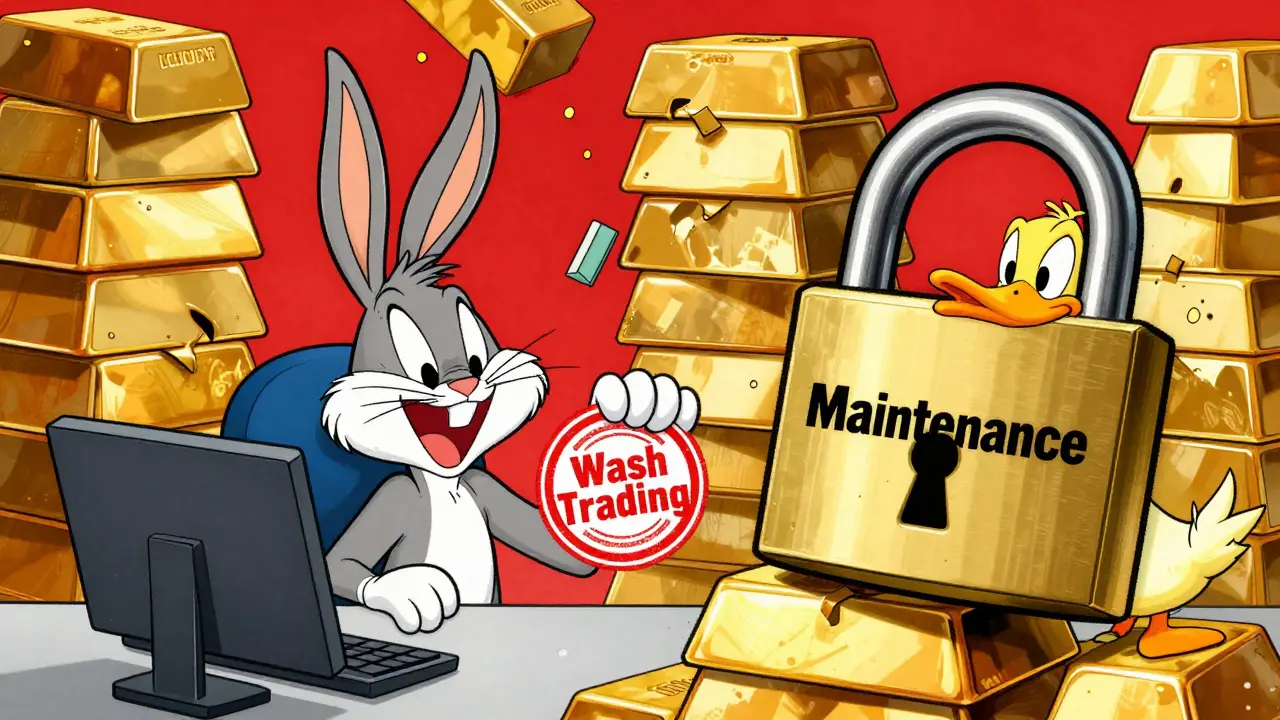
- Fake Liquidity: Many scam exchanges use "wash trading"-buying and selling assets to themselves-to create the illusion of high volume and activity. This makes it look like the market is active when it is actually empty.
- Withdrawal Restrictions: A common tactic is to allow deposits but freeze withdrawals once a user tries to cash out, citing "maintenance" or "verification issues."
For context, established players like Kraken is a veteran exchange with over a decade of operation and zero security breaches build trust through transparency. Kraken pioneered regular external proof-of-reserve audits, allowing users to verify that their funds are actually held by the exchange. If "YourToken" does not offer similar proof, assume your money is at risk.
How to Spot a Fake Exchange
Scammers often clone the interfaces of legitimate platforms or create new sites that look professional but lack substance. Here is how you can spot the difference between a legit exchange and a potential fraud.
| Feature | Legitimate Exchange (e.g., Coinbase, Bybit) | Suspicious Platform (e.g., YourToken) |
|---|---|---|
| Regulatory Status | Listed on government financial regulator databases (FCA, SEC, ASIC). | No registration found; claims "decentralized" status to avoid regulation. |
| Fee Transparency | Clear fee schedules (e.g., 0.1% maker/taker fees). | Vague fees, hidden spreads, or promises of "zero fees" to lure users. |
| Customer Support | Verified support channels with real human agents. | Only Telegram/Discord links; support bots that give generic answers. |
| Security History | Public security audits and bug bounty programs. | No audit history; source code is not open-source. |
| Reviews | Mixed reviews on Trustpilot and Reddit discussing real experiences. | Only five-star reviews from newly created accounts or no reviews at all. |
If "YourToken" checks the boxes in the right column, do not proceed. The absence of a footprint on trusted review sites like Trustpilot or specialized crypto forums is a significant negative indicator. Real exchanges have thousands of users who discuss their pros and cons openly.
Why New Exchanges Fail to Gain Traction
You might wonder why a new exchange wouldn't just launch and grow. The barrier to entry is incredibly high. To attract serious traders, an exchange needs deep liquidity, robust security, and regulatory compliance. Established platforms like Binance is the largest global exchange by volume, offering extensive token pairs and institutional-grade tools dominate the market because they offer reliability.
Newer exchanges that do succeed often partner with established blockchain networks or offer unique features, such as hybrid decentralized models. For example, IDEX is a hybrid exchange combining DEX security with CEX speed allows users to trade without giving up custody of their funds. Even IDEX requires projects to submit tokens for rigorous team review and ensure sufficient liquidity before listing.
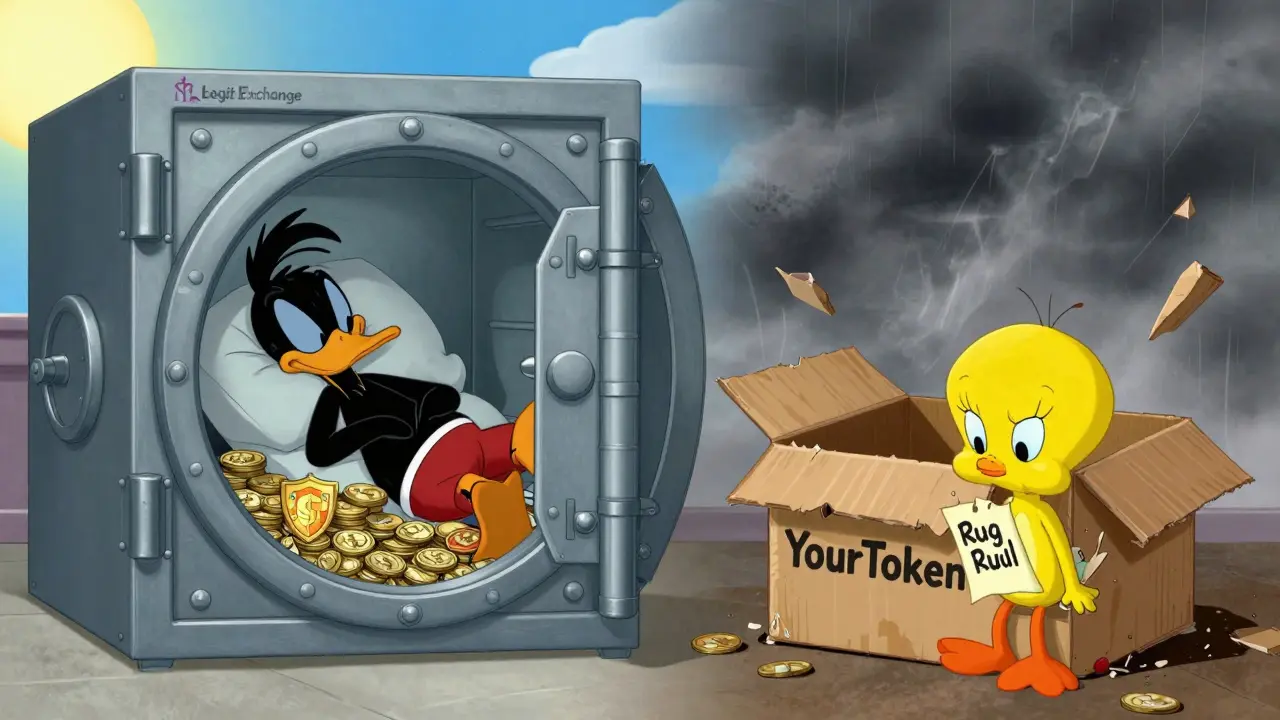
If "YourToken" claims to list unknown tokens or offers easy listing processes for random projects, it is likely a vehicle for "rug pulls," where developers abandon a project after draining liquidity. Always check if an exchange has a vetting process for the assets it lists.
Safety First: Alternatives to Consider
Rather than risking your capital on an unverified platform, consider sticking to exchanges with proven track records. Here are some safer alternatives based on different user needs:
- For Beginners: Coinbase is a publicly traded company offering FDIC insurance for USD deposits provides a high level of security and ease of use, though fees can be higher (around 0.4%).
- For Low Fees: Bybit is a popular exchange for derivatives and spot trading with competitive fees offers starting fees around 0.1%, with discounts for holding native tokens.
- For Security Purists: Kraken is known for its 11-year hack-free record and strong customer support remains a top choice for users prioritizing safety over flashy features.
These platforms have survived multiple market cycles and regulatory crackdowns. They provide the infrastructure and legal recourse that "YourToken" simply cannot offer.
What to Do If You Already Deposited Funds
If you have already sent money to "YourToken," act quickly. First, attempt to withdraw your funds. If the withdrawal fails or is delayed indefinitely, document everything. Take screenshots of your account balance, transaction hashes, and any communication with support.
Next, report the incident to relevant authorities. In the US, file a complaint with the FTC and the SEC. In the UK, report to the FCA. While recovering funds from a crypto scam is difficult, reporting helps law enforcement track patterns and potentially shut down the operation.
Never send more money to "verify" your account or pay "taxes" to release your funds. This is a secondary scam tactic known as advance-fee fraud. Once you realize the first deposit is gone, do not feed the beast.
Final Verdict on YourToken
Based on the complete lack of verifiable data, regulatory presence, or independent reviews, "YourToken" should be treated as a high-risk entity. In the crypto industry, trust is earned through transparency and time, not marketing hype. Until this platform publishes audited financials, reveals its ownership structure, and gains traction on independent tracking platforms, it is not worth your attention.
Stick to exchanges that have nothing to hide. Your financial security is more important than chasing rumors about the next big platform.
Is YourToken a scam?
While we cannot definitively label it a scam without internal access, the total absence of regulatory records, independent reviews, and security audits strongly suggests it is unsafe. Treat it as a potential scam until proven otherwise by credible third-party sources.
Why can't I find reviews for YourToken?
Legitimate exchanges have thousands of user reviews on sites like Trustpilot, Reddit, and Twitter. If a platform has no reviews, it likely has no real users or actively suppresses negative feedback. This is a major red flag.
How do I verify if a crypto exchange is legit?
Check for regulatory licenses (SEC, FCA, etc.), read independent security audits, look for proof-of-reserves, and search for unbiased user reviews. Avoid platforms that only promote themselves through paid ads or social media influencers.
Can I recover my money if I lose it on YourToken?
Recovery is difficult but not impossible. Report the incident to local financial regulators and cybercrime units. Provide all transaction details. However, prevention is better than cure; always use regulated exchanges.
What are the safest crypto exchanges in 2026?
Exchanges like Kraken, Coinbase, and Binance remain the safest due to their long operational history, regulatory compliance, and robust security measures. Always prioritize platforms with public proof-of-reserves.
Sarah C
May 10, 2026 AT 10:20Thanks for sharing this detailed breakdown. It really helps to have a clear list of red flags when you're just starting out and trying to figure out which platforms are safe. I always feel a bit overwhelmed by the sheer number of options, so knowing what to look for in terms of audits and regulatory status is super helpful.
Kimberly Herbstritt
May 11, 2026 AT 05:56I mean, honestly, isn't it kind of boring that everyone just sticks to the big names? Sometimes the new guys have better tech or lower fees before they get bogged down by bureaucracy. You're assuming silence means scam, but maybe they're just keeping a low profile until they're ready to launch properly?
Sharada Vakkund
May 12, 2026 AT 05:09It's important to remember that while innovation is great, security shouldn't be compromised for the sake of novelty. In my experience working with fintech startups, transparency is non-negotiable. If a platform can't show its work, why should we trust them with our money? Let's keep each other safe by sticking to verified sources.
Sudarshan Anbazhagan
May 13, 2026 AT 00:38one must consider the historical precedence of such entities as being inherently flawed in their foundational architecture which often leads to catastrophic failure for the unwary participant who fails to conduct due diligence thereby exposing themselves to significant financial peril without recourse
John Gonzalez Bentham
May 14, 2026 AT 20:53u r all just scared of missing out on the next big thing lol kraken and coinbase are for old people who dont understand real yield i made 5k on a random exchange last week no audits needed just trust the vibes
Ellie Riddell
May 16, 2026 AT 20:32The irony of chasing 'vibes' in finance is not lost on me. We live in an era where trust is supposed to be earned through verification, yet here we are debating whether a lack of evidence is actually a feature rather than a bug. How fascinatingly absurd.
Destiny Kilby
May 17, 2026 AT 20:03i hear your frustration but please be careful out there i know how tempting those high returns sound but once the money is gone it rarely comes back and no one wants to see you lose everything over a hunch
Jerry CUNNINGHAM SR
May 18, 2026 AT 22:16It is imperative that we maintain a respectful dialogue regarding these matters. While skepticism is healthy, dismissing established regulatory frameworks entirely is counterproductive. We must encourage users to verify information through official channels such as the SEC or FCA databases to ensure their safety.
Shelby Cantu
May 19, 2026 AT 21:32Stick to the basics. If it sounds too good to be true it probably is. Keep your funds secure.
Tobias Gjerlufsen
May 20, 2026 AT 01:25you idiots are literally handing your life savings to criminals because you cant read a whitepaper stop expecting the government to save you from your own stupidity the market is efficient and if you cant handle risk you deserve to lose every cent
Ruben Michel
May 21, 2026 AT 03:21The notion that one can simply 'trust vibes' is intellectually bankrupt. A proper analysis requires an understanding of liquidity pools, smart contract vulnerabilities, and regulatory compliance structures. YourToken lacks the sophistication required to operate within the modern financial ecosystem.
Gavin Wonnacott
May 21, 2026 AT 06:06I don't care about your feelings or your fear of scams. If you want to make money you take risks. Stop whining about regulations and start trading. The weak will always complain while the strong accumulate wealth regardless of the odds.
Samara McCallum
May 22, 2026 AT 11:33is it really a scam if you believe in it hard enough? i think the whole concept of legitimacy is just a social construct designed to control us anyway so why not just go with whatever feels right in the moment
Sheldon Friesen
May 24, 2026 AT 03:05Look! I get that you want to feel free from constraints! But let's be real here!! Financial fraud is not a philosophical debate!! It's theft!! Please! For the love of god! Check the audits!! Don't be naive!!
Zara Zaman
May 26, 2026 AT 00:49This is exactly why foreign exchanges are trash. They have no oversight and no accountability. American investors should stick to US-regulated platforms only. Anything else is a waste of time and a threat to national economic security.
Larry Port
May 26, 2026 AT 23:02I was curious about this myself. After digging around a bit, I found that most of these 'new' exchanges are just rebranded versions of older ones that got shut down. It's interesting how they try to reinvent themselves without fixing the core issues.
Jocelyn Garcia
May 28, 2026 AT 07:53The MEV bots alone would drain any unverified liquidity pool in seconds. Without robust off-chain order book matching and proper slippage protection mechanisms, the UX would be terrible anyway. It's technically unsound.
Amit Varpe
May 28, 2026 AT 19:40lol yall are crazy 😂 just use binance or bybit like normal people why complicate things so much 🤷♂️