What is DAFI Protocol? A Deep Dive into Synthetic Rewards and the DAFI Token
 Jul, 16 2026
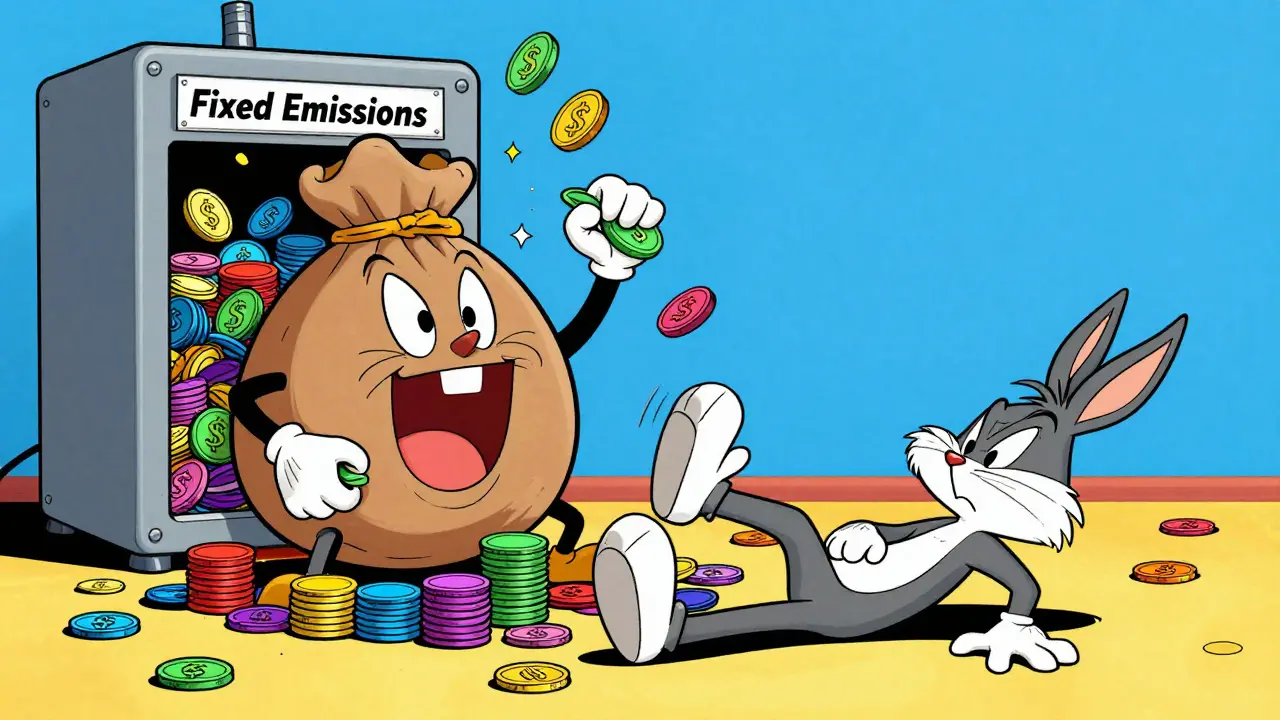
Have you ever noticed how many decentralized finance (DeFi) projects start with exciting high yields but eventually crash because they print too many tokens? It’s a common trap. Protocols flood the market with rewards to attract users, causing massive inflation that devalues everyone’s holdings. DAFI Protocol is a decentralized finance infrastructure designed to solve this hyperinflation problem by replacing fixed token emissions with synthetic, demand-linked incentives. Instead of blindly minting new coins, DAFI ties rewards directly to actual network usage. If people are using the platform, rewards grow. If activity drops, rewards shrink. This keeps the token economy healthy and sustainable.
Launched in 2021 during the peak of the DeFi boom, DAFI aimed to be a "plug-and-play" solution for other blockchain projects struggling with unsustainable reward structures. But what exactly does that mean for you as an investor or user? Is it still relevant in mid-2026? Let’s break down how the protocol works, where the token stands today, and whether it has a place in your portfolio.
How DAFI Protocol Solves the Inflation Problem
The core issue in many DeFi ecosystems is simple: protocols need liquidity and users, so they offer high Annual Percentage Rates (APR). To pay these rates, they issue new tokens. When the hype dies, those tokens have no real value backing them, leading to a death spiral. DAFI Protocol introduces a different mechanism using synthetic assets known as dTokens.
Here is how it works in practice:
- Demand-Linked Emissions: Instead of releasing a fixed number of tokens every day, DAFI adjusts the supply based on specific metrics like transaction volume, active addresses, or Total Value Locked (TVL).
- Synthetic Rewards (dDAFI): Users stake native DAFI tokens to create a second synthetic token, often called dDAFI. The supply of this synthetic token expands when network demand rises and contracts when adoption falls.
- Plug-and-Play Integration: Other blockchain projects can integrate DAFI’s smart contracts to replace their own inflationary reward systems. They create a "synthetic flavor" of their native token that behaves according to DAFI’s algorithmic rules.
This approach aims to align incentives with long-term health. During bear markets or periods of low activity, the protocol automatically reduces emissions, protecting holders from rapid dilution. During bull runs, rewards increase to capture growth. It’s essentially an automatic stabilizer for token economics.
Tokenomics and Supply Data
Understanding the supply dynamics is crucial for evaluating any cryptocurrency. DAFI has a hard cap on its total supply, which prevents infinite printing. Here are the key numbers as of mid-2026:
| Metric | Value |
|---|---|
| Total Max Supply | 2,250,000,000 DAFI |
| Circulating Supply | ~570,000,000 DAFI |
| Market Cap | ~$51,952 USD |
| Price Range | $0.00008 - $0.00009 |
Note that while the maximum supply is fixed at 2.25 billion, the circulating supply hovers around 570 million. Some earlier reports suggested higher circulating figures (over 1.1 billion), but recent data from aggregators like CoinGecko and Kraken confirms the lower figure. This discrepancy might stem from how locked or bridge-based tokens are counted, but the important takeaway is that the majority of tokens are not yet in circulation, meaning future unlocks could impact price if demand doesn’t keep pace.
Current Market Status and Price Action
Let’s be honest about the current state of the DAFI token. As of July 2026, it is a micro-cap asset. With a market capitalization under $100,000 and daily trading volumes often dipping below $30, it sits far outside the top 1,000 cryptocurrencies globally. On CoinGecko, it ranks around #4045, while CoinMarketCap places it near #2859.
The price history reflects a significant decline from its early days. In late 2024, DAFI traded around $0.0002. By mid-2025, it had fallen to roughly $0.00018. Today, in mid-2026, it trades between $0.00008 and $0.00009. This represents a drop of over 50% from already low levels. For traders, this means extreme volatility and thin liquidity. Buying or selling large amounts can cause significant slippage because there aren’t enough buyers and sellers in the order book.
However, being listed on major aggregators and available on Ethereum-based decentralized exchanges like Uniswap V2 shows that the project hasn’t disappeared. It remains accessible, just niche.

Ecosystem Integrations and Partnerships
When DAFI launched, it attracted attention from several notable projects. Early partnerships included Polygon, Elrond, Reef Finance, Litentry, and AllianceBlock. These projects were looking for ways to fix their own incentive models without destroying their token values.
The idea was compelling: instead of launching a separate liquidity mining campaign that dumps millions of tokens onto the market, a protocol could use DAFI’s infrastructure to issue synthetic rewards that scale naturally with usage. While we don’t have detailed on-chain metrics showing how many transactions flowed through these integrations, the fact that established names showed interest suggests the technology had merit.
Today, the ecosystem looks different. Gate.com reports approximately 5,560 token holders as of 2025, indicating a small but dedicated community. The focus seems to have shifted from broad enterprise integration to building out the DAFI-native experience.
The Shift to a Hybrid Exchange
If you visit the official Dafi.io website in mid-2026, you’ll notice a pivot. The homepage prominently features the DAFI Hybrid Exchange. This is a significant change from the original pure-infrastructure narrative.
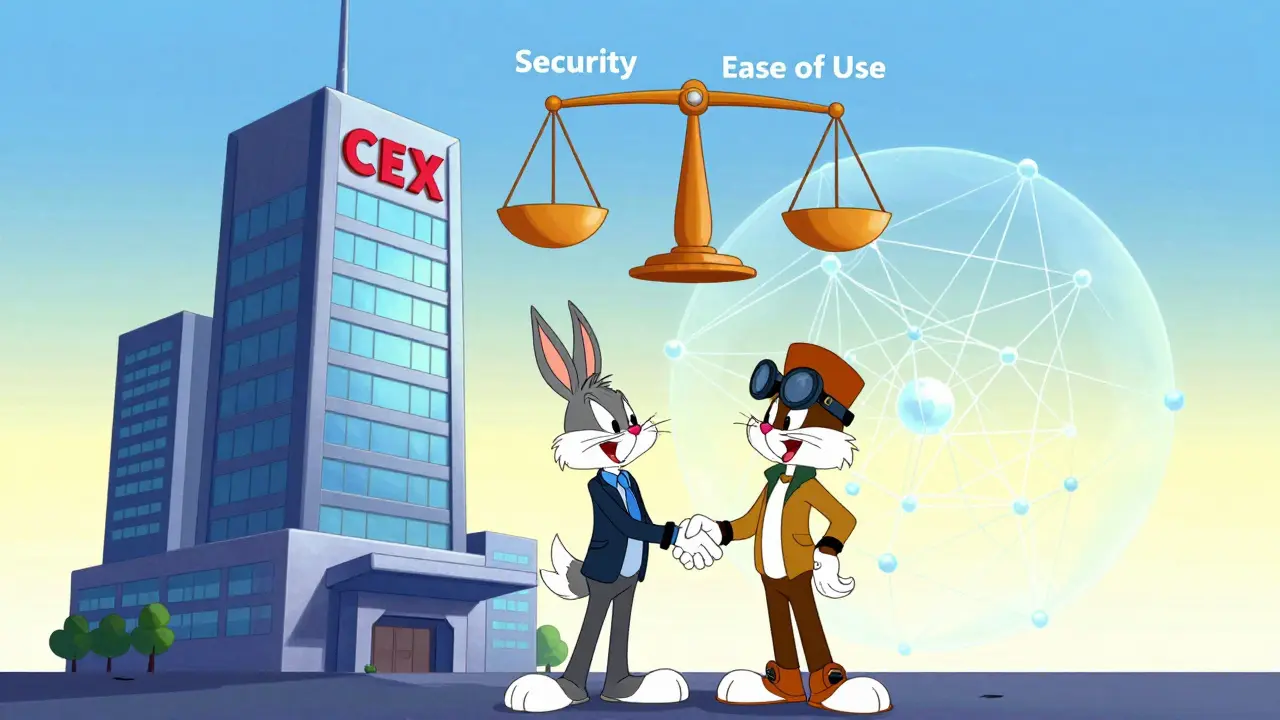
A hybrid exchange attempts to combine the best of both worlds:
- Centralized Exchange (CEX) Experience: Familiar user interfaces, order books, and ease of use.
- Decentralized Exchange (DEX) Security: Self-custody of funds, transparency, and resistance to censorship.
This move suggests the team is trying to drive direct utility and revenue for the DAFI token. By creating a venue where users trade, they generate the very "demand metrics" that fuel the synthetic reward system. It’s a self-reinforcing loop: more trading leads to higher demand signals, which supports the tokenomics model. However, building a successful exchange is incredibly difficult in a crowded market dominated by giants like Binance, Coinbase, and Uniswap. Success here will depend entirely on execution and user acquisition.
Risks and Considerations for Investors
Before considering DAFI, it’s vital to understand the risks. This is not a blue-chip asset like Bitcoin or Ethereum. It is a high-risk, speculative play on a specific technical solution in the DeFi space.
- Liquidity Risk: With daily volumes under $30, exiting a position quickly without impacting the price is nearly impossible. You must be prepared to hold for the long term or accept wide bid-ask spreads.
- Adoption Uncertainty: The success of DAFI depends on other protocols integrating its synthetic reward system. If major projects choose alternative tokenomics models (like vote-escrow systems used by Curve or Balancer), DAFI’s core use case diminishes.
- Smart Contract Risk: Like all DeFi protocols, DAFI relies on code. Bugs or vulnerabilities in the smart contracts governing synthetic assets could lead to losses. Always check for recent audits.
- Regulatory Ambiguity: Synthetic assets and complex yield mechanisms often face scrutiny from regulators. As laws evolve in the US, EU, and Asia, projects like DAFI may need to adapt quickly to remain compliant.
Comparison: DAFI vs. Traditional Staking
To see where DAFI fits, let’s compare it to traditional staking models.
| Feature | Traditional Staking | DAFI Protocol |
|---|---|---|
| Reward Source | New token issuance (inflationary) | Synthetic tokens linked to demand |
| Inflation Control | Fixed schedule, regardless of usage | Dynamic; scales with network activity |
| User Incentive | High initial APR, decaying over time | Aligned with long-term network health |
| Integration Complexity | Simple staking contracts | Requires oracle data and custom logic |
Traditional staking is easier to implement but often leads to short-term speculation. Users farm rewards and dump them immediately. DAFI tries to fix this by making rewards proportional to real usage, encouraging users to care about the network’s growth rather than just the payout rate.
Conclusion: Is DAFI Worth Watching?
DAFI Protocol offers a clever theoretical solution to a pervasive problem in DeFi. The concept of demand-linked synthetic rewards is sound and addresses the root cause of token death spirals. However, theory doesn’t always translate to market success. Currently, DAFI is a micro-cap project with limited liquidity and modest adoption.
If you believe in the long-term viability of sustainable tokenomics and think the DAFI Hybrid Exchange can gain traction, it might be worth a small speculative allocation. But proceed with caution. Do your own research, monitor the development updates closely, and never invest more than you can afford to lose. The crypto market is unforgiving, especially for niche protocols.
What is the main purpose of DAFI Protocol?
The main purpose of DAFI Protocol is to solve hyperinflation in DeFi staking and liquidity rewards. It does this by replacing fixed token emissions with synthetic, demand-linked incentives that adjust based on actual network usage.
How much is one DAFI token worth in 2026?
As of mid-2026, one DAFI token trades between $0.00008 and $0.00009. The market capitalization is approximately $51,952, making it a micro-cap cryptocurrency.
Where can I buy DAFI tokens?
DAFI is primarily traded on decentralized exchanges (DEXs) built on Ethereum, such as Uniswap V2. It is also tracked by major aggregators like CoinGecko and Kraken, though liquidity is low.
What is dDAFI?
dDAFI is a synthetic token created by staking native DAFI. Its supply expands or contracts based on network demand metrics, allowing protocols to distribute rewards that align with actual usage rather than fixed schedules.
Is DAFI a safe investment?
No, DAFI is considered a high-risk, speculative investment. It has a very low market cap, thin liquidity, and faces significant competition in the DeFi space. Only invest funds you are willing to lose entirely.