What is DAO Maker (DAO)? Token Utility, DYCO, and Price Analysis
 Jul, 30 2026
What Is DAO Maker?
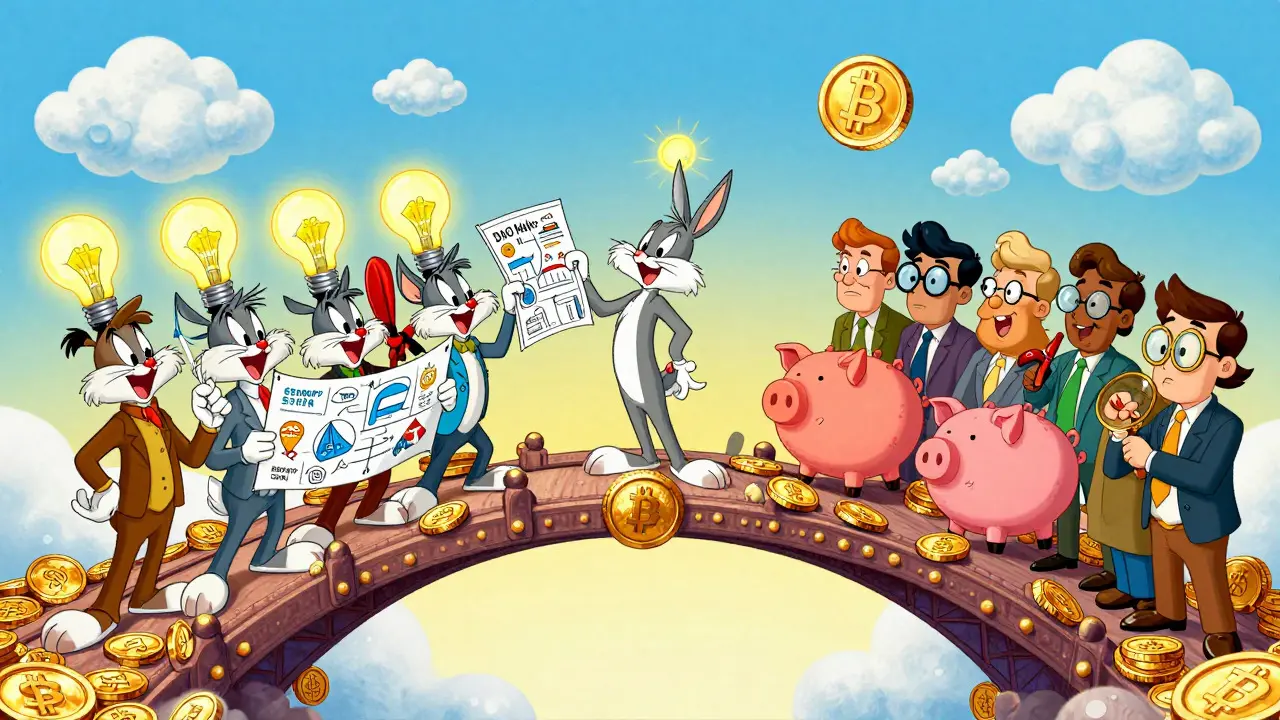
If you have been scrolling through crypto news lately, you have probably seen the term DAO Maker pop up. But what exactly is it? Simply put, DAO Maker is a platform that helps new blockchain projects raise money while trying to protect investors from losing everything if those projects fail. It acts like a bridge between early-stage startups and people who want to invest in them before they become mainstream.
Launched in 2018, DAO Maker operates as a decentralized venture capital firm. Instead of just throwing money at ideas, it provides a structured ecosystem where projects can launch their tokens and communities can grow organically. The native currency of this ecosystem is the DAO token, which serves as both a governance tool and a utility asset within the platform.
How Does the Platform Work?
The core idea behind DAO Maker is risk reduction. In the wild west of early crypto investing, many projects failed, leaving investors with worthless tokens. DAO Maker tries to fix this by introducing three main mechanisms: DYCO, SHOs, and Social Mining.
DYCO (Dynamic Coin Offering)
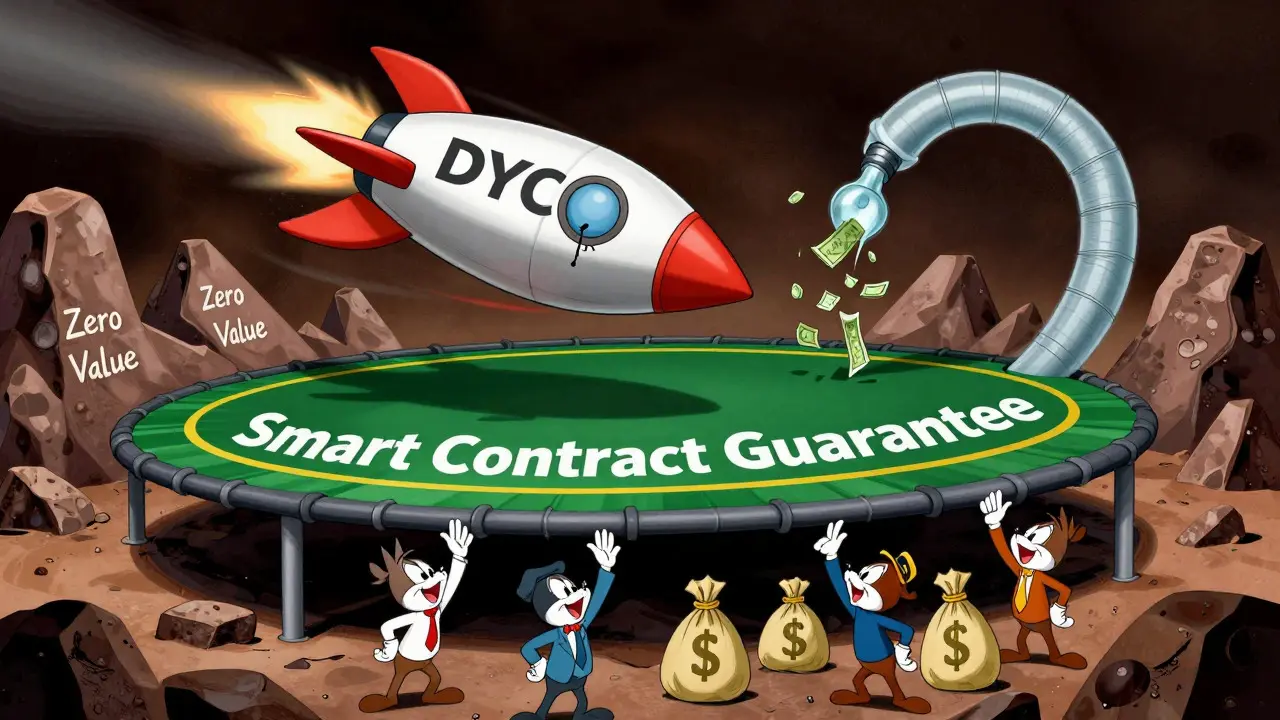
This is the standout feature. A DYCO is a fundraising event that includes a buy-back guarantee. Here is how it works: when a project raises funds through a DYCO, the team sets aside a portion of the raised capital. If the project fails to meet certain performance targets or milestones, the smart contract automatically triggers a buy-back for the investors. This means you get your money back, or at least a significant portion of it, rather than watching your investment go to zero. It is one of the few safety nets in the crypto world.
SHOs (Selective Hard Offerings)
Unlike traditional Initial Coin Offerings (ICOs) where anyone can buy tokens instantly, SHOs are exclusive. They are designed for long-term supporters. To participate, users often need to pass KYC (Know Your Customer) verification and hold a certain amount of DAO tokens. This filters out quick speculators and ensures that the people getting the tokens are genuinely interested in the project's success.
Social Mining
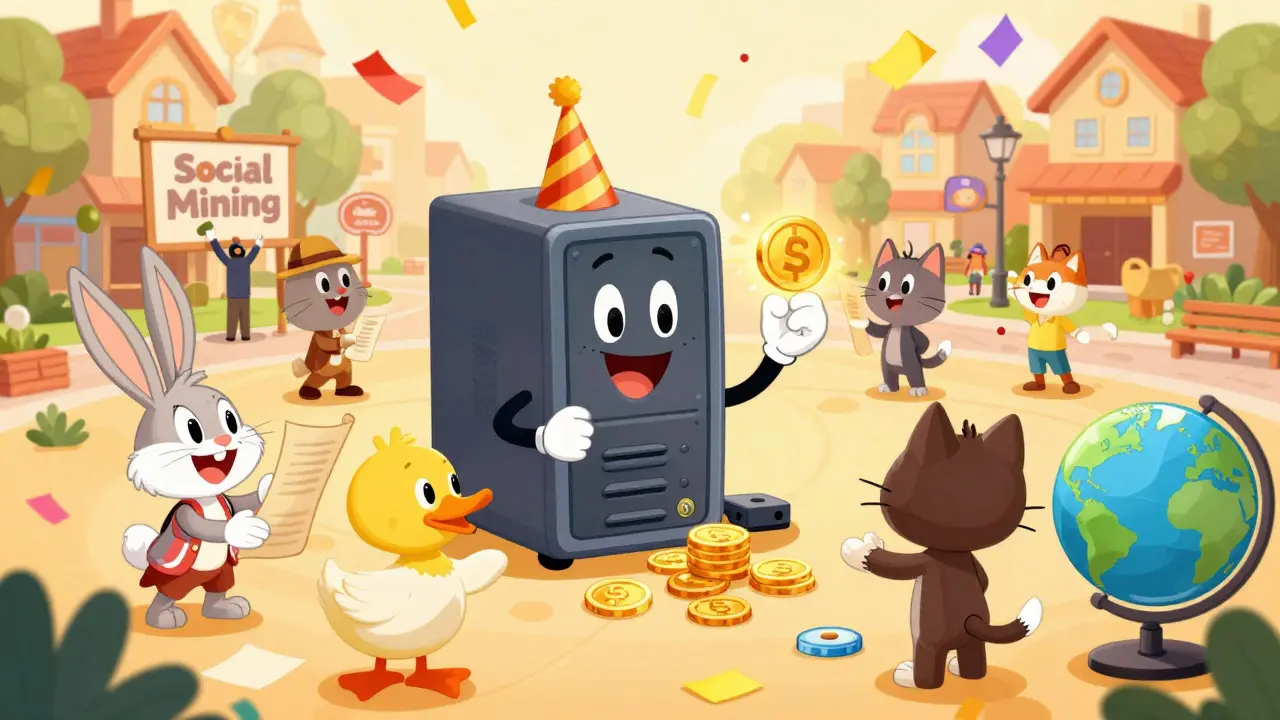
You do not always need to spend money to earn rewards on DAO Maker. Through Social Mining, community members can earn DAO tokens by contributing to the growth of projects. This could mean sharing content on social media, writing articles, translating documents, or helping with community management. The platform uses algorithms to track these contributions and distributes tokens accordingly. It turns community engagement into a tangible reward.
Understanding the DAO Token
The DAO token is an ERC-20 token built on the Ethereum network. It is the fuel that keeps the DAO Maker engine running. Holding DAO tokens gives you specific rights and utilities:
- Governance: Token holders can vote on important decisions regarding the platform, such as which projects should be listed or how fees are structured.
- Access: You need DAO tokens to participate in SHOs and some DYCOs. Often, the more tokens you hold, the larger your allocation in these sales.
- Staking: Users can stake their DAO tokens to earn rewards or to qualify for higher tiers in Social Mining campaigns.
Because the token is essential for accessing investment opportunities, its value is tied closely to the activity and success of the projects launching on the platform.
Market Performance and Price History
Like most cryptocurrencies, the price of the DAO token has been volatile. Understanding its history helps set realistic expectations.
| Metric | Data Point |
|---|---|
| All-Time High (ATH) | $8.75 |
| Current Price Range | $0.07 - $0.14 |
| Market Cap | $14.5M - $26.5M |
| Circulating Supply | ~200M - 277M DAO |
| Blockchain | Ethereum (ERC-20) |
The token reached its peak price of $8.75 during the height of previous bull markets. Since then, it has experienced significant correction, dropping over 98% from its all-time high. As of mid-2026, it trades in a much lower range, reflecting broader market trends and the maturation of the crypto industry. The circulating supply varies slightly depending on the data source, ranging from 200 million to nearly 278 million tokens, due to different reporting methodologies and ongoing vesting schedules.
DAO Maker vs. Other Launchpads
Is DAO Maker unique? Yes, but it faces stiff competition. Platforms like Binance Launchpad, Polkastarter, and Seedify are also major players in the launchpad space. However, they operate differently.
Binance Launchpad, for example, relies on the massive user base of the Binance exchange. It offers incredible liquidity but rarely provides buy-back guarantees. Polkastarter focuses heavily on the Polkadot ecosystem. DAO Maker’s key differentiator remains the DYCO mechanism. While other platforms might offer better short-term trading volume, DAO Maker offers a structural safety net that is rare in the industry. For risk-averse investors looking for early-stage exposure without total ruin, this is a compelling advantage.
Risks and Considerations
Before diving in, you should weigh the risks. First, the token itself is highly volatile. A drop from $8.75 to under $0.15 shows that past performance does not guarantee future stability. Second, while DYCOs offer protection, they are not foolproof. The buy-back is usually partial and depends on the project meeting specific, pre-defined criteria. If a project fails due to unforeseen external factors, the guarantee might not cover your entire loss.
Additionally, participation in SHOs requires KYC verification. This means giving up some anonymity, which is a trade-off many privacy-focused crypto users dislike. Finally, the platform is dependent on the Ethereum network. During times of high congestion, transaction fees (gas) can spike, making small transactions expensive or slow.
Future Outlook
Where is DAO Maker heading? The platform continues to evolve its offerings, focusing on quality over quantity in project selection. Analysts note that while the short-term price action may remain choppy, the fundamental model of providing investor protection is becoming increasingly valuable as regulations tighten globally. Projects that can prove their viability and offer safeguards like DYCOs are likely to attract more serious institutional interest in the coming years.
Is DAO Maker a good investment?
Whether DAO Maker is a good investment depends on your risk tolerance. It offers unique protections like DYCOs, which reduce downside risk compared to standard ICOs. However, the token has dropped significantly from its all-time high. It is suitable for investors who believe in the long-term potential of curated crypto launchpads and want exposure to early-stage projects with some safety nets.
What is the difference between DYCO and SHO?
DYCO (Dynamic Coin Offering) is a fundraising event with a buy-back guarantee for investors if the project fails to meet targets. SHO (Selective Hard Offering) is an exclusive sale for verified, long-term community members, often requiring KYC and holding DAO tokens. DYCO focuses on investor protection, while SHO focuses on community loyalty.
How do I earn DAO tokens through Social Mining?
You can earn DAO tokens by participating in community activities such as sharing project updates on social media, writing content, or engaging in community discussions. The platform tracks these actions via algorithms and rewards users with DAO tokens based on the quality and impact of their contributions.
Which blockchain is DAO Maker built on?
The DAO token is an ERC-20 token built on the Ethereum blockchain. This means you can store it in any wallet that supports Ethereum-based assets, such as MetaMask or Ledger.
Does DAO Maker require KYC?
Yes, for certain features. Participating in Selective Hard Offerings (SHOs) typically requires Know Your Customer (KYC) verification to ensure compliance and filter for serious investors. Social Mining and general token holding may not always require immediate KYC, but it is recommended for full access.