DDEX Crypto Exchange Review: Fees, Leverage, and Decentralized Trading
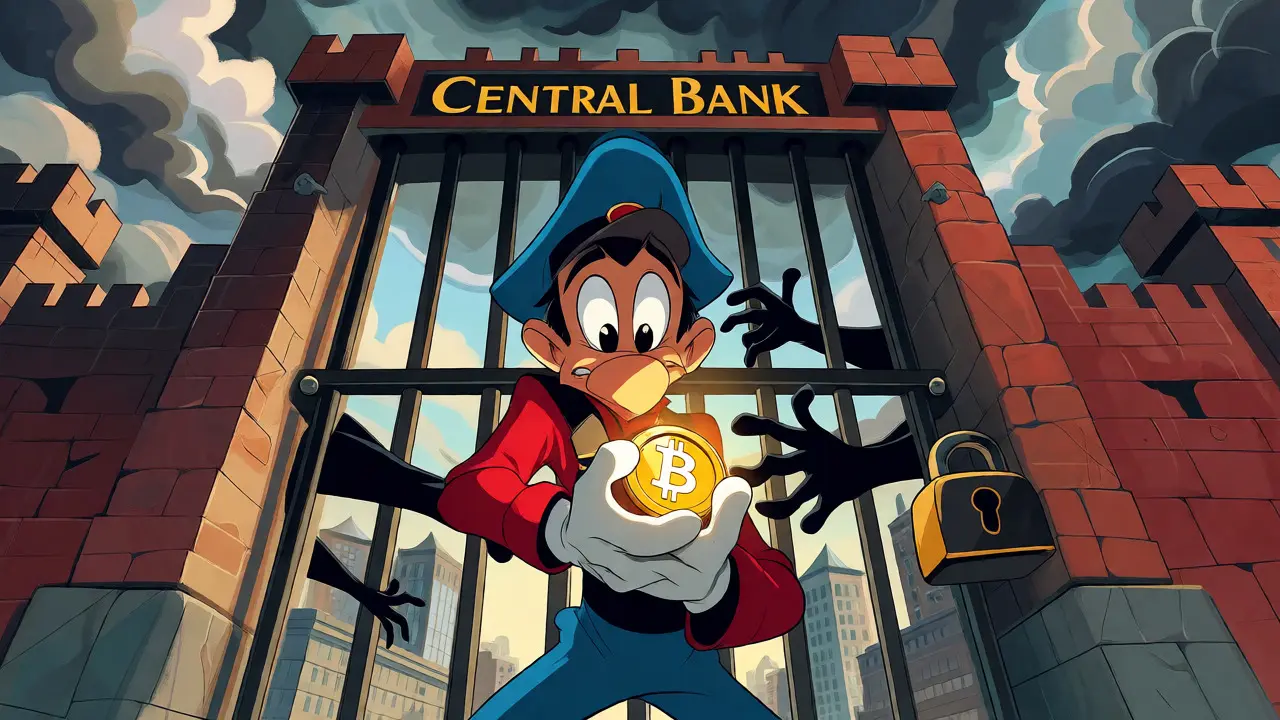 Oct, 2 2026
You want to trade Bitcoin or Ethereum with leverage but hate the idea of handing your cash over to a centralized exchange that could freeze your account tomorrow. That fear is real. In 2025 and into 2026, regulatory pressure has made big names like Bybit restrict features for European users, pushing more traders toward decentralized options. Enter DDEX, a platform that lets you keep control of your keys while accessing advanced trading tools. But does it actually work well? Or is it just another clunky interface from the early days of DeFi?
This isn't a hype piece. We're looking at the hard numbers: fees, security models, supported assets, and where this platform fits in today's crowded market. If you are already holding crypto and want to avoid KYC headaches, this review breaks down exactly what you need to know before connecting your wallet.
The Core Concept: Why DDEX Exists
DDEX is a decentralized cryptocurrency exchange (DEX) focused on leveraged trading and lending within the Ethereum ecosystem. Unlike Coinbase or Binance, which hold your funds in their wallets, DDEX executes trades directly from your personal Ethereum wallet using cryptographic signatures.
Think of it this way: On a centralized exchange, you deposit money, get a balance number on a screen, and trust the company not to go bankrupt. On DDEX, your assets stay in your MetaMask or hardware wallet until the exact moment a trade settles on the blockchain. This architecture solves the "not your keys, not your coins" problem that plagued exchanges like FTX.
The platform supports major assets like Bitcoin and Ethereum with leverage up to 5x. It also offers a lending feature, allowing you to earn interest on idle assets without giving up custody. This dual functionality-trading and earning yield-is its main selling point against simple swap protocols like Uniswap.
Fees and Cost Structure Analysis
Money talks. If you are an active trader, fees eat into profits faster than bad trades do. Here is how DDEX stacks up against the industry standard.
| Fee Type | DDEX Rate | Industry Average (Centralized) | Notes |
|---|---|---|---|
| Trading Fee | 0.10% flat | ~0.25% | No maker/taker distinction |
| Maker Rebate | Up to 0.10% | N/A (usually discounts) | Based on 30-day volume; can result in 0% net fee |
| Withdrawal Fee | $0 (Gas only) | Variable ($1 - $50+) | User pays network gas, no platform surcharge |
| Token Discount | Yes (Hydro Token) | Yes (BNB, CRO, etc.) | Holding 10,000 Hydro tokens reduces fees |
The flat 0.10% trading fee is significantly lower than the global average of 0.25%. More importantly, the maker rebate program means high-volume traders can effectively trade for free. If you provide liquidity (maker) and hit certain volume thresholds, the rebate cancels out the fee entirely.
The zero withdrawal fee policy is a massive win for arbitrageurs and frequent movers. Most centralized exchanges charge fixed fees for withdrawals, which hurts small balances. On DDEX, you only pay the Ethereum network gas fees. While gas costs fluctuate, they are transparent and paid directly to miners/validators, not the exchange.
Security and Custody Model
Security is the primary reason people switch to decentralized platforms. DDEX uses a non-custodial model. This means the platform never holds your private keys. When you place an order, you sign it with your wallet. The order sits in an off-chain order book until matched. Once matched, the transaction is settled on-chain.
- Self-Custody: Your assets remain in your wallet until settlement.
- Cryptographic Signatures: No API key compromise risk in the traditional sense.
- Smart Contract Risk: You are exposed to bugs in the DDEX smart contracts, not bank insolvency.
This model requires a shift in mindset. If you lose your seed phrase, there is no customer support line to call. You are your own bank. For experienced users, this is freedom. For beginners, it is a steep learning curve.

Supported Assets and Limitations
Here is the catch: DDEX does not accept fiat currency deposits. You cannot link a bank account or use a credit card to buy Bitcoin directly on the platform. You must already own cryptocurrency to start trading.
This makes DDEX unsuitable for absolute beginners who are buying their first coin. You need to use an entry-level exchange (like Kraken or Coinbase) to convert USD/NZD to ETH or USDT, then bridge or transfer those assets to your Ethereum wallet before using DDEX.
The asset list is curated rather than exhaustive. You won't find every new meme coin here. Focus is on established assets with deep liquidity, primarily ERC-20 tokens, Bitcoin, and Ethereum. This limits volatility play but ensures better execution prices for large orders.
Competitive Landscape: How It Stacks Up
The decentralized exchange market in 2026 is fierce. DDEX competes with giants like Uniswap and specialized platforms like dYdX and Apex Omni. Here is where it fits.
| Platform | Primary Use Case | Leverage | KYC Required? | Best For |
|---|---|---|---|---|
| DDEX | Lending & Leveraged Trading | Up to 5x | No | Traders wanting passive income + leverage |
| Uniswap | Simple Swaps | No | No | Quick token swaps, broad access |
| dYdX | Advanced Perps | Up to 20x+ | No (mostly) | Pro traders needing high leverage |
| Apex Omni | All-in-One Trading | High | No | Copy-trading and multi-chain users |
DDEX occupies a niche. It doesn't have the raw volume of Uniswap or the extreme leverage of dYdX. Instead, it appeals to users who want a balanced mix of safety, moderate leverage, and the ability to lend assets. If you are holding ETH long-term, DDEX lets you earn interest on it while still being able to trade it if needed.

User Experience and Technical Requirements
The interface is clean but assumes some technical literacy. Connecting via MetaMask is seamless. Deposits and withdrawals are initiated by button clicks, but behind the scenes, you are signing multiple transactions.
Expect to pay gas fees for every action: depositing, placing an order, canceling an order, and withdrawing. During periods of Ethereum network congestion, these costs can spike. Always check gas trackers before executing large trades. The platform provides clear warnings about estimated costs, which helps prevent nasty surprises.
There is no mobile app dependency; everything runs through web browsers with wallet extensions. This keeps the footprint light but means you need a desktop or tablet for the best experience.
Verdict: Who Should Use DDEX?
DDEX is not for everyone. It is a specialized tool for a specific type of crypto user.
Use DDEX if:
- You already hold ETH or BTC and want to trade without KYC.
- You want to earn interest on idle assets while maintaining custody.
- You prefer low, flat fees and zero withdrawal charges.
- You understand private key management and self-custody risks.
Avoid DDEX if:
- You are buying your first crypto with fiat currency.
- You need 20x+ leverage for aggressive speculation.
- You dislike managing gas fees and wallet connections.
- You require instant customer support for complex issues.
In a world where centralized exchanges face increasing regulatory scrutiny, DDEX offers a resilient alternative. It sacrifices convenience for sovereignty. For many traders in 2026, that trade-off is worth it.
Does DDEX require KYC verification?
No, DDEX does not require Know Your Customer (KYC) identity verification. Users connect their wallets and trade anonymously, which is a key advantage over centralized exchanges that demand government ID uploads.
Can I deposit fiat currency directly into DDEX?
No, DDEX does not accept fiat currency deposits such as USD, EUR, or NZD. You must already possess cryptocurrencies like Ethereum or stablecoins to fund your trading activity on the platform.
What is the maximum leverage available on DDEX?
DDEX offers leverage of up to 5x for eligible trading pairs. This is moderate compared to some derivatives-focused DEXs that offer 10x or higher, making it suitable for conservative leveraged strategies.
Are there withdrawal fees on DDEX?
DDEX charges zero platform withdrawal fees. However, users must pay the standard Ethereum network gas fees required to process the transaction on the blockchain. These gas costs vary based on network congestion.
Is my money safe on DDEX?
Safety depends on your definition. Since it is non-custodial, DDEX cannot freeze your funds or run off with them. However, you are responsible for securing your private keys, and there is always a risk of smart contract vulnerabilities inherent in DeFi protocols.