Globalcryptox Review 2026: Is It Safe or a Scam?
 Jun, 27 2026
You’ve probably seen the ads. They pop up on social media feeds, promising insane returns with zero risk. The platform in question today is Globalcryptox, which claims to be a high-tech cryptocurrency trading platform. But here is the hard truth that most promotional material hides: there is almost no verifiable information about this company. When you can’t find who runs it, where it’s registered, or how it protects your money, you aren’t looking at an investment opportunity. You are looking at a potential trap.
In the world of digital assets, trust isn’t built on flashy websites or promises of daily profits. It is built on transparency, regulation, and a track record that spans years, not weeks. As we navigate through 2026, the landscape for online crypto trading platforms has become much stricter. Regulators worldwide are cracking down on unlicensed entities. If a platform doesn’t appear in official registries, it shouldn’t appear in your wallet.
The Red Flags of Unverified Exchanges
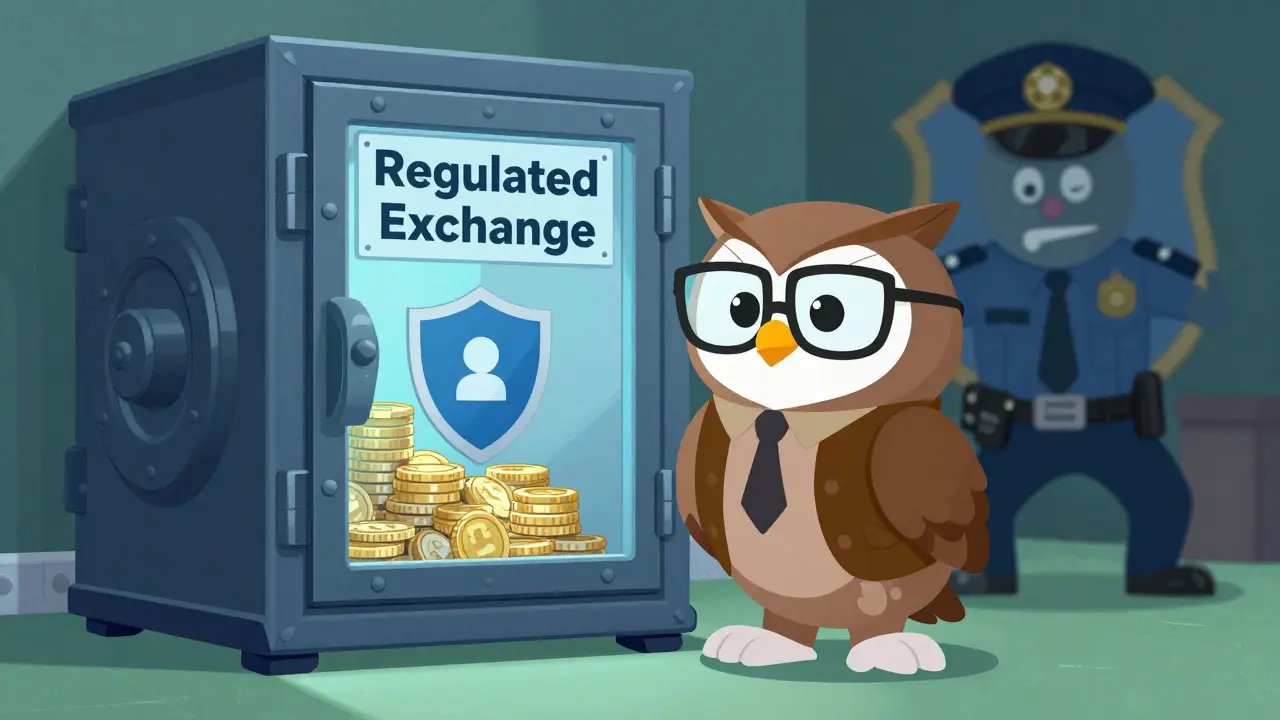
Let’s look at what makes a legitimate exchange different from a risky one. Established platforms like Coinbase or Kraken operate under strict financial regulations. They publish their quarterly reports, disclose their security audits, and have clear customer support channels. Now, compare that to the typical profile of obscure platforms like Globalcryptox.
When I dug into the background of similar unverified platforms, a pattern emerged. These sites often lack a physical address. Their "About Us" pages are filled with generic stock photos of people shaking hands or abstract tech graphics. There are no names of founders, no LinkedIn profiles to cross-reference, and no history of public operations. This anonymity is a massive red flag. In finance, if you don't know who you're giving your money to, you should assume they might disappear with it.
Another major issue is the lack of regulatory licensing. Legitimate exchanges must register with bodies like the Financial Conduct Authority (FCA) in the UK, the SEC in the US, or FinCEN. A quick search for Globalcryptox reveals no such registrations. Without these licenses, there is no legal recourse if something goes wrong. Your funds are not protected by insurance schemes like FDIC or SIPC equivalents in the crypto space. You are entirely on your own.
How the "High Return" Trap Works
Most users get hooked because of the promise. Platforms like Globalcryptox often claim to use advanced AI algorithms to trade Bitcoin, Ethereum, or other altcoins on your behalf. They promise daily returns of 1% to 5%. Let’s do some simple math. If you invest $1,000 and make 1% daily, compounded, you’d have over $37,000 in just six months. That sounds too good to be true because it is.
Professional hedge funds, managed by the brightest minds in finance, struggle to beat the market by even 10-15% annually. No algorithm can consistently guarantee double-digit monthly returns without taking extreme risks that usually lead to total loss. These platforms rely on new deposits to pay out early users-a classic Ponzi scheme structure. Eventually, the flow of new money stops, and the operators vanish, leaving thousands of users unable to withdraw their funds.
I’ve spoken with traders who fell for this exact model. They started small, saw a few withdrawals go through smoothly, and then increased their deposit size. Once they tried to pull out their larger balance, the excuses began: "technical maintenance," "high network fees," or "security verification." Then, silence. This is the standard playbook for fraudulent crypto exchanges.

Security and Withdrawal Nightmares
Security is another area where unverified platforms fail. Reputable exchanges use cold storage for the majority of user funds, multi-signature wallets, and two-factor authentication (2FA). They undergo regular third-party security audits. For Globalcryptox, there is no evidence of any such measures. The website itself may use HTTPS, but that only means the connection between your browser and their server is encrypted. It says nothing about whether the data on the other end is safe or if the site is even real.
Withdrawals are where the rubber meets the road. On legitimate platforms, you can withdraw your funds at any time, subject to standard processing times. On sketchy platforms, withdrawals are heavily restricted. You might need to pay a "tax fee" or a "verification fee" before you can access your money. Never send more money to unlock your existing money. That is always a scam.
Furthermore, these platforms often require you to connect your personal wallet directly to their interface. This gives them potential access to your private keys or allows them to drain your connected wallet if you approve a malicious transaction. Always check permissions carefully. If a platform asks for more access than necessary, disconnect immediately.
Better Alternatives for Trading Crypto in 2026
If you want to trade cryptocurrencies safely, there are plenty of established options. In 2026, the market has matured significantly. Here are three types of platforms you should consider instead:
- Regulated Centralized Exchanges (CEX): Platforms like Coinbase, Kraken, or Binance (where available) offer high liquidity, strong security, and regulatory compliance. They are ideal for beginners who want peace of mind.
- Decentralized Exchanges (DEX): Protocols like Uniswap or PancakeSwap allow you to trade directly from your wallet without handing over custody to a central entity. This reduces counterparty risk but requires you to manage your own security.
- Custodial Wallets with Trading Features: Services like Trust Wallet or Ledger Live integrate hardware security with easy access to decentralized apps (dApps), offering a balance of convenience and control.
Each of these options has transparent teams, open-source code (in the case of DEXs), and millions of active users. You can read independent reviews, check regulatory status, and see real-time performance data. Contrast this with the opacity of Globalcryptox, and the choice becomes clear.
| Feature | Legitimate Exchange (e.g., Coinbase) | Unverified Platform (e.g., Globalcryptox) |
|---|---|---|
| Regulatory Status | Licensed & Audited | Unknown / None |
| Company Ownership | Publicly Listed or Transparent Team | Anonymous |
| Return Promises | Market-Dependent | Guaranteed High Daily Returns |
| Withdrawal Process | Standard Fees, Clear Timelines | Hidden Fees, Delays, Blocks |
| User Reviews | Mixed, Verifiable on Trustpilot | Fake or Non-Existent |
What To Do If You've Already Deposited
If you have already sent money to Globalcryptox or a similar unverified platform, act quickly. First, stop sending any more funds. Do not believe promises that paying a small fee will unlock your large balance. Second, document everything. Take screenshots of your account, transaction hashes, communications with support, and any promotional materials that promised specific returns.
Contact your bank or credit card issuer immediately. Explain that you were a victim of fraud. While chargebacks for cryptocurrency transactions are difficult due to the irreversible nature of blockchain transfers, some banks may still help if the initial transfer was made via fiat currency methods like wire transfer or card payment. Report the incident to local authorities and cybercrime units. In New Zealand, you can report scams to the Police Online. In the US, file a report with the FTC and the FBI’s Internet Crime Complaint Center (IC3).
Finally, warn others. Share your experience on forums like Reddit’s r/CryptoCurrency or r/Scams. Public awareness helps prevent others from falling into the same trap. While you may not recover your funds, helping the community stay safe is valuable.
Protecting Yourself in the Future
The crypto space is full of innovation, but also deception. Protecting yourself starts with skepticism. Ask tough questions before investing. Who owns the platform? Where are they registered? How long have they been operating? Can you verify their security practices independently?
Educate yourself on basic blockchain principles. Understand that if you don’t hold your private keys, you don’t truly own your crypto. Use hardware wallets for long-term storage. Stick to well-known, audited platforms for trading. And remember, if an offer seems too good to be true, it almost certainly is. Your capital is your responsibility. Guard it wisely.
Is Globalcryptox a legitimate cryptocurrency exchange?
There is no verifiable evidence that Globalcryptox is a legitimate exchange. It lacks regulatory licenses, transparent ownership information, and credible user reviews. These are strong indicators of a potentially fraudulent operation.
Can I withdraw my money from Globalcryptox?
Users of unverified platforms often face significant difficulties withdrawing funds. Common tactics include demanding additional fees, citing technical issues, or simply ignoring withdrawal requests. If you suspect fraud, contact your bank immediately.
How can I identify a crypto scam before depositing?
Look for red flags such as guaranteed high returns, anonymous team members, lack of regulatory registration, and pressure to deposit quickly. Always research the platform on independent review sites and verify its legal status in your jurisdiction.
What are the safest ways to trade crypto in 2026?
The safest methods involve using regulated centralized exchanges like Coinbase or Kraken, or decentralized exchanges (DEXs) with open-source code like Uniswap. Always enable two-factor authentication and store long-term holdings in hardware wallets.
Should I pay a fee to unlock my stuck funds?
Never pay extra fees to unlock funds on an unverified platform. This is a common scam tactic designed to extract more money from victims. Legitimate exchanges deduct fees automatically from the withdrawal amount, not as separate upfront payments.
Melissa L
June 27, 2026 AT 17:06honestly this post is so helpful. i was looking at globalcryptox yesterday and it looked sus. thanks for the warning.
Ryan Peters
June 28, 2026 AT 07:29The entire crypto ecosystem is a Ponzi scheme built on thin air, but these specific 'AI trading' bots are just the dregs of the barrel. It is pathetic that Americans fall for this garbage when we have legitimate financial institutions that actually follow the rule of law. The SEC should be shutting these domains down within hours, not weeks. You people need to stop chasing yield like lab rats in a maze. If you can't afford to lose it, don't touch it. Simple as that.
ross harris
June 29, 2026 AT 23:49Oh, look at us, playing detective with our little magnifying glasses. Globalcryptox isn't a scam; it's a lesson in human greed wrapped in a shiny UI. The 'scam' isn't the platform, it's the user who thinks they're smarter than the algorithm. I've seen portfolios turn to dust overnight on Coinbase too, yet we only scream when the exit liquidity is taken by faceless entities. It's all theater. The house always wins, whether it's Vegas or a server farm in Delaware. Wake up, sheeple. Your 'safe' exchanges are just slower grinders.
Routh Middaugh
June 30, 2026 AT 22:56I think we should all take a moment to reflect on why these platforms exist. They exist because there is demand! People want easy money. Is it wrong to want easy money? No. Is it risky? Yes. But let's not pretend the traditional banking system is any less opaque. At least crypto is transparent on the blockchain. We just need better education, not more fear-mongering articles. That said, if a site has no address, I'd probably steer clear too. Just saying...
Carl Belgrave
July 2, 2026 AT 07:32Listen here, you naive fools. This is exactly why America needs stricter controls on digital assets. These offshore scammers prey on our citizens because we allow this wild west mentality to flourish. I lost my uncle's retirement savings to a similar bot last year. He believed the hype. Now he's broke. Don't be stupid. Stick to stocks. Stick to bonds. Stay out of this digital casino until it's regulated properly. Your ignorance is costing you dearly.
Carl Hanzel
July 3, 2026 AT 01:50You're all missing the point entirely. The real scam is the narrative that 'education' will save you. It won't. Greed blinds everyone equally. I see people posting about their losses here, seeking validation, while others double down. It's tragic. Truly. And don't give me that 'regulated exchange' nonsense. FTX was regulated-ish and look what happened. Nothing changes. The game is rigged from the start. Enjoy your delusions.
Daniel J. Cox
July 5, 2026 AT 01:33Hey folks, just wanted to chime in from the other side of the pond 🌍. We see this stuff all the time over here. The key is really just patience. Crypto moves fast, but scams move faster. Take your time, do the research, and don't let FOMO drive your decisions. Happy trading, stay safe! ✨
Emma Rémond
July 6, 2026 AT 22:01It is frankly astonishing how low the barrier to entry is for these fraudulent entities, and even more disheartening how easily the general public falls for such rudimentary social engineering tactics. The lack of due diligence displayed by the average retail investor is staggering. One would assume that in 2026, basic financial literacy regarding regulatory frameworks would be ubiquitous. Instead, we have this... circus. Disgraceful.
ELNORA JEFFERSON
July 8, 2026 AT 03:32Boring article. Everyone knows crypto is risky. Why write 2000 words about it? I just use Binance and never worry about it. Whatever.
Carol @minaszilda
July 8, 2026 AT 15:19Thank you for sharing this important information. It is crucial that we look out for each other in this space. Please remember to verify all sources before investing. Safety first!
John Curry
July 10, 2026 AT 08:45The sheer audacity of these operators is breathtaking. To promise guaranteed returns in a volatile market is not just unethical, it's criminal negligence. I feel a profound sense of sorrow for those who have lost everything. The human cost of this greed is immeasurable. We must remain vigilant, not just for ourselves, but for the integrity of the entire financial system. Darkness prevails where transparency is absent.
Trent Erman1
July 10, 2026 AT 18:06Great breakdown! 👍 Always check the team behind the project. If you can't find their LinkedIn profiles, run away! Stay safe out there traders! 💪🚀
Fiona Ellis
July 11, 2026 AT 12:30I personally know someone who tried to withdraw from a similar platform last month. 😱 It took them three weeks to get their funds back, and then they had to pay a 'tax'. Absolutely horrifying. Make sure you read the terms and conditions carefully! 📜💔
Nicole Woessner
July 13, 2026 AT 02:03i totally agree with this. its scary how many people still fall for it. i stick to hardware wallets mostly. feels safer that way. good info though
Jon Milton
July 14, 2026 AT 11:03Look, I get the frustration, but let's keep it civil. The author made some valid points about regulation. However, we also need to acknowledge that innovation often outpaces regulation. It's a double-edged sword. We shouldn't throw the baby out with the bathwater. Just be smart about it.
Sajjad Ghorbani Moghaddam
July 16, 2026 AT 06:28If anyone wants to learn more about how to spot these scams, I can share some resources. It's important to stay informed. Let me know if you guys need help verifying a platform.
Rebecca Shoniker
July 16, 2026 AT 12:49This is precisely the kind of analysis that is lacking in most mainstream media coverage. The juxtaposition of 'high-tech' promises with 'zero-risk' claims is logically incoherent. Furthermore, the absence of regulatory oversight is not merely a red flag; it is a glaring beacon of fraud. Users must exercise extreme caution. Period.
Jay Sharma
July 16, 2026 AT 15:53Its all part of the plan. The government wants you to lose money so you stay poor. Real freedom is holding your own keys. These centralized exchanges are just surveillance tools anyway. Globalcryptox might be a scam, but Coinbase is worse. They track everything. Wake up.
Scott Miller
July 17, 2026 AT 21:12Don't listen to the haters! Crypto is the future! Sure, there are scams, but there are also opportunities. You just gotta be bold. If you're scared, you'll never win. Get in now before it's too late! 🚀🚀🚀
Abby Martin
July 19, 2026 AT 14:01Can we stop pretending that 'DYOR' (Do Your Own Research) is enough? Most people literally cannot distinguish between a whitepaper and a napkin sketch. It's morally reprehensible that these platforms target vulnerable individuals. We need systemic change, not just individual warnings. Shame on everyone who promotes these without vetting.
Mélanie Boulay
July 21, 2026 AT 12:27I find it quite intriguing how the article highlights the importance of transparency, yet the cryptocurrency industry as a whole struggles with this very concept. While I appreciate the detailed breakdown of the red flags associated with Globalcryptox, one must consider the broader implications of decentralized finance and how it challenges traditional notions of accountability. It is a complex issue that requires nuanced discussion rather than simple condemnation. Nevertheless, caution is always advised.
Maurice Flynn
July 22, 2026 AT 21:10Stay chill, everyone. The market corrects itself eventually. Scams burn out, legit projects survive. Keep learning, keep growing. You got this! 🙏
nancy jarecki
July 24, 2026 AT 15:35Pah. Another sensationalist piece designed to frighten the masses. Of course, Globalcryptox is a scam. Who doesn't know that? The real question is why regulators are asleep at the wheel. But I suppose that's too complex for a blog post. Read between the lines, people. The elite are consolidating power through these 'regulations'.
Robert Hundley
July 25, 2026 AT 14:35Yo, great post! 😎 Really opened my eyes. I was almost gonna sign up for something similar. Thanks for saving my wallet! Keep up the good work! 🔥