El Salvador Bitcoin: How the Country Went All-In on Crypto
When El Salvador Bitcoin, the first national adoption of Bitcoin as legal tender. Also known as Bitcoin law, it sparked global debate on whether crypto can replace traditional money. In September 2021, El Salvador became the first country to make Bitcoin legal tender alongside the U.S. dollar. No other nation has taken that step—yet. The move wasn’t theoretical. It was enforced. People could pay taxes, buy coffee, or rent a taxi with Bitcoin. The government even rolled out a digital wallet, Chivo, and gave $30 in Bitcoin to every citizen who signed up. But behind the headlines, things got messy fast.
Behind the scenes, Bitcoin adoption, the real-world use of Bitcoin for daily transactions didn’t take off like promised. Most Salvadorans didn’t use it for shopping. They cashed out immediately, turning Bitcoin into dollars. Why? Because prices didn’t drop, stores didn’t discount for Bitcoin, and the app kept crashing. Meanwhile, Salvadoran crypto, the local ecosystem of crypto users, businesses, and regulators in El Salvador became a mix of early adopters, foreign investors, and scam artists. Some businesses accepted Bitcoin to qualify for government grants. Others took it just to avoid bank fees. But the average person? They stayed skeptical. And when the price dropped in 2022, the government’s $100 million Bitcoin treasury took a hit—making the whole experiment look riskier.
What’s often missed is how this move changed the conversation around digital currency, any form of money that exists electronically and can be transferred without physical cash. El Salvador didn’t just test Bitcoin. It tested whether a poor, dollarized country could use crypto to bypass broken banking systems, reduce remittance fees, and attract tech investment. The results? Mixed. Remittance costs did fall slightly. A few startups moved in. But the country’s credit rating dropped, and international lenders got nervous. Still, the experiment didn’t fail—it evolved. Today, Bitcoin ATMs are everywhere. Some schools teach crypto basics. And more people understand wallets than ever before. It’s not a utopia. But it’s not a flop either. It’s real. And it’s the only live case study we have.
If you’re wondering whether Bitcoin can actually work as money—or if El Salvador’s gamble was bold or foolish—you’ll find answers in the posts below. We’ve dug into the real user experiences, the failed projects that rode the wave, the exchanges that dropped out, and the wallets that actually worked. No hype. Just what happened when a country bet everything on crypto.
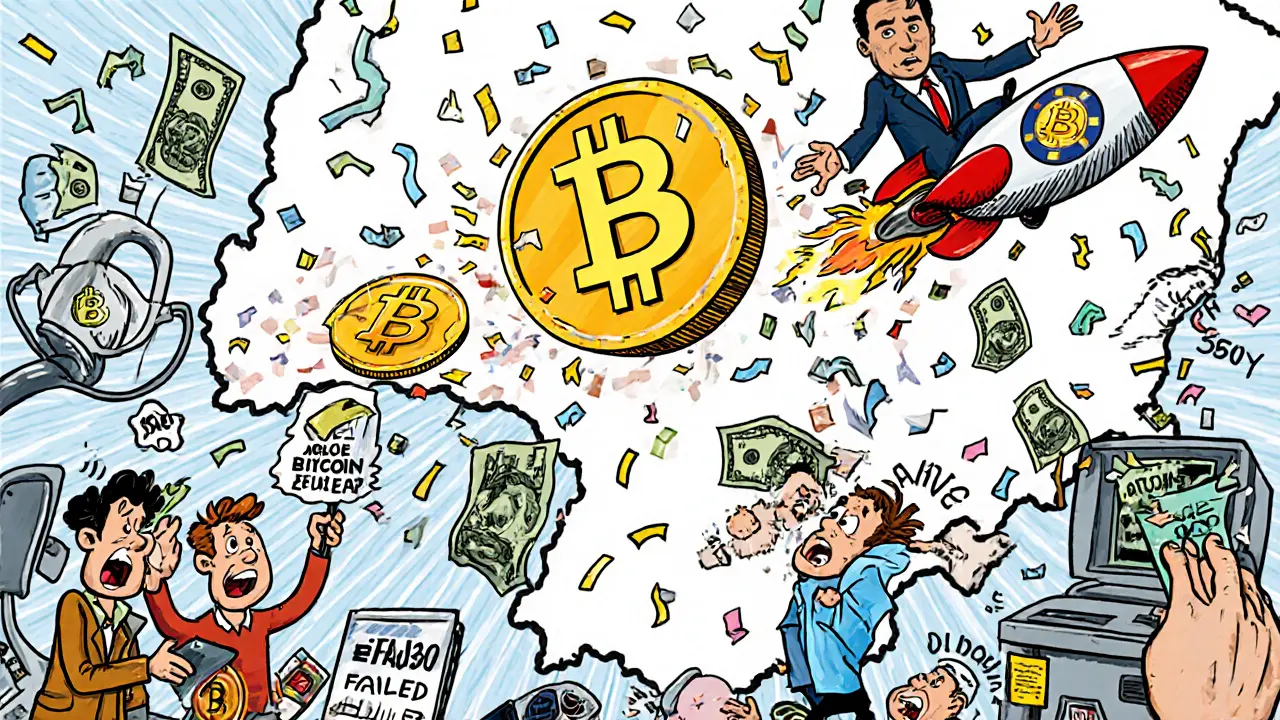
How El Salvador Uses Bitcoin for Its National Economy - And Why It’s Struggling
El Salvador made Bitcoin legal tender in 2021 to boost remittances and financial inclusion. Three years later, most citizens don’t use it. The experiment failed to transform the economy, faced IMF pressure, and left behind a costly lesson in crypto ambition.