Tokenized Assets: What They Are and How They're Changing Finance
When you hear tokenized assets, real-world property or value converted into digital tokens on a blockchain. Also known as digital assets, they let you own a piece of something like a building, a piece of art, or even a share in a wind farm — without buying the whole thing. This isn’t science fiction. It’s happening right now, and it’s changing how money moves.
Tokenized assets rely on blockchain assets, digital representations of value stored on decentralized ledgers. Unlike stocks or bonds issued by banks, these tokens are created and traded directly on networks like Ethereum or Solana. That means fewer middlemen, faster settlements, and 24/7 access. You don’t need a broker to buy 1% of a Manhattan apartment — just a wallet and a smart contract. And because these tokens are programmable, they can automatically pay rent, dividends, or royalties without human intervention.
But tokenization isn’t just about real estate. It’s being used for real-world assets, physical items with tangible value that are now being broken into digital shares like vintage cars, music royalties, carbon credits, and even farmland. In places like Switzerland and the UAE, companies are legally issuing tokenized bonds and commodities. Meanwhile, in countries with unstable currencies or restricted banking — like Algeria or Afghanistan — people are turning to tokenized gold or USD-backed tokens as a way to protect their savings.
Not every tokenized asset is legit, though. Some projects promise ownership but have no real asset behind them. Others lock your tokens in ways you can’t access. That’s why understanding the difference between a true tokenized asset and a fake one matters. Look for proof: Is there a real-world asset being audited? Is the legal structure clear? Are the tokens traded on a real exchange? The posts below dig into exactly that — from scams pretending to be tokenized real estate, to platforms making it easier to buy fractions of high-value assets, to how governments are starting to regulate this new kind of ownership.
What you’ll find here isn’t theory. It’s real cases: tokens with zero supply, platforms that let you trade non-USD stablecoins across borders, and how some countries are trying to ban or control this tech altogether. Whether you’re curious about owning a slice of a building, or just want to avoid getting scammed, this collection gives you the facts — no fluff, no hype, just what’s actually happening on the ground.
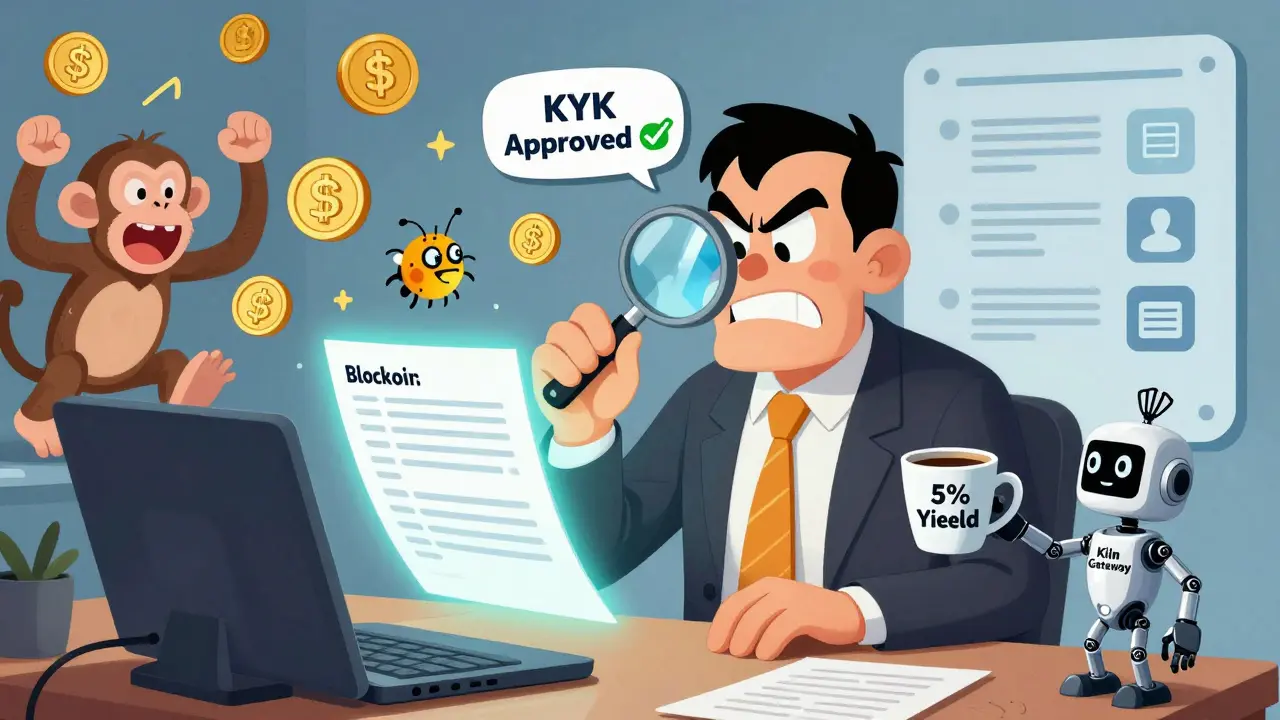
Institutional DeFi Participation: How Banks and Asset Managers Are Entering Decentralized Finance
Institutional DeFi lets banks and asset managers access DeFi yields under regulatory compliance. Learn how tokenized assets, permissioned access, and enterprise gateways are driving $1.2 trillion in adoption by 2027.