Dasset Crypto Exchange Review: What Happened to New Zealand's First Compliant Crypto Platform?
 Feb, 2 2026
When Dasset launched in May 2019, it wasn’t just another crypto exchange. It was New Zealand’s first fully regulated digital asset platform, built to fix a broken system. Before Dasset, Kiwis paid up to 20% more for Bitcoin and Ethereum than people in the U.S. or Europe. That premium wasn’t due to demand-it was because there was no local exchange with real liquidity. People were stuck using risky P2P platforms or offshore services that ignored New Zealand’s financial laws. Dasset changed that. For a while, it worked.
How Dasset Fixed New Zealand’s Crypto Price Problem
Dasset’s core mission was simple: bring local liquidity to New Zealand’s crypto market. It did this by letting users trade directly in New Zealand Dollars (NZD) against over 13 cryptocurrencies at launch, later expanding to more than 30. Unlike other platforms that forced users to convert NZD to USD first, Dasset offered direct NZD pairs. That meant faster trades, lower fees, and prices that matched global markets within 1-3%, down from the old 20% gap. This wasn’t just a convenience-it was a financial win for everyday traders. A person in Auckland could now buy Bitcoin at the same price as someone in Sydney or San Francisco, without paying a hidden tax just for living in a small country. The exchange also offered advanced order types like limit, stop-loss, and iceberg orders, which were rare on local platforms. Professional traders used its API to automate strategies, something few other NZ exchanges supported. Dasset didn’t stop at trading. It partnered with U.S.-based Bittrex in June 2020, giving users access to deeper liquidity and more assets. It hosted local crypto events, ran active social media channels, and even offered a dedicated phone line: 0800 461 240. For a while, it felt like Dasset was building the future of finance in New Zealand.The Banking Crisis That Broke Everything
But behind the scenes, Dasset was fighting a silent war-one it couldn’t win. Cryptocurrency exchanges in small markets like New Zealand rely on traditional banks to move money in and out. That’s a problem. Most banks don’t understand crypto. Some outright refuse to work with it. In January 2025, Dasset’s bank pulled the plug. No warning. No notice. Just a letter saying services were terminated. Suddenly, customers couldn’t deposit NZD. Couldn’t withdraw crypto. Couldn’t even move funds between wallets on the platform. Hundreds of people were locked out. One user tried to withdraw $40,000-his entire life savings-for three months straight. He got personal emails from CEO Stephen Macaskill. Still, nothing moved. The worst part? Dasset kept letting new people sign up. While existing users were stuck, the website kept accepting registrations. It kept collecting KYC documents. It kept promising “fast withdrawals” on its FAQ page. But behind the scenes, the platform was dying. Email addresses vanished. Phone numbers disappeared. The only way to contact them was through a web form that rarely got replies.Liquidation? Or Just Disappearing?
Dasset claimed it had appointed a liquidator. But no liquidator ever showed up. No public reports. No asset inventory. No timeline for refunds. The company’s website changed. The “About Us” page was stripped bare. The team’s LinkedIn profiles went silent. Investors and users were left with nothing but vague promises. Some users reported receiving emails saying their funds were “secure” and “being processed.” Others got nothing. The lack of transparency turned frustration into anger. Reddit threads filled with screenshots of frozen accounts. Twitter threads asked: “Where’s our money?” Dasset’s collapse wasn’t a hack. It wasn’t a scam. It was a systemic failure. A regulated exchange, built to fix New Zealand’s crypto infrastructure, brought down by the very banking system it was trying to integrate with. No criminal charges. No fraud investigation. Just silence.
Who Lost the Most?
The people who lost the most weren’t day traders or speculators. They were regular Kiwis who used Dasset because it was safe, legal, and local. A teacher in Christchurch bought Ethereum to save for a house. A small business owner in Dunedin accepted Bitcoin payments and parked the crypto in Dasset because he trusted its compliance. A retiree in Wellington moved his savings from KiwiSaver into Bitcoin, believing Dasset was the only responsible option. These weren’t gamblers chasing moonshots. They were people trying to do the right thing-and the system failed them. Even now, over a year after the bank cut off access, no one knows how much crypto is still trapped on the platform. No one knows if it’s recoverable. No one knows who’s in charge.What Dasset Got Right (Before It All Fell Apart)
It’s important to remember what Dasset achieved before it collapsed. It proved that a compliant, NZD-based crypto exchange could work. It lowered trading premiums. It brought institutional-grade tools to retail users. It built a local community. It showed that New Zealand didn’t need to rely on offshore platforms to trade crypto safely. Its order book system was technically solid. Its API was well-documented. Its KYC process followed FICA regulations. It was the only platform in the country that offered direct NZD trading with advanced features. For that, it deserves credit. But good technology doesn’t save a business without good banking. And in New Zealand, that’s still the biggest hurdle.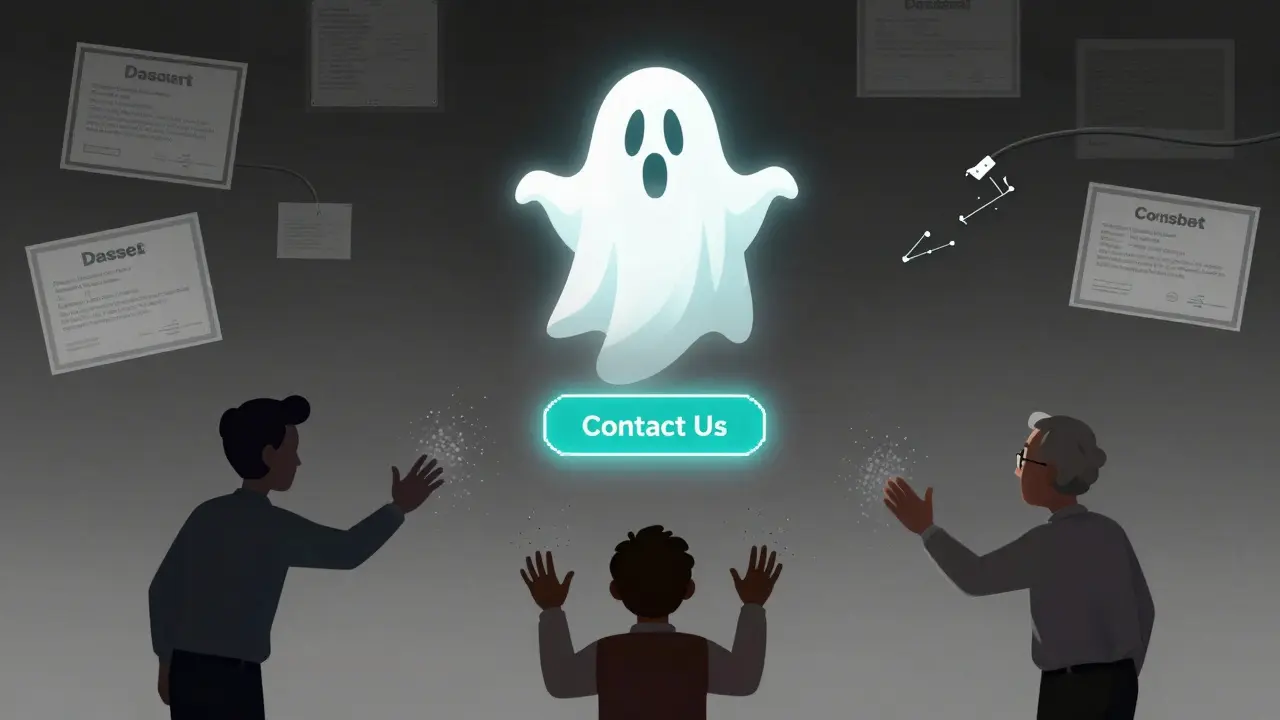
What You Should Know Today
As of February 2026, Dasset is effectively dead. The website still exists, but it’s a ghost. No customer support. No withdrawals. No updates. The company is in legal limbo. If you had funds on Dasset, you’re not alone-but you’re also not getting any official help. There’s no government fund to recover lost crypto. No insurance like SIPC in the U.S. The only path forward is through legal channels, which are slow, expensive, and uncertain. For new users in New Zealand: avoid platforms that don’t have clear, public banking partnerships. If an exchange can’t tell you which bank it uses, walk away. If it doesn’t publish its AML/KYC policy in plain language, walk away. If it’s been around for less than two years and doesn’t have a track record of handling withdrawals during market stress, walk away.Alternatives to Dasset in New Zealand
Since Dasset’s collapse, other platforms have stepped in-but none have fully replaced it. Here are the current options:- Independent Reserve: The oldest NZ-based exchange. Offers NZD deposits, strong compliance, and a clean track record. No API for advanced traders.
- Bitprime Gold: Local, regulated, supports NZD. Good for beginners. Limited asset selection.
- CoinSpot (Australia): Accepts NZ users. Offers more coins and better liquidity, but not NZ-regulated. Withdrawals can take 2-5 days.
- Bybit: Global platform with low fees and high liquidity. No direct NZD deposits. Requires converting to USD first.
Why This Matters Beyond New Zealand
Dasset’s story isn’t just a local tragedy. It’s a warning for every small country trying to build a crypto ecosystem. You can have the best technology. The most transparent rules. The most trustworthy team. But if you can’t get a bank to say yes, you’re one phone call away from collapse. Regulators in New Zealand, Australia, Canada, and Singapore are starting to take notice. Some are pushing for “crypto-friendly banking” frameworks. Others are exploring central bank digital currencies (CBDCs) as a bridge between traditional finance and crypto. Dasset didn’t fail because it was bad. It failed because the system wasn’t ready for it.Is Dasset still operational?
No, Dasset is not operational. The platform stopped allowing withdrawals in January 2025 after its bank terminated its services. Despite claims of liquidation, no official liquidator has been appointed, and customer funds remain inaccessible. The website remains live but no longer supports trading, deposits, or customer support.
Can I get my money back from Dasset?
There is no confirmed path to recover funds. Dasset has not published a recovery plan, asset inventory, or timeline. Users have reported months of silence after submitting requests. Legal action may be possible, but there are no known class-action lawsuits or government assistance programs for crypto losses in New Zealand. Your best option is to document your account history and consult a financial lawyer familiar with digital asset insolvency.
Why did Dasset fail when it was so well-regarded?
Dasset failed because it couldn’t secure a banking partner after its primary bank cut ties. Unlike global exchanges that use multiple financial institutions or crypto-native banks, Dasset relied on a single traditional bank. When that bank withdrew, the entire operation collapsed. No amount of regulatory compliance or good technology could overcome the lack of banking access.
Was Dasset a scam?
No, Dasset was not a scam. It was a legitimate, regulated exchange that operated transparently for years. It lowered crypto premiums in New Zealand, partnered with Bittrex, and followed local financial laws. Its failure was due to operational and banking risks-not fraud. The problem was systemic, not malicious.
What should I look for in a New Zealand crypto exchange today?
Choose an exchange that: 1) Has a clear, public banking relationship (name the bank), 2) Offers direct NZD deposits and withdrawals, 3) Has been operating for at least 3-5 years, 4) Publishes its AML/KYC policy, and 5) Has active customer support with real contact details. Avoid platforms that don’t answer questions about their banking or that accept new users while suspending withdrawals.
Robert Mills
February 3, 2026 AT 14:43rip Dasset.
Kevin Thomas
February 4, 2026 AT 21:44Jerry Ogah
February 5, 2026 AT 05:08Also - why is the website still up? Like a zombie site mocking us all. 🤬
Andrea Demontis
February 5, 2026 AT 10:01Joseph Pietrasik
February 5, 2026 AT 16:34Raju Bhagat
February 5, 2026 AT 23:55laurence watson
February 6, 2026 AT 23:40Rachel Stone
February 7, 2026 AT 10:43now we’re all just staring at the empty plate.
Richard Kemp
February 8, 2026 AT 14:44Gurpreet Singh
February 9, 2026 AT 04:09Will Pimblett
February 10, 2026 AT 15:35Christopher Michael
February 10, 2026 AT 18:45Parth Makwana
February 12, 2026 AT 10:28Mark Ganim
February 13, 2026 AT 08:50mary irons
February 14, 2026 AT 10:39Moray Wallace
February 15, 2026 AT 04:52Dahlia Nurcahya
February 15, 2026 AT 16:05Dylan Morrison
February 15, 2026 AT 20:06William Hanson
February 16, 2026 AT 23:30Lori Quarles
February 17, 2026 AT 14:28Jeremy Dayde
February 18, 2026 AT 15:15Akhil Mathew
February 18, 2026 AT 18:13