China crypto prohibition: How traders bypass restrictions and what it really means
When the Chinese government cracked down on cryptocurrency in 2021, it didn’t just shut down exchanges—it made China crypto prohibition, a sweeping ban on all crypto trading, mining, and exchange operations within national borders. Also known as crypto crackdown in China, it was meant to protect financial stability and control capital flow. But the ban didn’t stop people from using crypto—it just forced them underground. Today, millions still trade Bitcoin, USDT, and other coins, not through official apps, but through peer-to-peer networks, encrypted messaging, and foreign platforms that don’t ask for ID.
This isn’t just about defiance. It’s about survival. With strict capital controls, limited access to global banking, and inflation creeping into everyday life, crypto became a tool for financial freedom—not speculation. P2P crypto China, a system where individuals trade directly with each other using local payment methods like WeChat Pay or Alipay. Also known as crypto peer-to-peer trading in China, it’s the backbone of the underground market. Traders meet in private groups, verify identities through video calls, and complete transactions in minutes. Banks flag these payments as "goods purchases" or "service fees," so they fly under the radar. Meanwhile, buy crypto with fiat China, the act of converting yuan into digital assets without using a licensed exchange. Also known as fiat-to-crypto onramps in China, it’s not illegal to hold crypto—it’s illegal to operate an exchange or promote it publicly. That’s why you won’t see ads for Binance or OKX in China, but you’ll find hundreds of private sellers offering USDT for cash or mobile payments.
The government’s tools are sharp: AI monitors transaction patterns, banks freeze accounts linked to crypto activity, and local police raid homes where mining rigs are found. But the demand hasn’t faded. Young professionals use crypto to send money abroad. Small business owners hold USDT to protect savings from currency devaluation. Even state workers quietly buy Bitcoin as a hedge. The crypto regulations China, a complex web of bans, surveillance, and enforcement with no clear public roadmap. Also known as Chinese crypto policy, it’s less about ideology and more about control—keeping money inside the system where the state can track it. That’s why no official exchange exists anymore, and why every crypto platform claiming to be "China-friendly" is either a scam or a trap.
What you’ll find below isn’t a list of loopholes—it’s a real look at how people are still trading, storing, and using crypto in China today. From verified P2P platforms that work under the radar, to the scams that prey on desperate users, to the wallets and tools that actually keep people safe, these posts cut through the noise. No theory. No fluff. Just what’s happening on the ground, in 2025, where the ban is still in place—but the crypto economy never left.
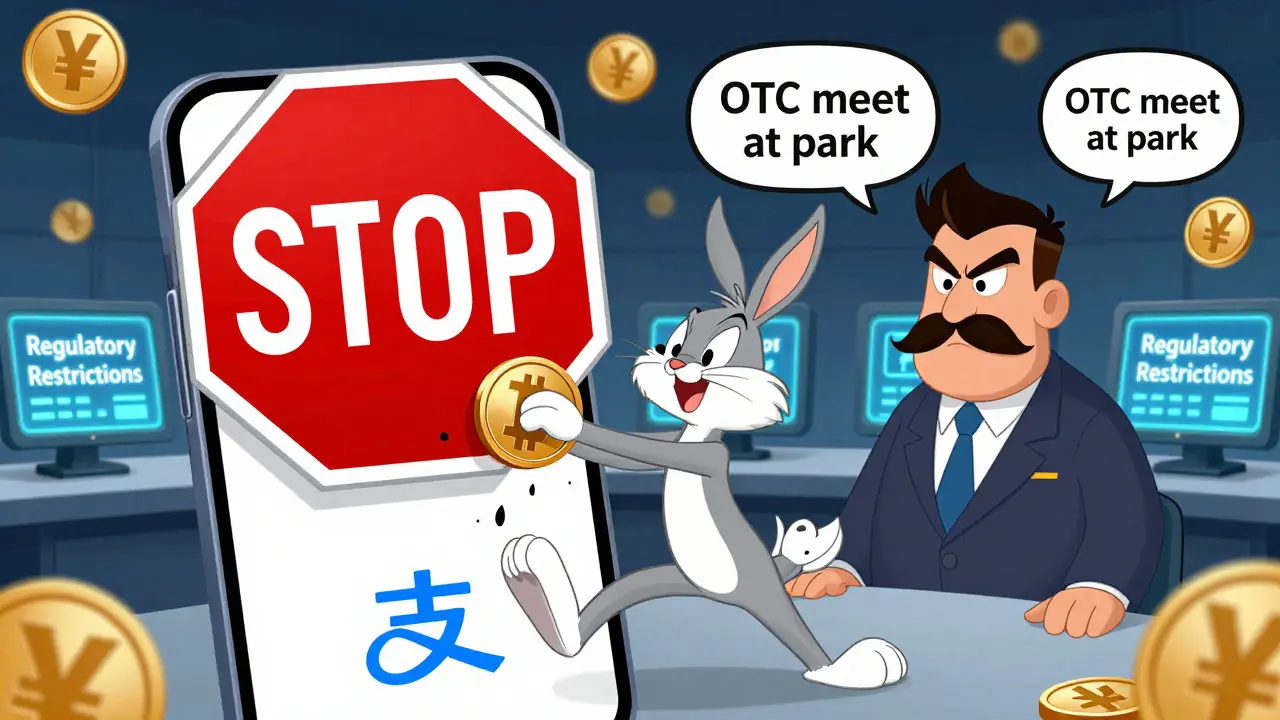
How Alipay and WeChat Pay Enforce China's Crypto Ban in 2025
Alipay and WeChat Pay enforce China's crypto ban by blocking all transactions linked to cryptocurrency. These platforms, backed by state regulators, monitor payments in real time, making it nearly impossible to buy or trade crypto legally in mainland China.