Regulated DeFi: What It Really Means and Where It’s Happening
When you hear regulated DeFi, Decentralized Finance systems operating under government oversight, not in the wild west of crypto. Also known as compliant DeFi, it’s the shift from anonymous protocols to platforms that answer to real-world rules. This isn’t about killing innovation—it’s about survival. If you’re using DeFi apps, you’re already affected by regulation, whether you realize it or not.
Take Singapore’s MAS, Monetary Authority of Singapore, one of the strictest crypto regulators globally. Also known as MAS, it effectively shut down most new crypto licenses in 2025, forcing DeFi platforms to either comply or leave. Meanwhile, Zug, Switzerland, the Crypto Valley hub with tax-free gains and legal DLT trading. Also known as Crypto Valley, it lets DeFi projects thrive under clear, business-friendly rules. These aren’t opposites—they’re two sides of the same coin: regulation as a filter. Some places make it hard to operate. Others make it worth it.
Regulated DeFi doesn’t mean centralized control. It means transparency. It means knowing who’s behind the code. It means exchanges like CEX.IO, a verified, long-standing exchange with no breaches in over a decade. Also known as regulated crypto exchange, it’s one of the few platforms that lets you buy crypto with PayPal or bank transfer while staying on the right side of the law. Compare that to platforms like Coinrate—fake, unregulated, and gone in months. The difference? One follows rules. The other ignores them until it collapses.
And it’s not just about exchanges. Countries like Algeria and Afghanistan have banned crypto entirely. China blocks payments through Alipay and WeChat Pay. Australia won’t let privacy coins be listed. These aren’t random acts—they’re responses to real risks: money laundering, scams, and system instability. Regulated DeFi is the path for projects that want to last. For users, it means fewer rug pulls. For developers, it means clearer rules. For investors, it means less guesswork.
What you’ll find here isn’t theory. It’s real cases: how Kazakhstan controls mining power, how UAE free zones issue licenses, how Australia quietly bans Monero, how Singapore’s Travel Rule forces KYC on DeFi swaps. These aren’t headlines. They’re daily realities. If you’re using DeFi in 2025, you’re already in a regulated world. The question isn’t whether regulation matters—it’s whether you’re ready for it.
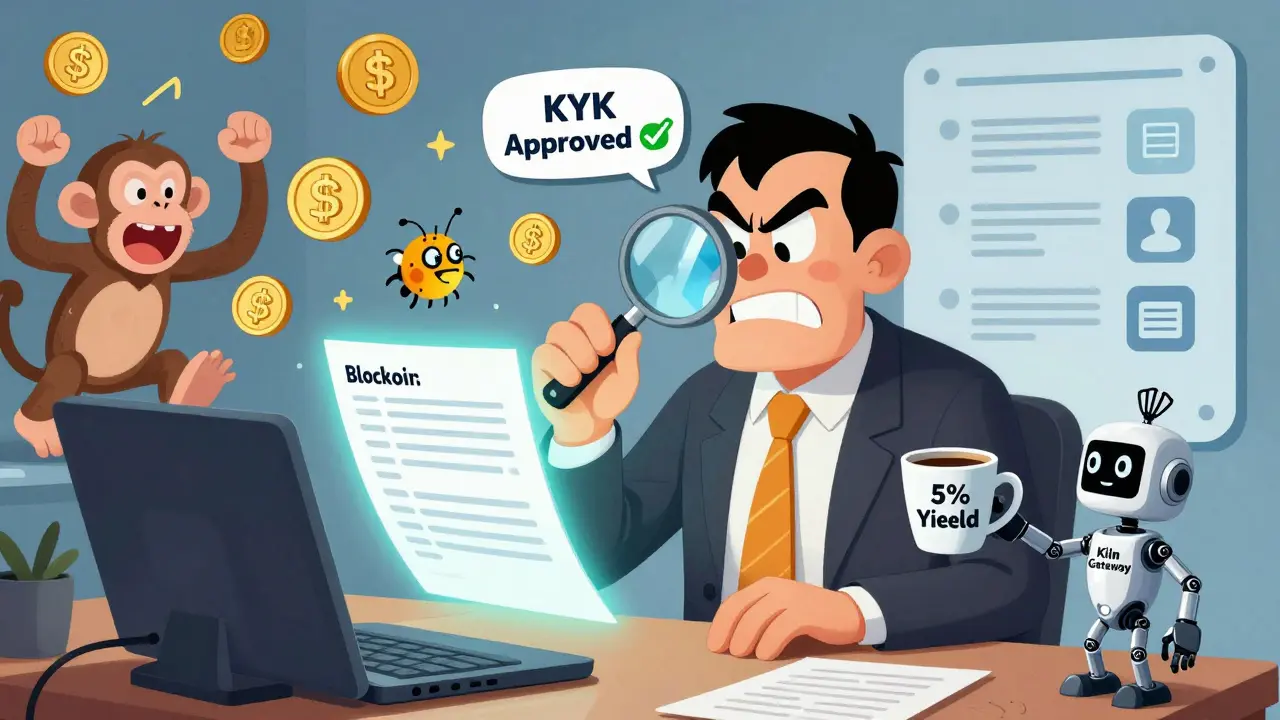
Institutional DeFi Participation: How Banks and Asset Managers Are Entering Decentralized Finance
Institutional DeFi lets banks and asset managers access DeFi yields under regulatory compliance. Learn how tokenized assets, permissioned access, and enterprise gateways are driving $1.2 trillion in adoption by 2027.