DeFi
When working with DeFi, short for Decentralized Finance, a blockchain‑based system that lets anyone borrow, trade, or earn without banks. Also known as Decentralized Finance, it connects users directly through smart contracts. A core piece of this ecosystem is the Decentralized Exchange, a platform where tokens swap without a central order book, and another hot tool is Flash Loans, instant, unsecured loans that must be repaid in a single transaction. Recently, Restaking, the practice of locking staked assets again to earn extra yield and boost security has started reshaping how validators protect networks. These four concepts together shape what modern crypto investors actually do every day.
Key Concepts Covered
DeFi encompasses a range of services that were once exclusive to banks. One of the most visible services is the Decentralized Exchange, which requires automated market makers (AMMs) to provide liquidity. AMMs let anyone become a liquidity provider, earning fees proportional to the pool’s size. Platforms like Uniswap, PancakeSwap, and the newer zkSync Era versions illustrate how DEXes lower entry barriers and enable 24/7 trading. DeFi also includes flash loans, a tool that lets savvy traders execute arbitrage, collateral swaps, or liquidation strategies without upfront capital. Because the loan must be repaid within the same block, the risk is limited to contract bugs or price slippage.
Flash loans influence market dynamics: they can quickly correct price discrepancies across DEXes, but they also expose vulnerabilities when malicious actors exploit poorly audited contracts. Understanding fee structures on platforms like Aave, dYdX, or the emerging Luna-based flash loan services helps you gauge profitability before you write any code. If you’re new, start by simulating a simple arbitrage between Uniswap v4 on Base and SushiSwap on Arbitrum Nova – the difference in gas costs versus profit margin is a practical lesson in risk management.
Restaking adds another layer to the security puzzle. By taking staked assets from one protocol (e.g., EigenLayer) and delegating them again to a secondary network, you earn extra yields while reinforcing that network’s validator set. The trade‑off is increased exposure: if the primary protocol slashes, your secondary stake suffers too. Tracking restaking tokenomics – such as the liquid restaking token (LRT) price, APR, and withdrawal lock‑up periods – is essential for balancing reward against systemic risk.
Liquidity, tokenomics, and security are interwoven threads. A DEX’s token often funds liquidity incentives, which in turn affect flash loan profitability and restaking opportunities. For example, a platform that distributes governance tokens to LPs may see higher pool depth, reducing price impact for flash‑loan arbitrage. Conversely, aggressive token emissions can inflate token price, making the same pool less attractive for long‑term staking.
All these pieces form a living web: DeFi provides the framework, DEXes enable token swaps, flash loans let you leverage momentary price gaps, and restaking strengthens the underlying consensus while adding yield. By grasping how each component works and interacts, you’ll be ready to move from theory to action.
Below you’ll find a curated list of deep‑dive articles that break down each of these topics, from beginner‑friendly guides on how to add liquidity to advanced reviews of the latest DEX deployments on Layer‑2 networks. Dive in, pick the piece that matches your skill level, and start experimenting with real‑world DeFi strategies.
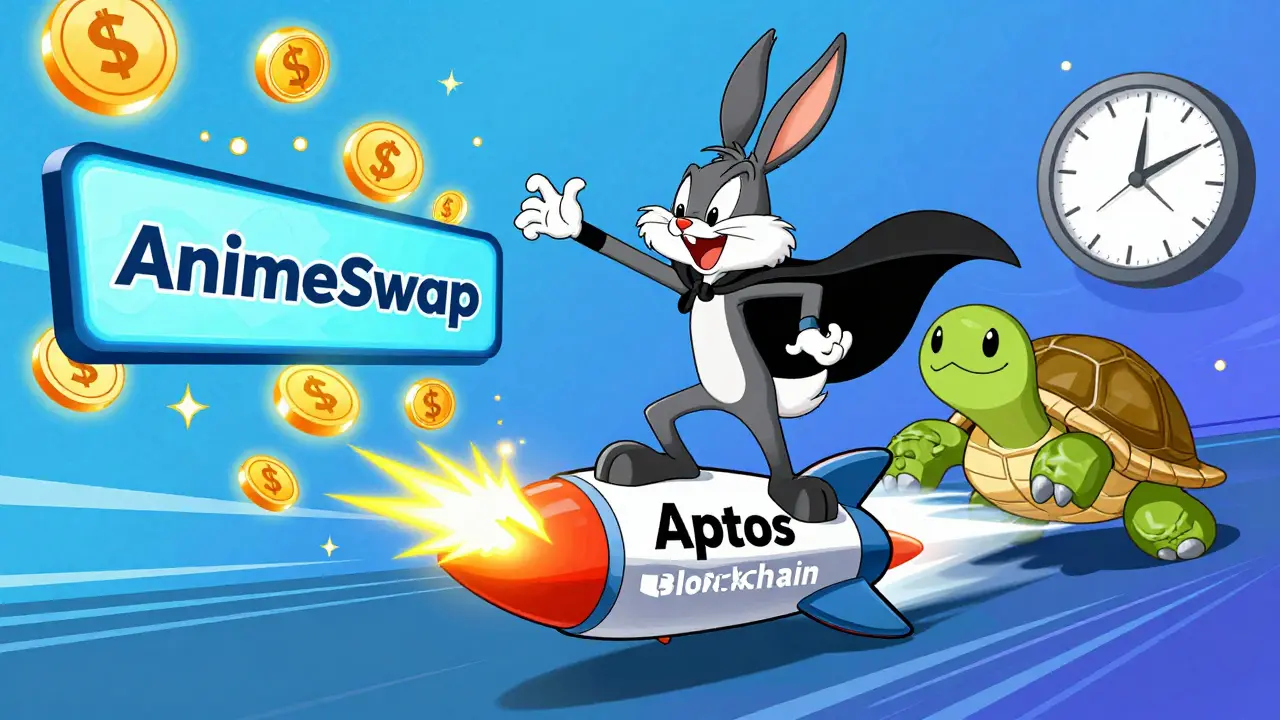
AnimeSwap (Aptos) Crypto Exchange Review: What You Need to Know Before Trading
AnimeSwap on Aptos offers lightning-fast, low-fee trading for Aptos-native tokens. With near-instant confirmations and user-friendly design, it's a top DEX for users already in the Aptos ecosystem - but not for Bitcoin or Ethereum traders.
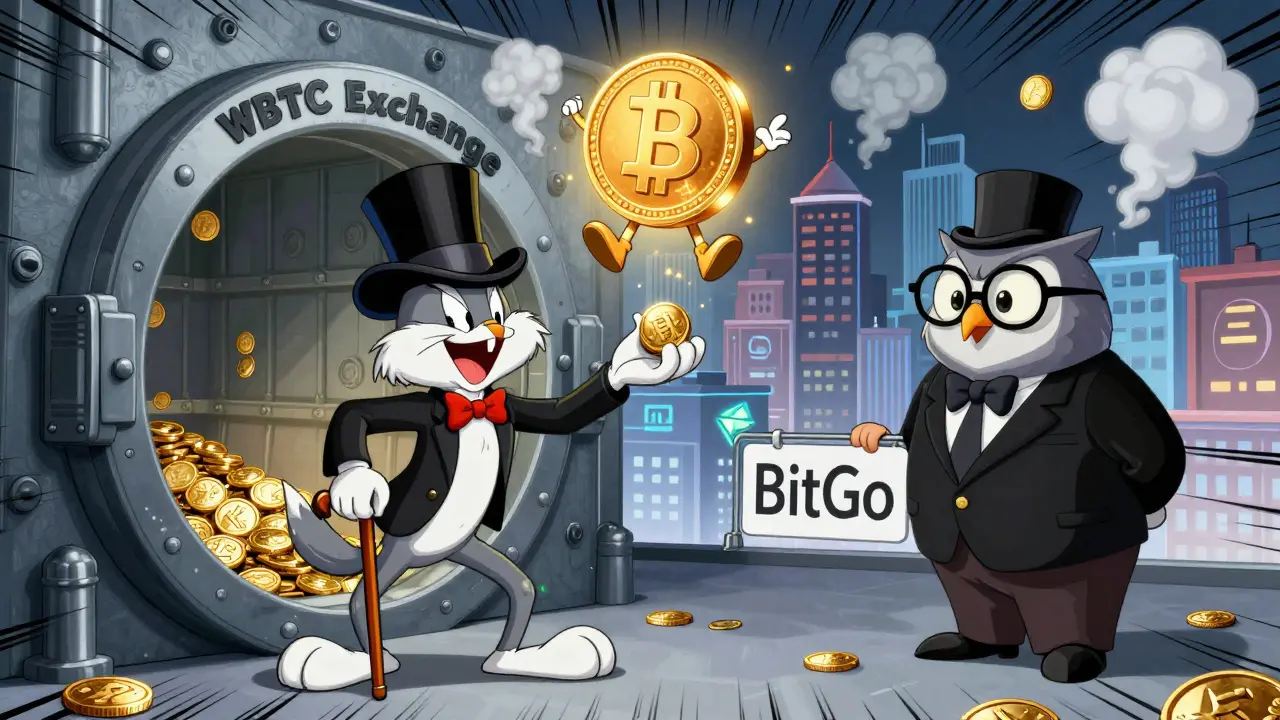
What Are Wrapped Assets in DeFi? Understanding Cross-Chain Tokens Like WBTC and WETH
Wrapped assets like WBTC and WETH let you use Bitcoin and Ethereum across DeFi platforms without selling them. Learn how they work, their risks, and why they're still essential in 2026.
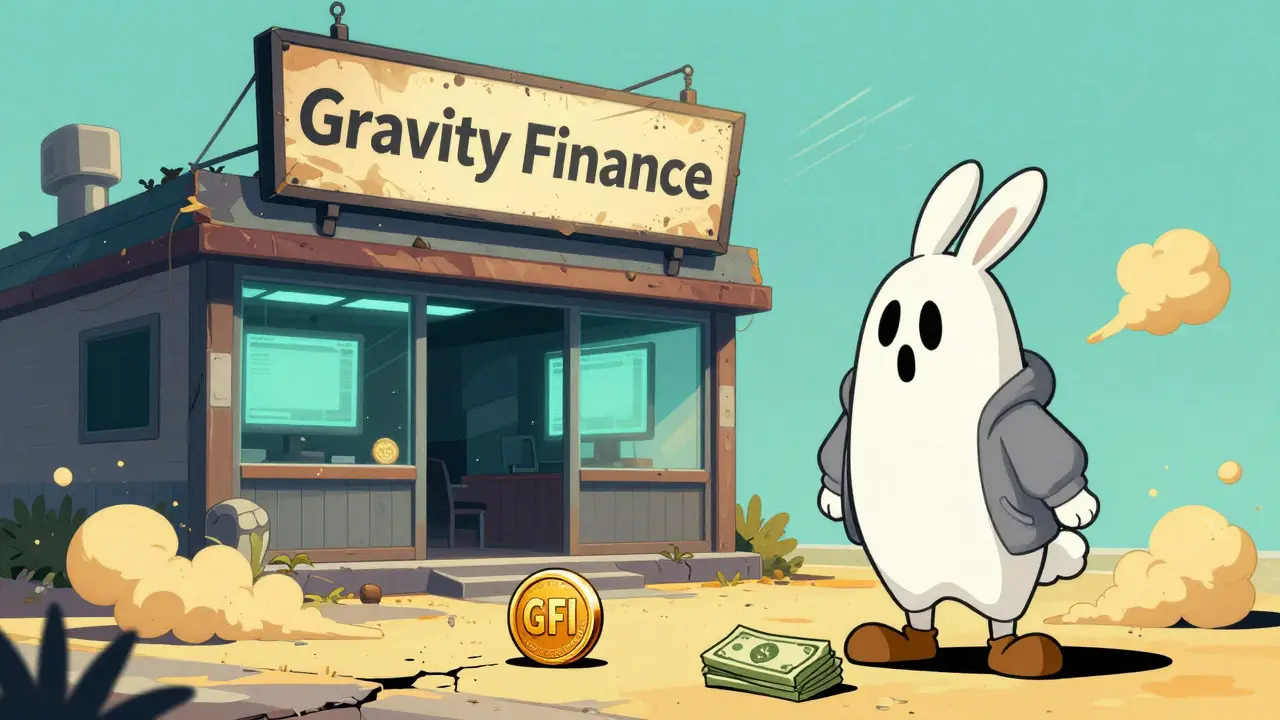
Gravity Finance Crypto Exchange Review: A Niche DEX with Limited Liquidity
Gravity Finance is a tiny, inactive decentralized exchange with minimal trading volume, no transparency, and no future roadmap. Avoid it for trading or investing.

PancakeSwap V3 (opBNB) Crypto Exchange Review: Speed, Fees, and Limited Pairs
PancakeSwap V3 on opBNB offers ultra-low fees and fast trades for major crypto pairs like USDT/WBNB. Ideal for experienced DeFi users seeking efficiency, but limited to just three trading pairs.
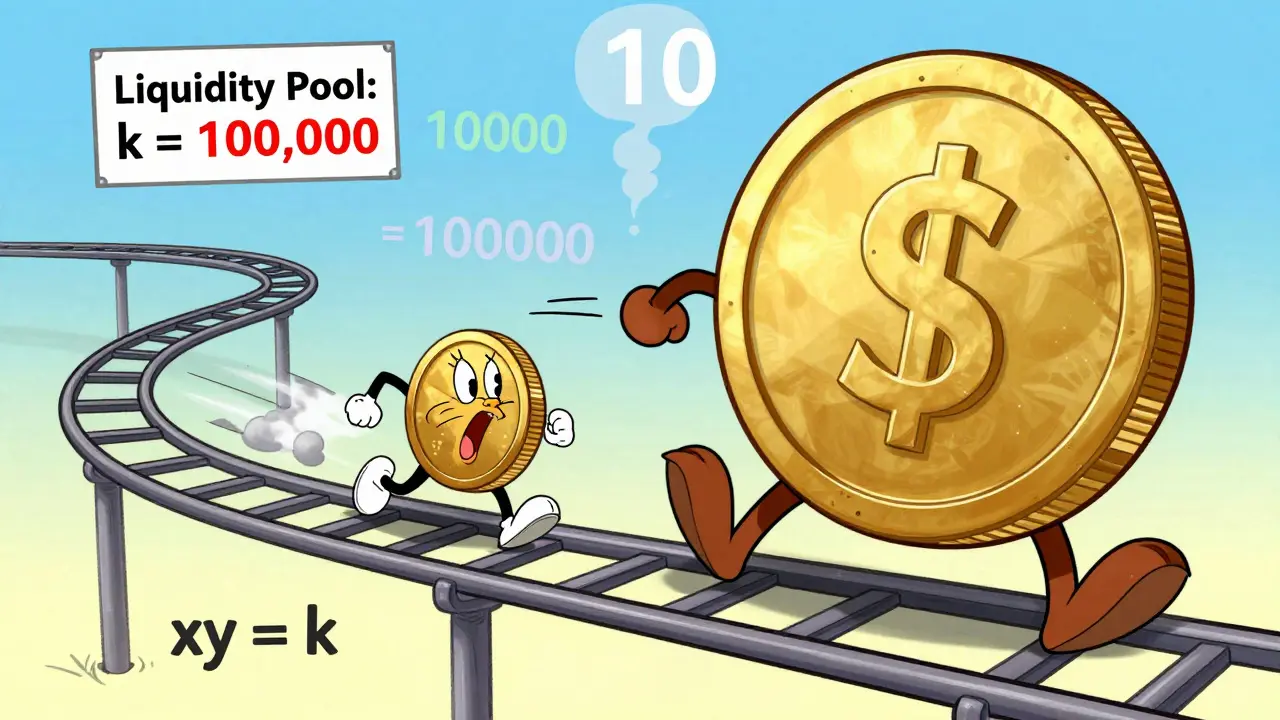
Understanding the Constant Product Formula in DeFi and Mathematics
The constant product formula (xy = k) powers decentralized exchanges like Uniswap by automatically pricing token swaps. Learn how it works, why it causes slippage, and how it connects to physics and math.
Best DeFi Lending Platforms in 2025: Top Choices for Yield and Security
Discover the top DeFi lending platforms in 2025 for safe, high-yield crypto lending. Compare Aave, Compound, MakerDAO, JustLend, and Morpho with real APYs, fees, and user insights.
Perpetual Protocol Crypto Exchange Review: Decentralized Perpetual Trading in 2025
Perpetual Protocol is a decentralized crypto exchange for perpetual futures with no KYC or custody risk. In 2025, it faces liquidity challenges after Binance delisted PERP, but its vAMM tech and permissionless markets still offer a unique DeFi alternative.
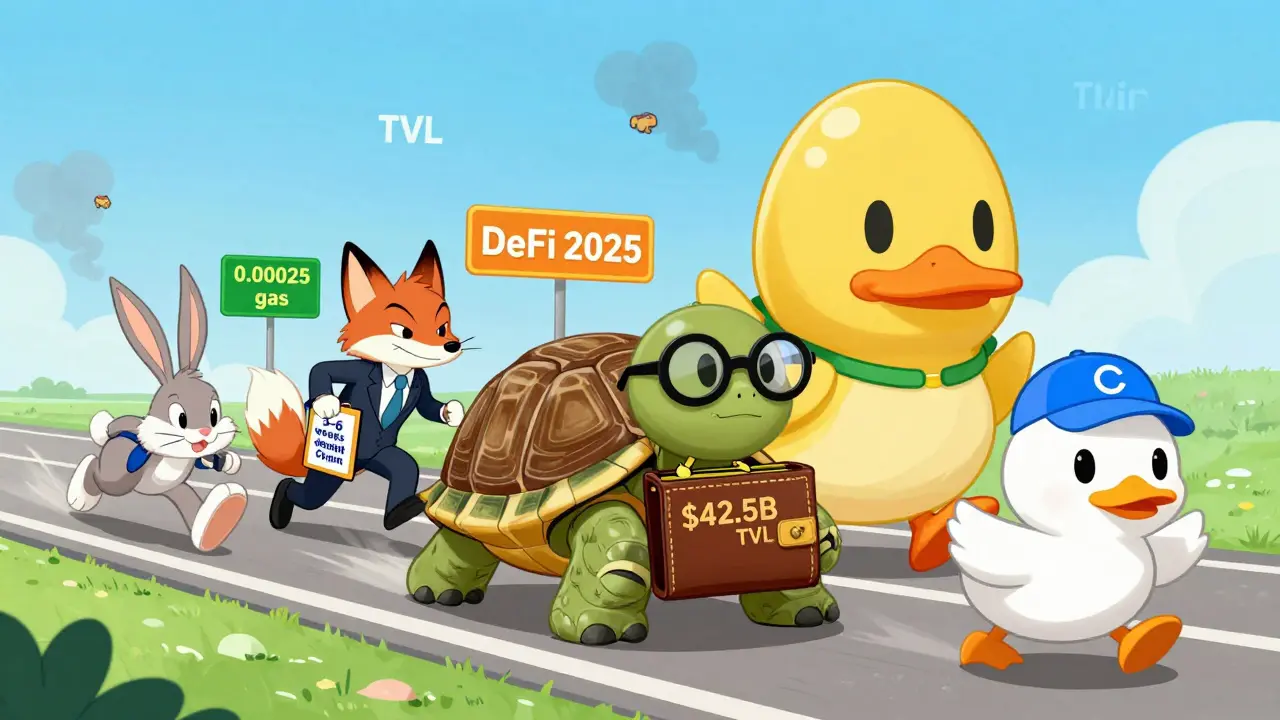
TVL Distribution Across Blockchain Networks in 2025
TVL distribution in 2025 shows Ethereum still leading with $42.5B, but Layer-2s like Base and Solana are gaining fast. Learn how real users, stablecoins, and inflated metrics shape where DeFi money flows.
Xave Finance Crypto Exchange Review: A Deep Dive into the DeFi FX Platform
Xave Finance is a DeFi platform for swapping non-USD stablecoins across blockchains using its capital-efficient FXPool technology. Unlike centralized exchanges, it targets global users needing fast, low-cost currency conversions without USD middlemen.

Institutional DeFi Participation: How Banks and Asset Managers Are Entering Decentralized Finance
Institutional DeFi lets banks and asset managers access DeFi yields under regulatory compliance. Learn how tokenized assets, permissioned access, and enterprise gateways are driving $1.2 trillion in adoption by 2027.
DogeSwap Crypto Exchange Review: Is This Small DEX Worth Your Time?
DogeSwap is a tiny, low-volume decentralized exchange built for meme coin traders. It's not a scam, but it's also not a reliable platform. Learn what it actually offers - and why most users should avoid it.
BNC Airdrop by Bifrost: How to Qualify, Timing, and Exchange Details
Learn how the 2025 BNC airdrop by Bifrost worked on LBank and KuCoin, what you needed to qualify, how the tokenomics are structured, and where to buy BNC today. No fluff, just clear facts.